

Wild Vietnam: Rare Primates & Mammals 2-Week Expedition
Upcoming Dates:
> 21 March – 4 April 2027
> 19 March – 2 April 2028
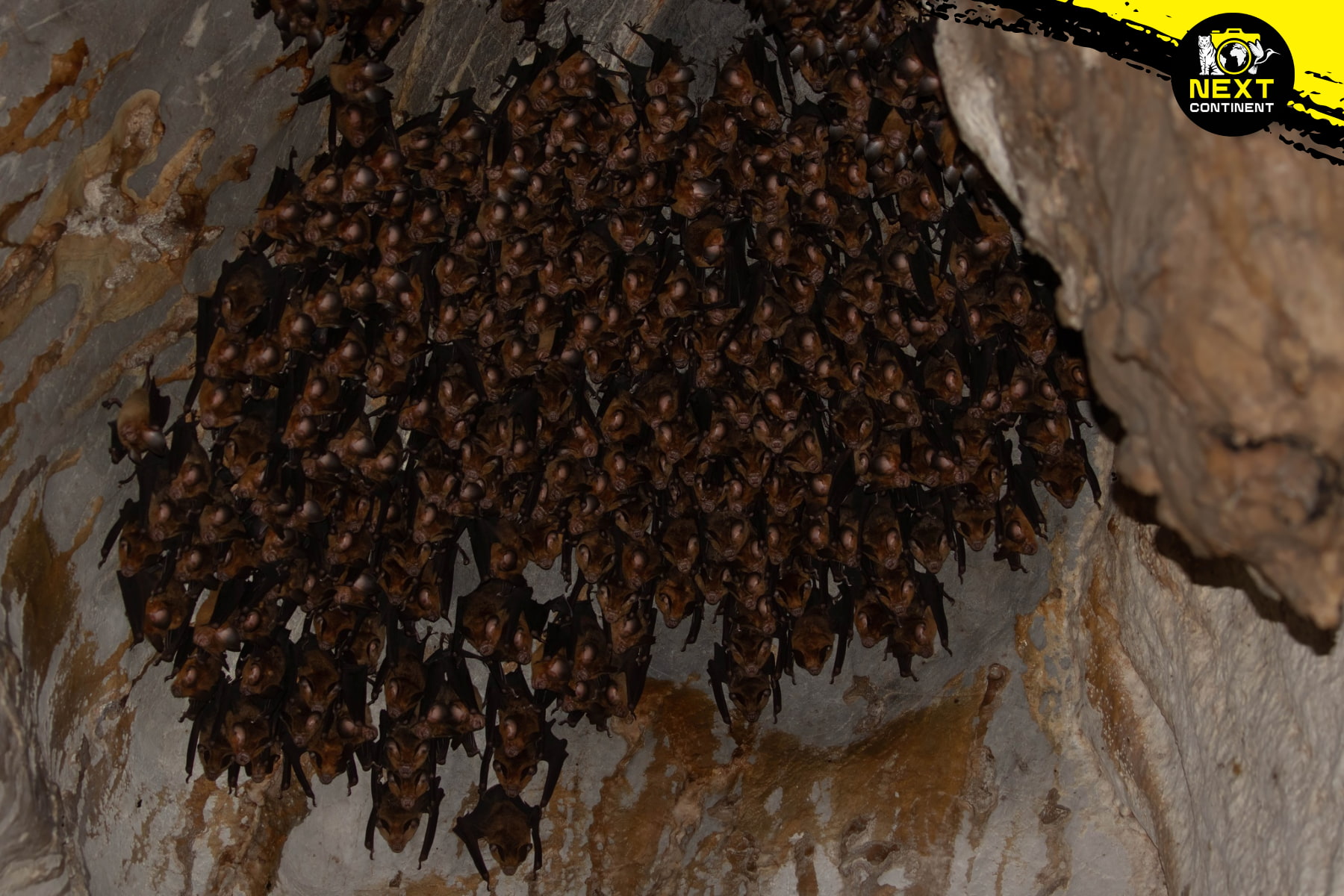
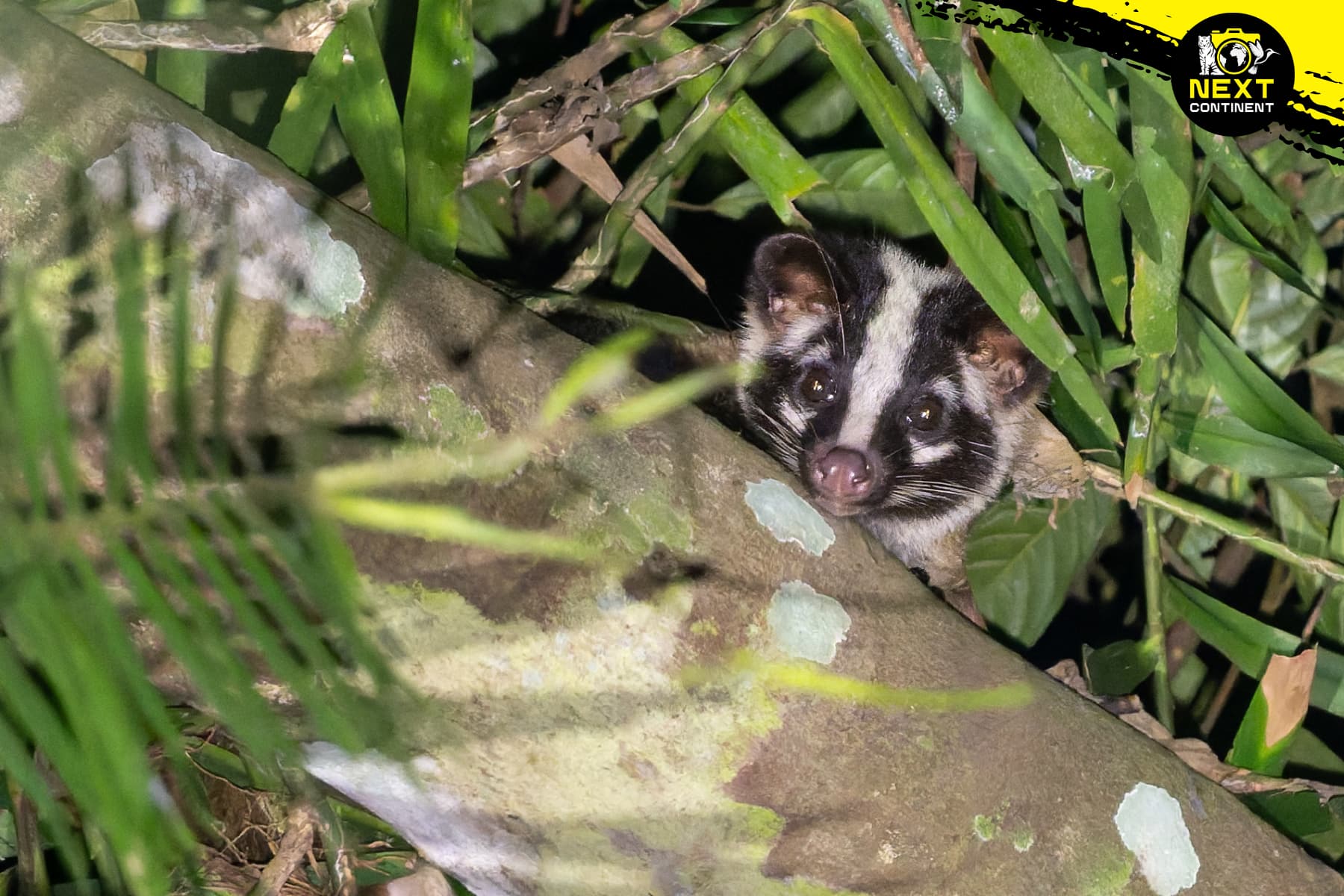
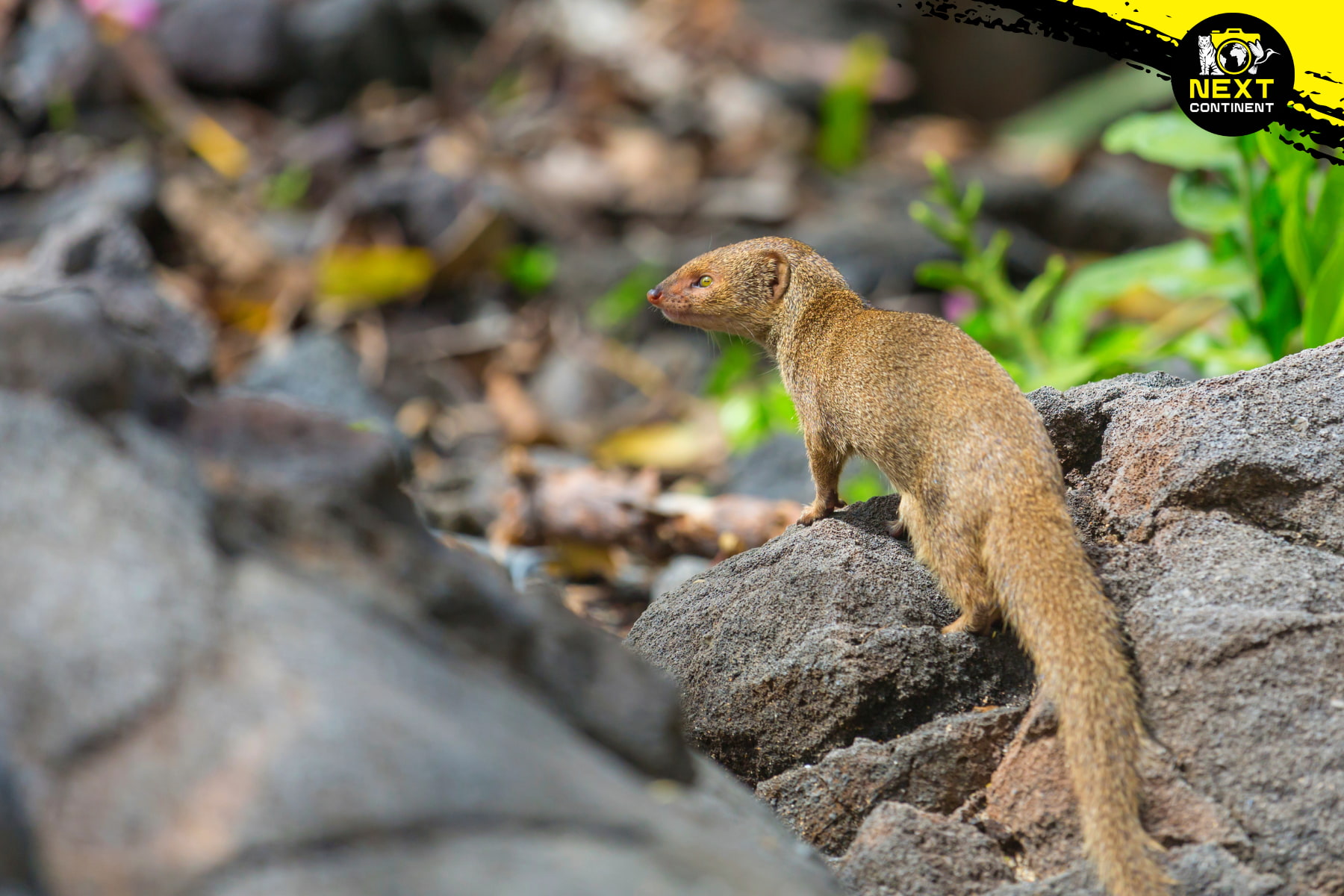
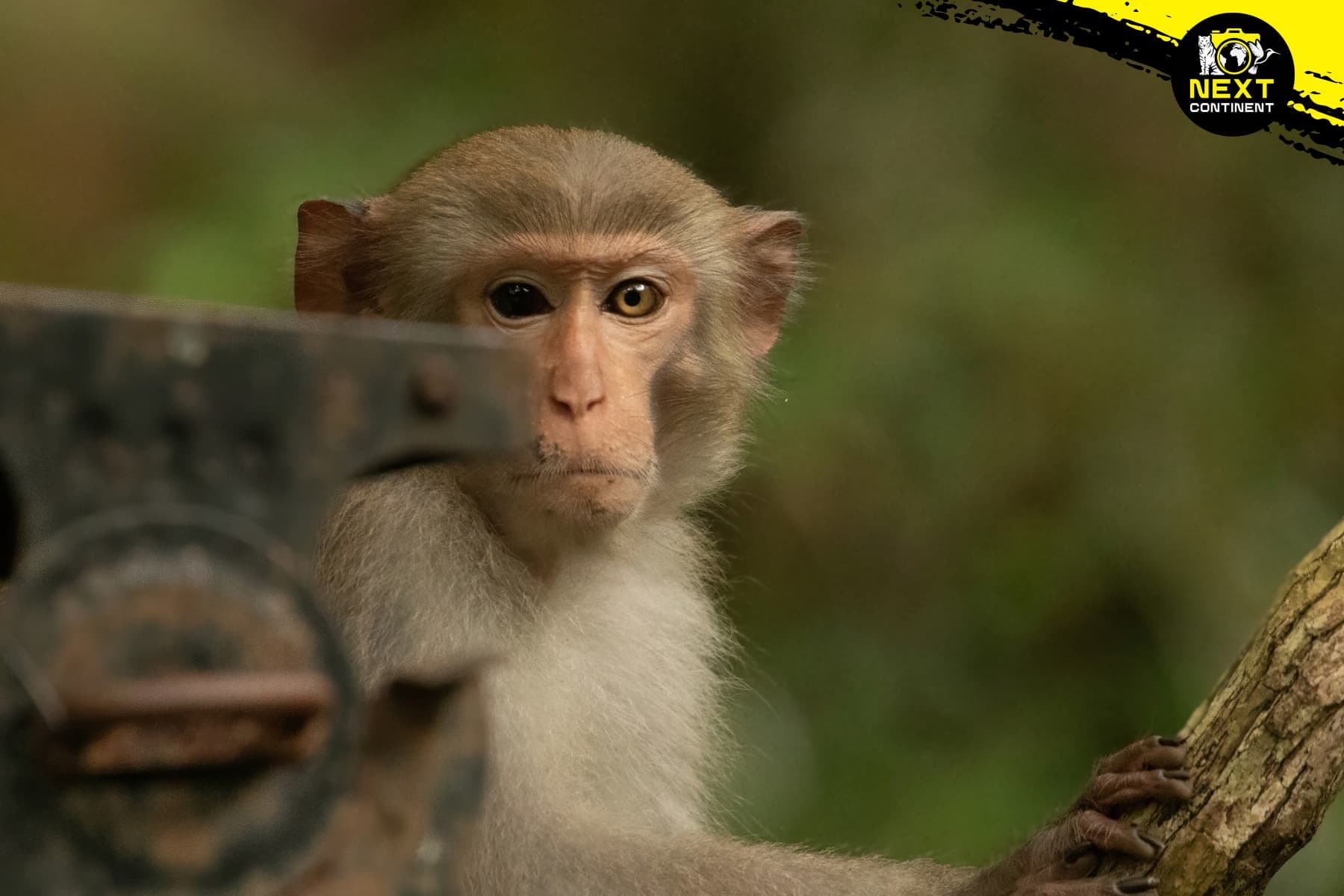
Join our annual group tour for our most comprehensive mammal-focused trip through Vietnam, a 2-week expedition from south to north in search of the country’s rarest, iconic and most elusive wildlife. Designed for dedicated mammal watchers, this group tour targets an exceptional range of species, from endangered and endemic primates, large mammals, squirrels to civets, pangolins, bats, and more. With expert guides, extensive spotlighting sessions, thermal scopes, and access to remote forests, conservation areas and several bat caves, this is Vietnam’s ultimate mammal and primate expedition.
Details
Summary:
— 16-Day / 15-Night Expedition (All-Inclusive)
— Small Group Tour: 3–6 Participants
— Led by 2x Professional Mammal & Wildlife Guides
— Targets 15+ Primates & 60+ Other Mammals
— Extensive Spotlighting & Thermal Scope Sessions
— Access to Private Sites, 5+ Bat Caves and Conservation Areas in collaboration Park Authorities
— Annual Departure with Limited Availability
— Pre & Post Tour Extensions Available
Tour Price: $4,425 USD per person
(£3,280 GBP / €3,800 EUR / $6,180 AUD)
Single Supplement: $585 USD
(£439 GBP / €506 EUR / $898 AUD)
Deposit: 30% of the total tour price is required to secure your booking.
Wild Vietnam: Rare Primates & Mammals 2-Week Expedition
Code: VNGR03 | Categories: Mammal Watching & Primate Tours | Locations: Vietnam

Summary:
Join us for our annual Wild Vietnam: Rare Primates & Mammals tour, a 16-Day / 15-Night specialist expedition and the most comprehensive mammal-focused journey across Vietnam. Designed specifically for serious mammal watchers, primate-lovers and wildlife photographers, this tour travels from the lowland evergreen forests of the south to the titanic karst peaks of the north, exploring some of the country’s richest and most biodiverse habitats in search of Vietnam’s rarest and most spectacular mammals.
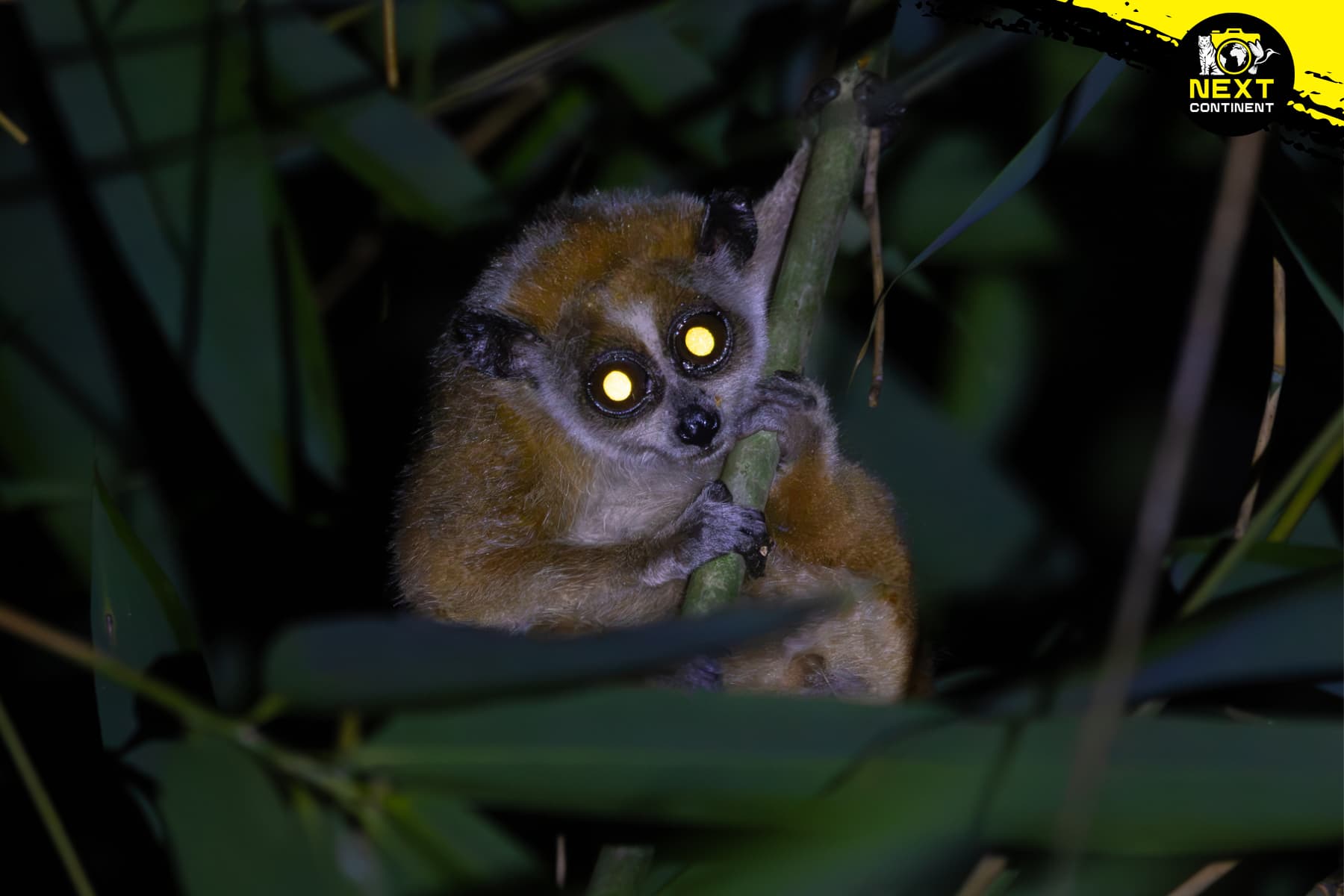
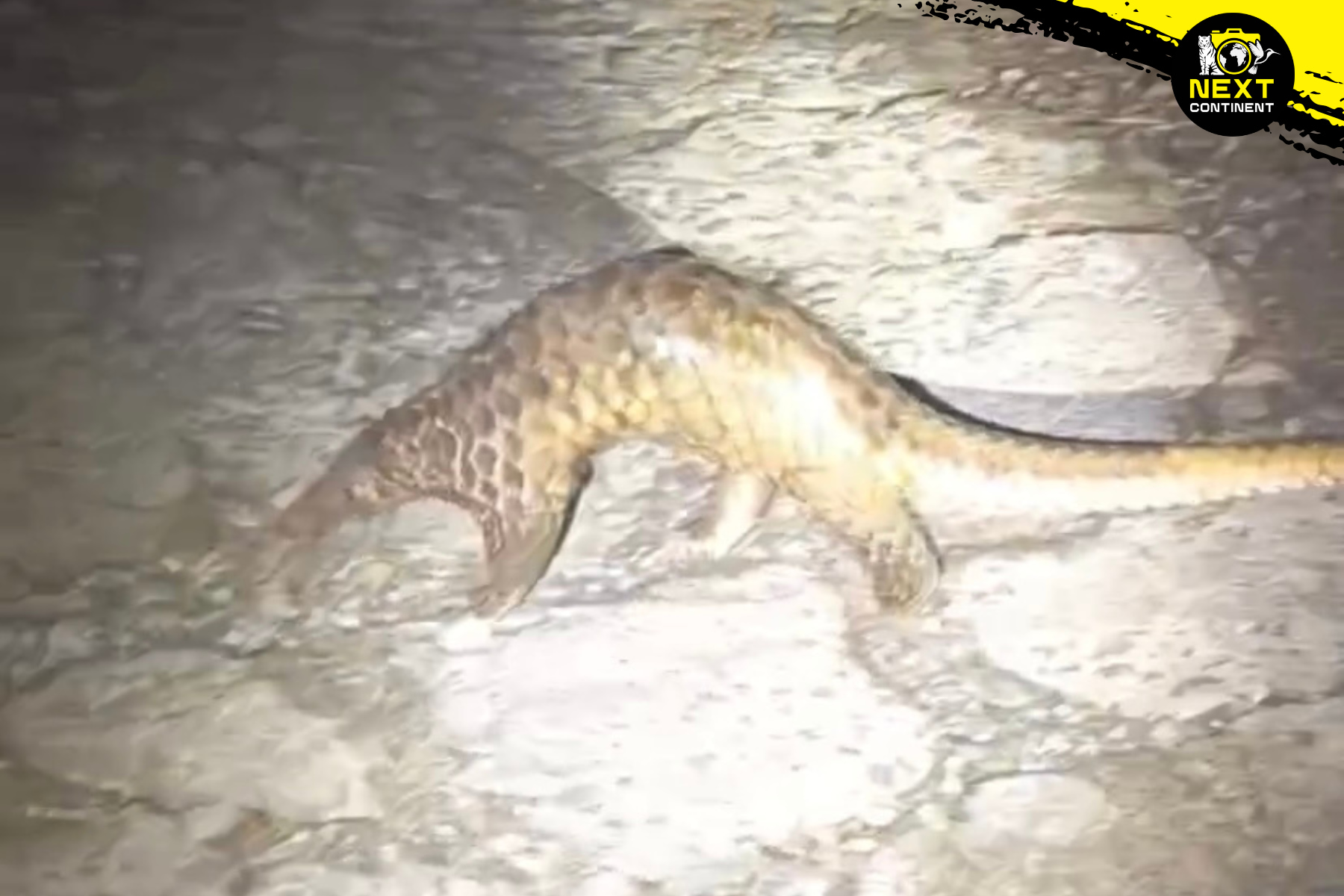
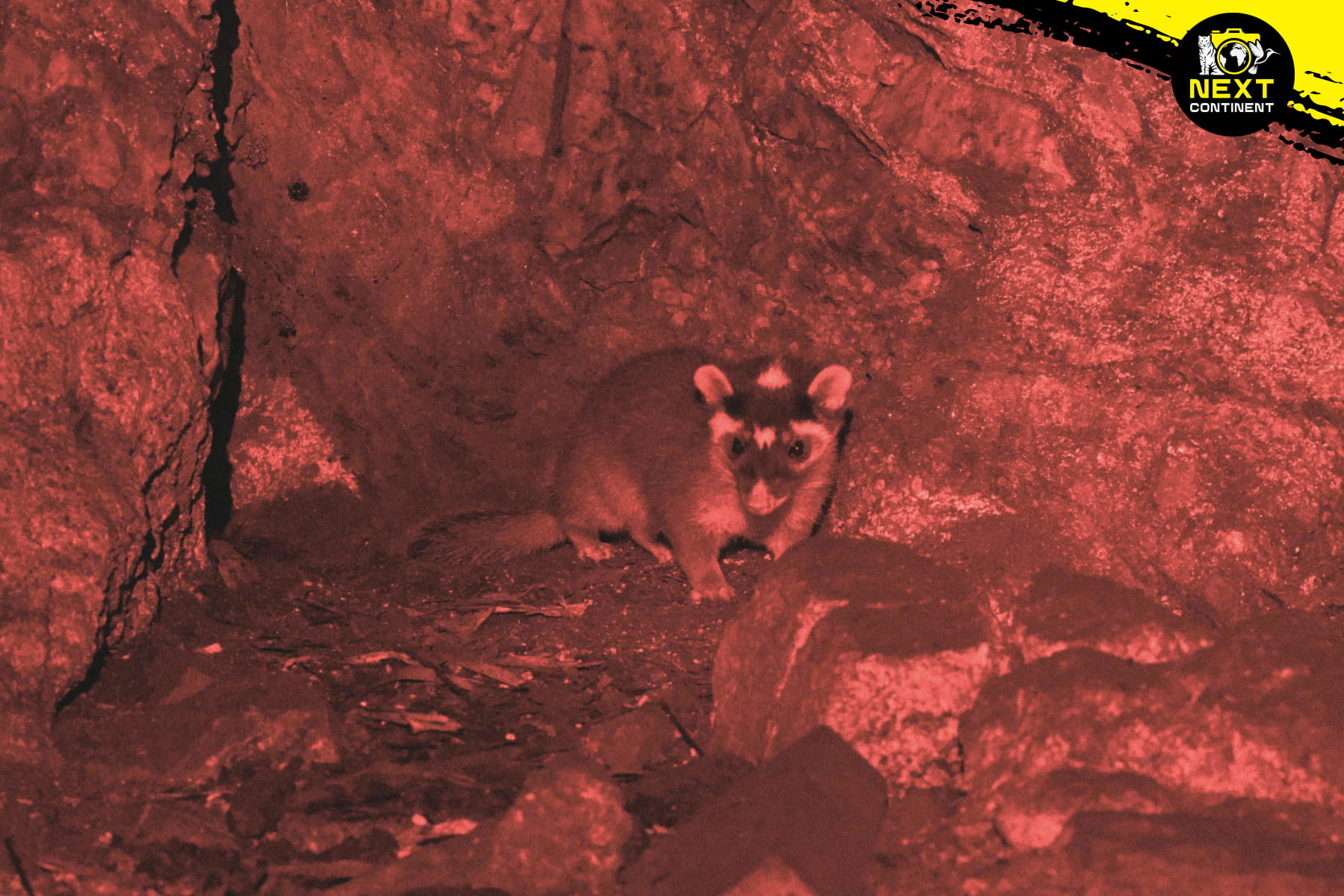
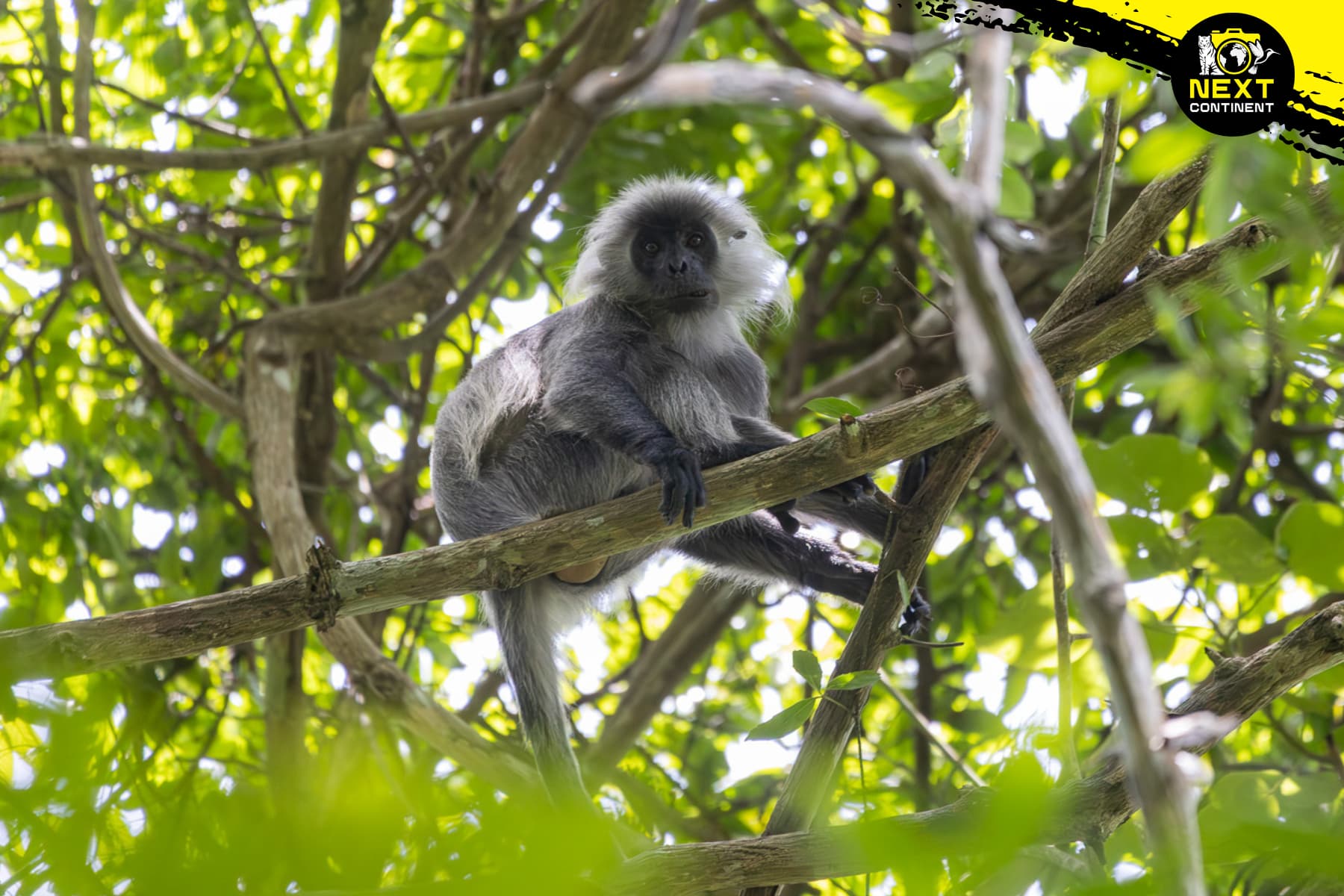
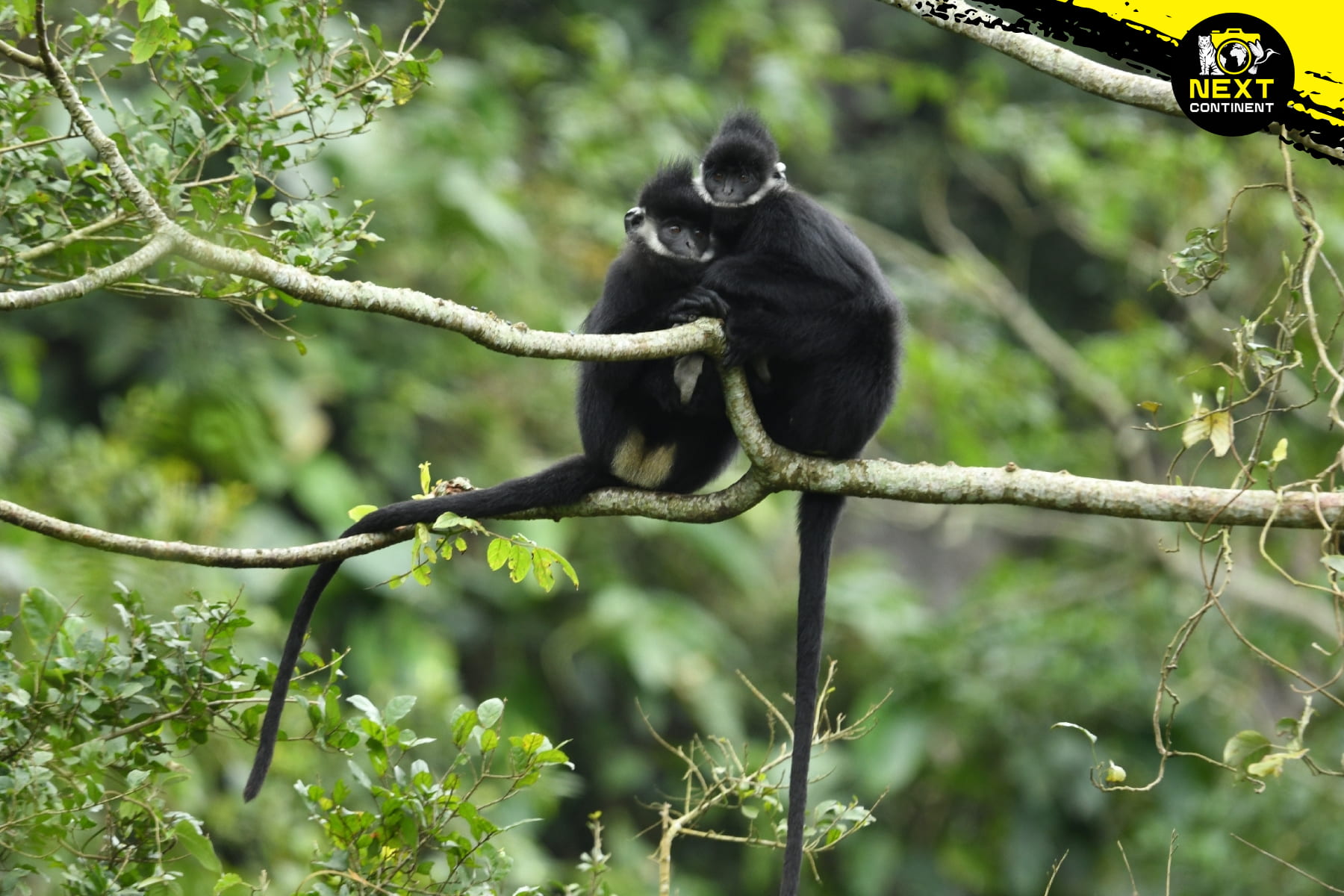
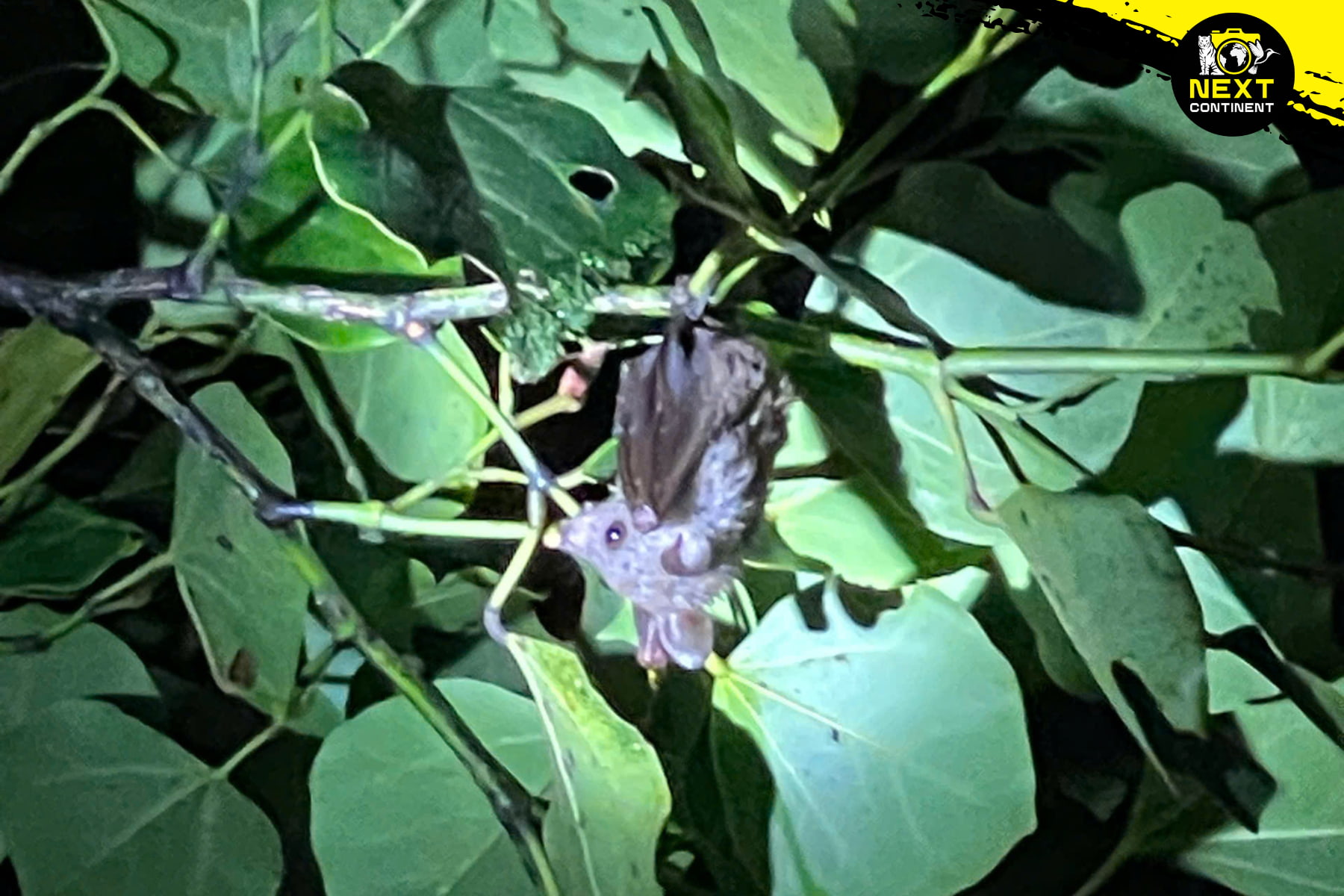
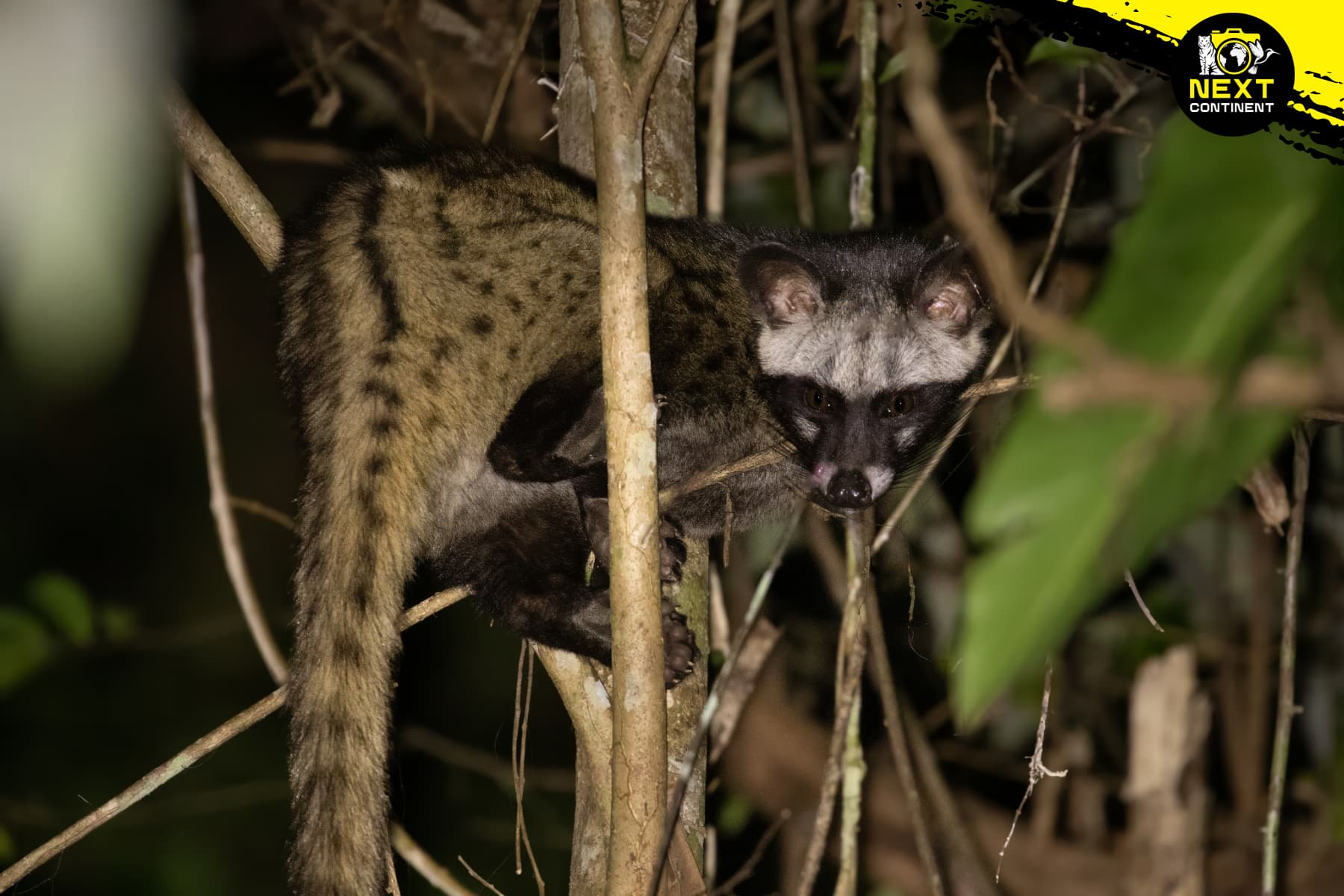
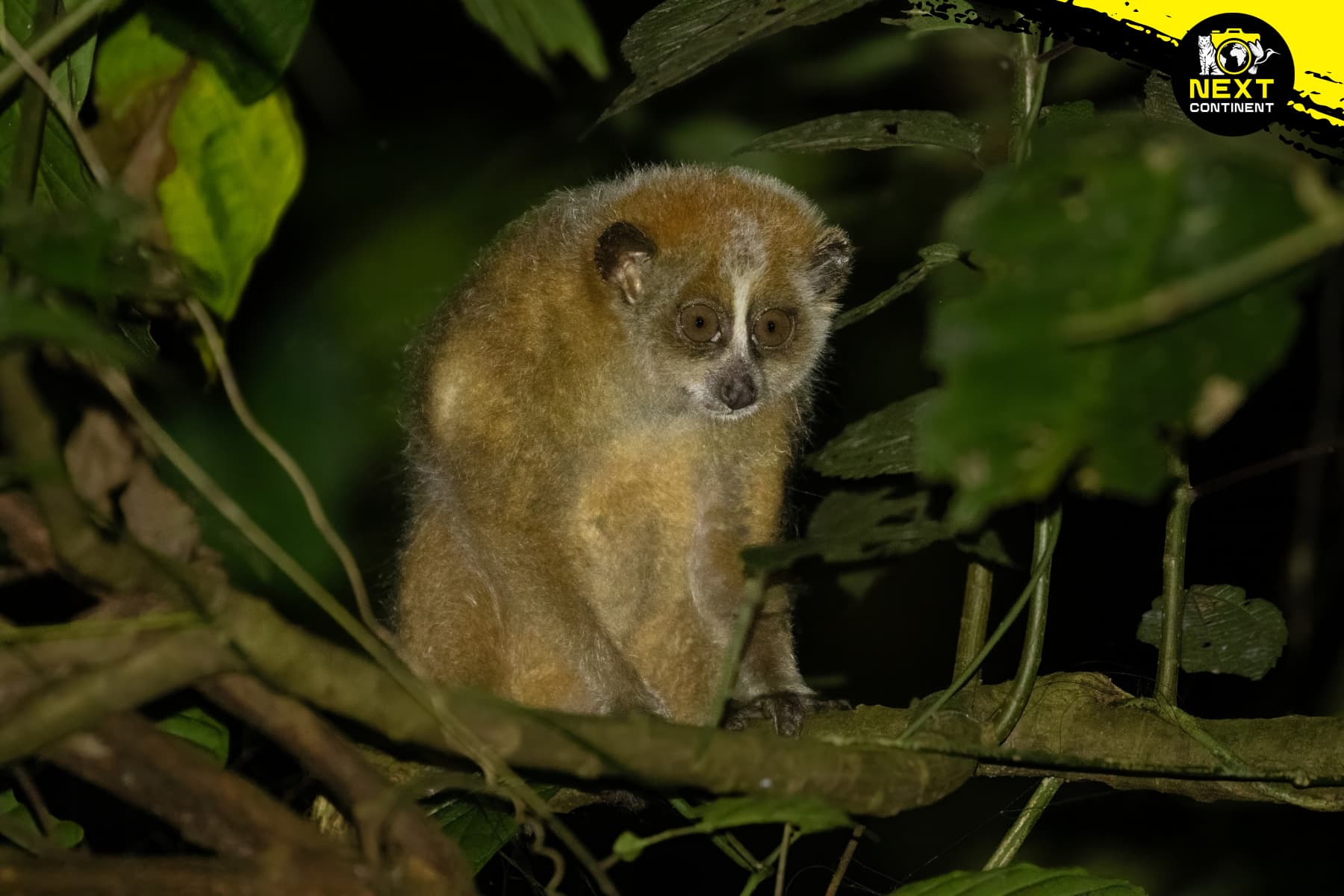
This is a group departure tour and is dedicated entirely to mammals, particularly Southeast Asia’s highly threatened primate species, with an itinerary that prioritises diversity, depth, and quality of encounter. Over the course of two weeks, we target more than 15 species of primate, as well as 60+ other mammals including civets, squirrels, pangolins, bats, and large ungulates. Species such as Northern Pygmy Slow Loris, Annamite Muntjac, Delacour’s Langur, Gaur, Hairy-footed Flying Squirrel, Sunda Pangolin, and all three Douc Langurs are among the tour’s core targets, alongside standout smaller mammals like Small-toothed Ferret Badger, Large Indian Civet, Yellow-throated Marten, Particoloured Flying Squirrel and Stoliczka’s Trident Bat.
What truly sets this expedition apart is the drive for maximum species encounters and diversity. We combine traditional tracking and expert fieldcraft with advanced detection techniques, including high-end thermal scopes, red-filtered spotlights, ultrasonic bat detectors, and small mammal opportunities (conducted in partnership with local rangers under conservation permits). While much of our mammal work occurs at night, daytime efforts are just as important particularly for primates, squirrels, and bat roost visits, among other key targets.
Another unique strength of this tour is our team and nationwide network. As a local operator with tours running across Vietnam year-round, our team receives live field updates from staff in different regions. What does this mean for you? If one of our guides spots a civet or flying squirrel feeding in a particularly good tree a week before your group arrives at Cúc Phương, we’ll already have the coordinates and conditions. This real-time, on-the-ground knowledge gives you access to far more than just your two expert guides, you’re backed by an entire local team working in the background to maximise sightings.
Access is another core strength of this tour. We’ve arranged comprehensive entry into key habitats through long-standing partnerships with local conservationists, park authorities, and NGOs. These relationships open doors to private and restricted areas critical for targeting Vietnam’s rarest species. Major hotspots include Cát Tiên National Park, Bạch Mã, Sơn Trà, Núi Thành, Phong Nha–Kẻ Bàng, Cúc Phương, and a range of incidental and lesser-known private sites along the route.
Accommodation throughout the expedition is comfortable but varied and includes national park lodges, eco-accredited hotels, and homestays. Some meals are included (see full itinerary for specifics), and the entire tour is fully vehicle-supported for ease and flexibility. While mammals are the core focus, the tour also features a high variety of spectacular Vietnamese bird and herp life, alongside striking karst and limestone landscapes and insights in local culture and regional conservation efforts.
Strictly limited to 3–6 participants and led by two principal mammal and wildlife specialists, this annual group expedition offers extensive field time, broad species coverage, rare site access, and a support network unmatched by any other mammal tour in Vietnam. Quite simply, it’s the country’s most complete and serious mammal-watching experience.
Itinerary
Day 0: Arrive in HCMC
Arrive in Ho Chi Minh City and transfer to our hotel, where we have arranged your accommodation. In the afternoon, the group will meet for the first time before taking a short walk to one of the city’s urban parks. Here we’ll search for a variety of easily observed mammals, including Indochinese Ground Squirrel, Cambodian Striped Squirrel, Pallas’s Squirrel, Greater Short-nosed Fruit Bat, Javan Pipistrelle and Oriental House Rat, a great way to begin the tour list! Afterwards we’ll enjoy a welcome dinner together, a chance to meet your guides and fellow mammal watchers, go over some tour plans, and build the excitement for the days ahead. This first welcome dinner is on us. If you need assistance with your airport transfer, just let us know, we’ll be happy to help arrange it.
Day 1: HCMC / Can Gio / Nui Dinh
With an early start, we’ll visit a few local spots in the city picking up Finlayson’s Squirrel and Black-bearded Tomb Bat before travelling south and taking a ferry to Can Gio, an expansive area of old growth mangrove, wetlands and coastal mudflats. Here, we’ll visit Vam Sat, taking small boats through the mangroves to visit a colony of Large Flying Fox. We may also pick up our first Common Long-tailed Macaque and Northern Pig-tailed Macaque of the trip. After lunch, we’ll take the ferry eastwards and transfer to Vung Tau where we’ll check into our accommodation. This spot is famous for having a number of Lesser Short-nosed Fruit Bat, hopefully completely our set. Following an early dinner, we’ll visit the forests of Nui Dinh, for one of our big targets of the trip, Southern Pygmy Slow Loris. Other key species here include Lesser Oriental Chevrotain, Southern Palm Civet and a variety of forest bats.
Day 2–4: Cat Tien National Park
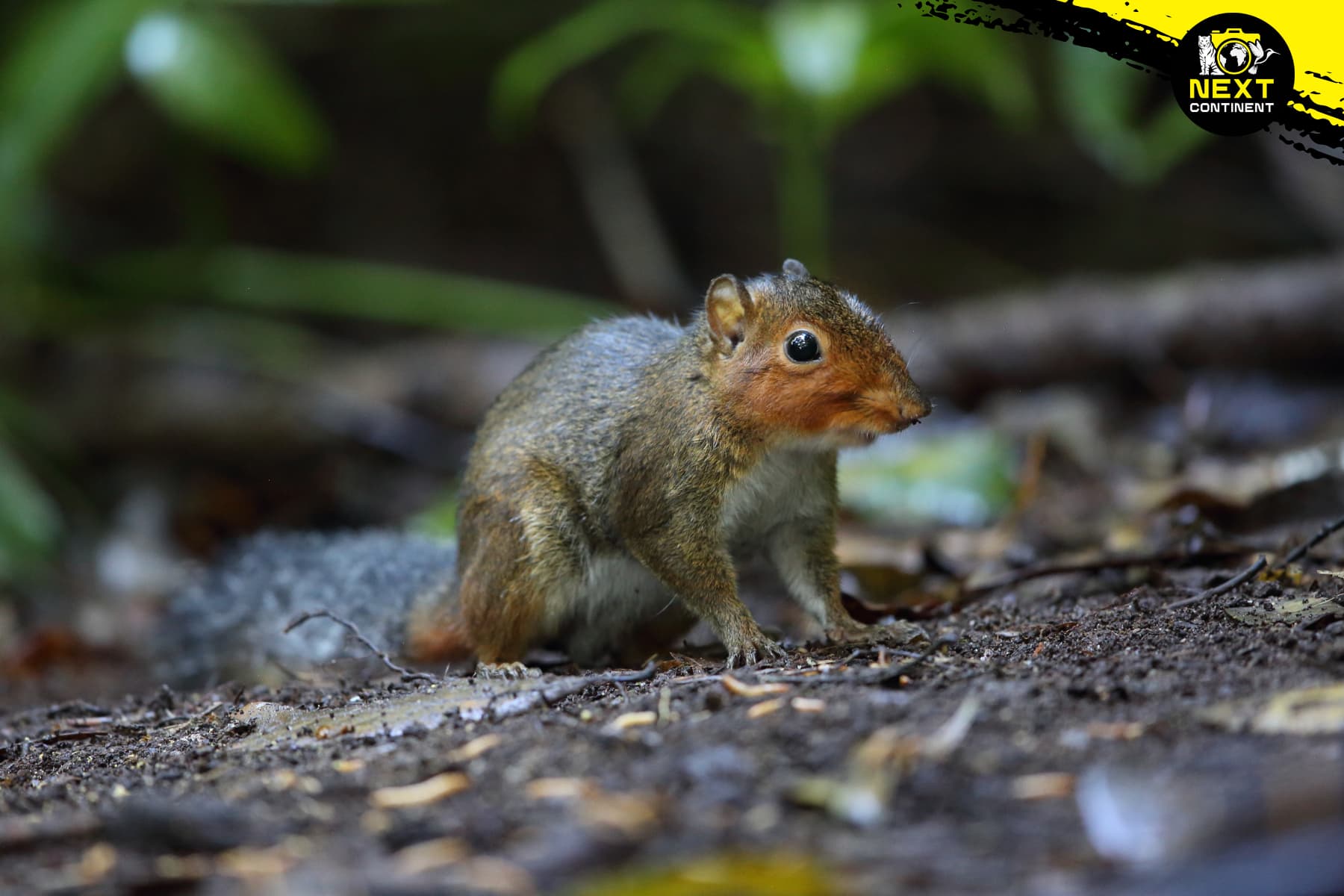
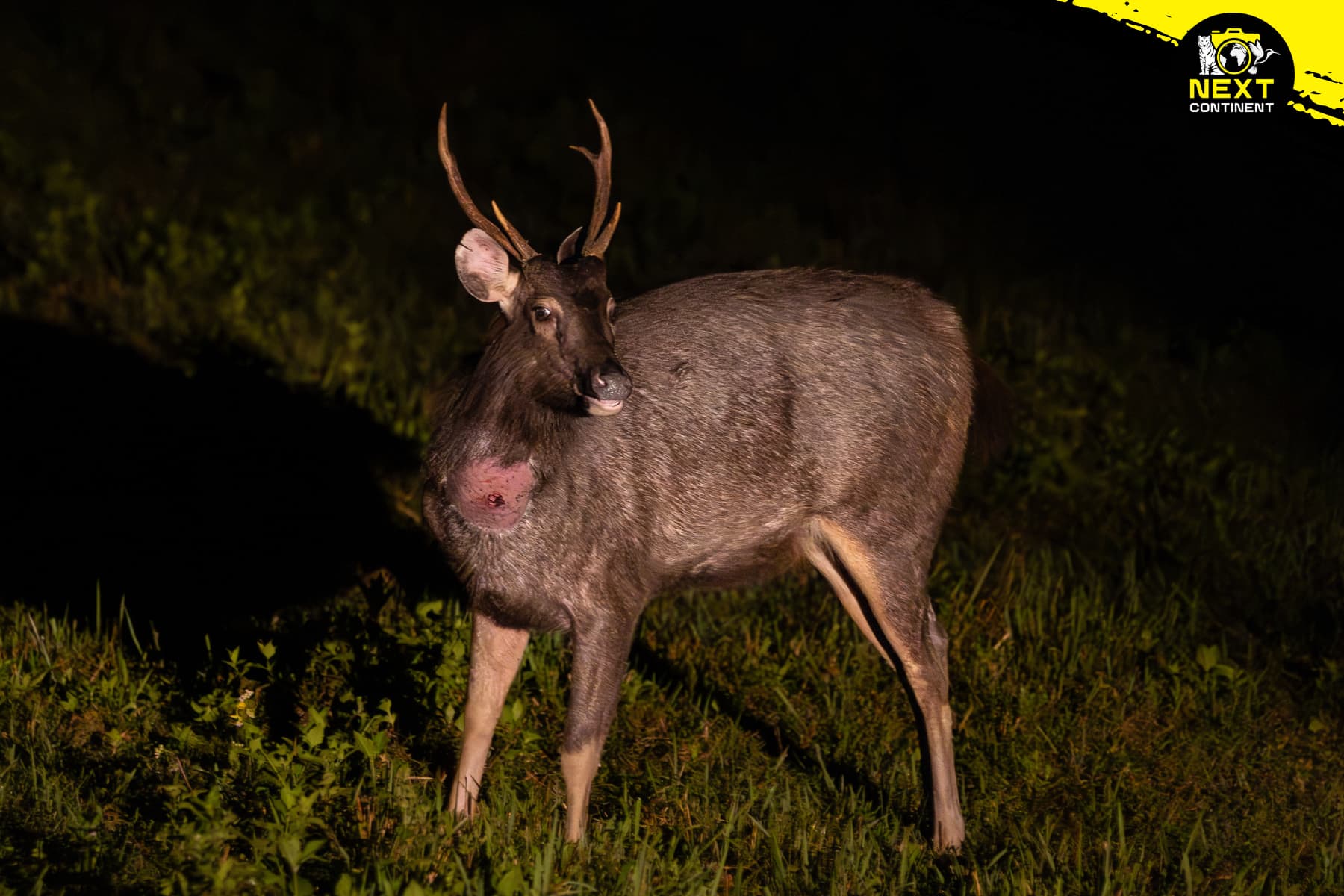
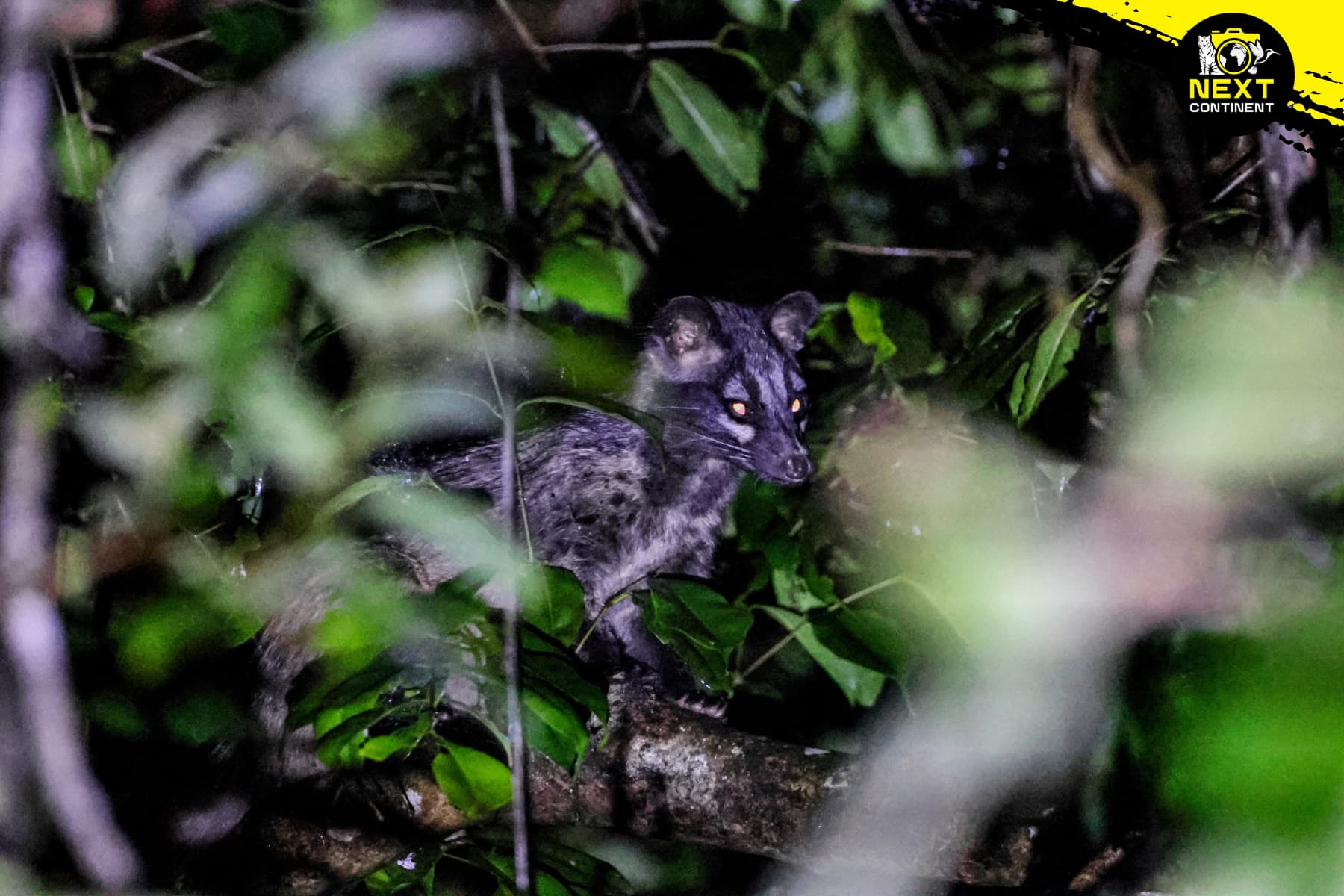
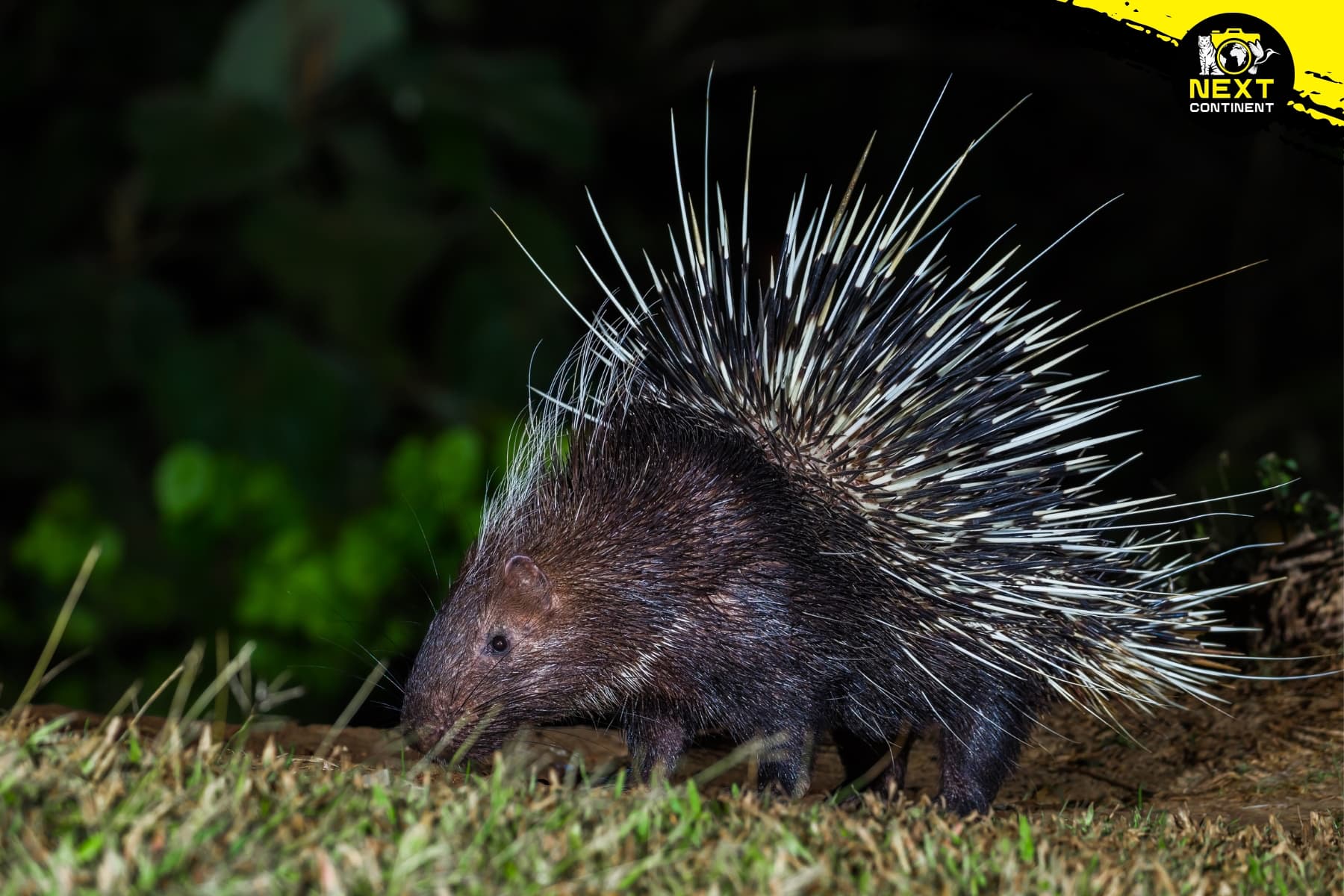
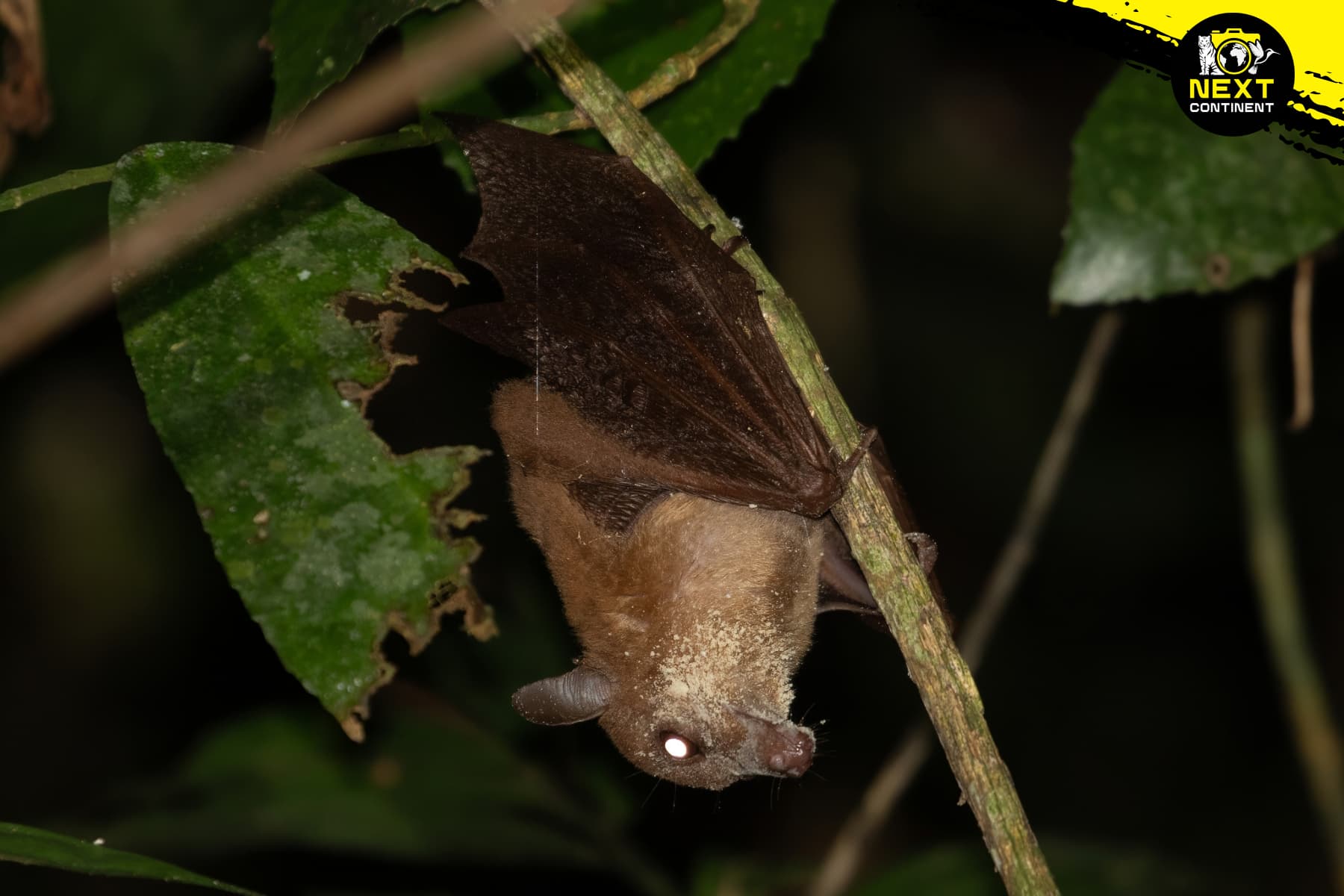
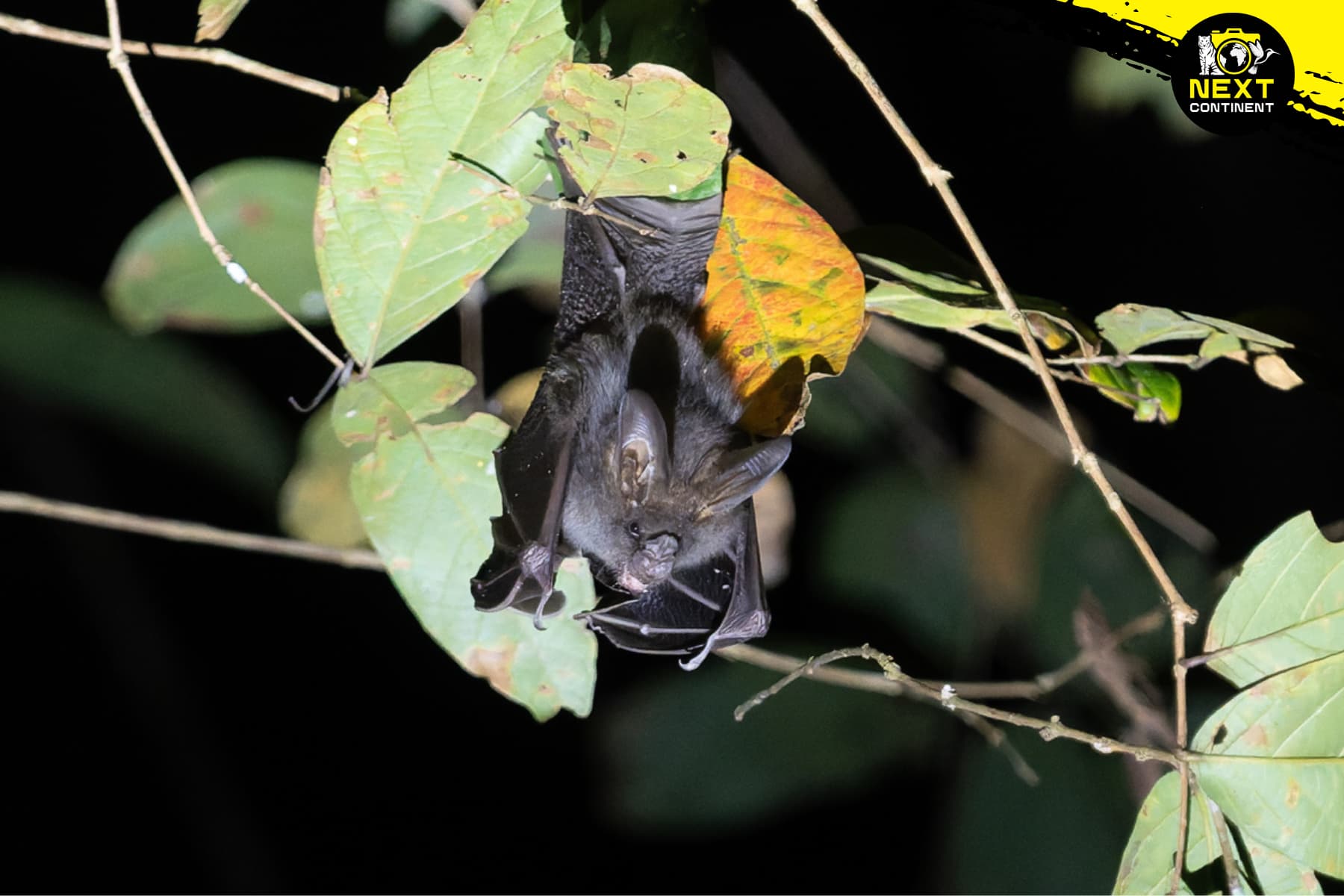
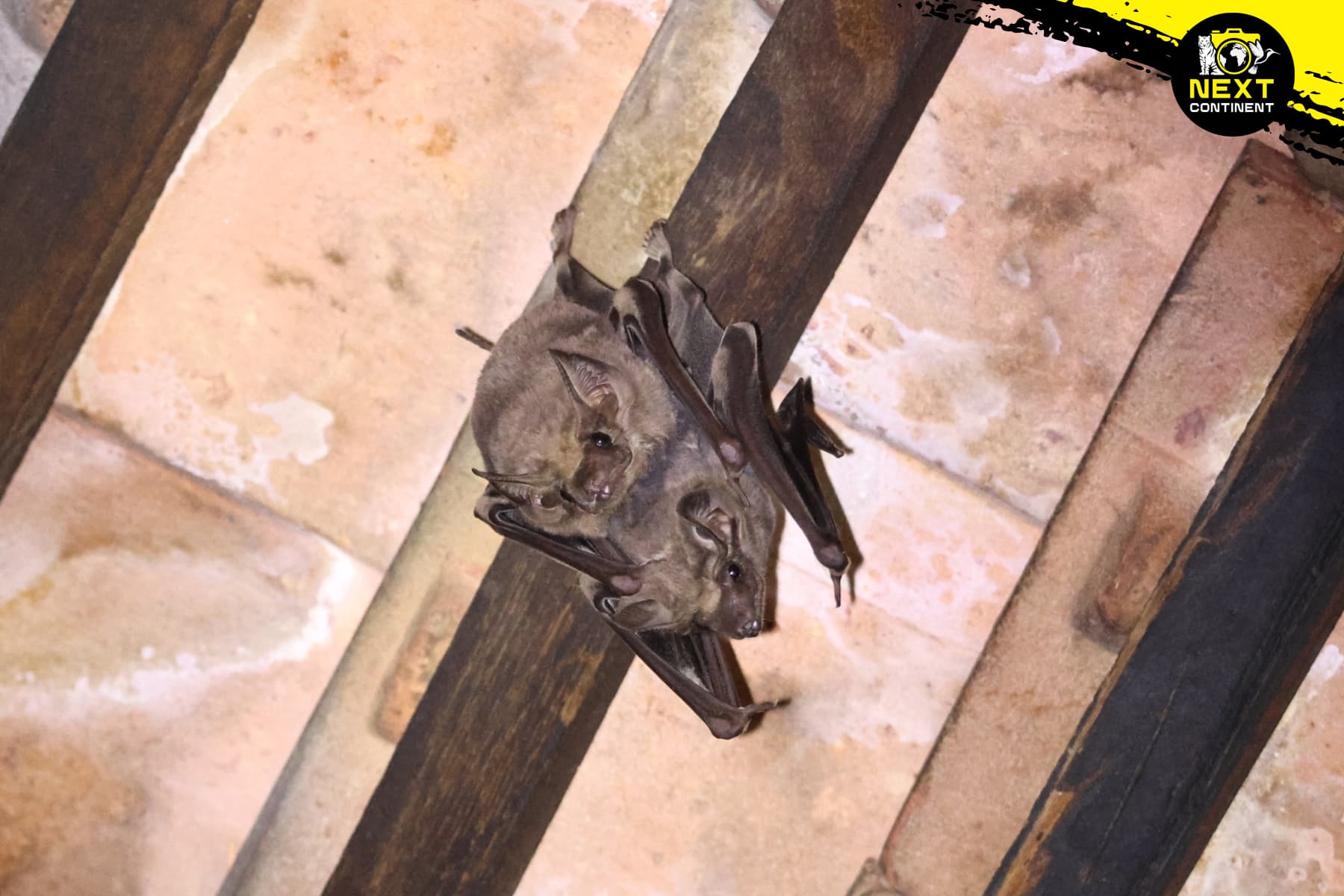
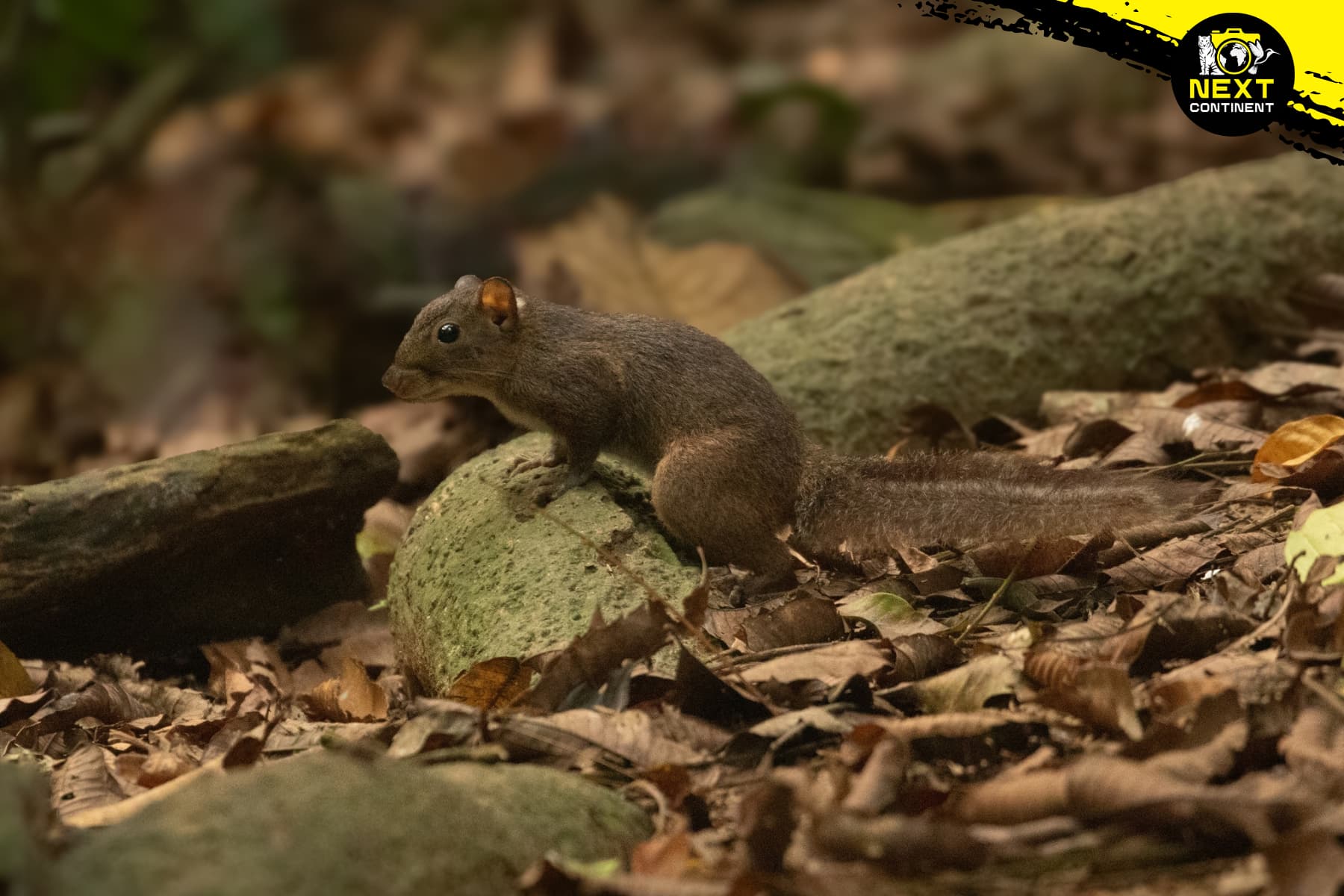
We’ll depart Vung Tau early and make the roughly three-hour journey to Cat Tien National Park, Vietnam’s premier national park and one of the most rewarding wildlife watching destinations in Indochina. Upon arrival, your guides will arrange park entry, and we’ll cross the river by ferry into the park. After checking into our accommodation, we’ll jump straight into exploring the incredible wildlife viewing opportunities this park offers. We’ll spend nearly four full days and three nights here, with extensive spotlighting sessions each evening. During our time in the park, we’ll focus on key target species not seen elsewhere on the tour, working systematically through the park’s diverse habitats. Highlights include 6x species of primate, Southern Yellow-cheeked Gibbon, Black-shanked Douc Langur, Annamese Langur, Common Long-tailed Macaque, Northern Pig-tailed Macaque and Southern Pygmy Slow Loris. Other species include Northern Treeshrew, Northern Smooth-tailed Treeshrew, Gaur, Northern Red Muntjac, Lesser Oriental Chevrotain, Sambar, Black Giant Squirrel, Common Giant Flying Squirrel, East Asian Porcupine, Indomalayan Long-tailed Giant Rat, Small-toothed Palm Civet, Small Indian Civet, Large-toothed Ferret Badger, Javan Mongoose, Yellow-throated Marten, Mainland Leopard Cat, Sunda Pangolin, Burmese Hare and potentially evenAsian Elephant. Bat diversity is also excellent, with regular visual encounters with Grand Roundleaf Bat, Woolly Horseshoe Bat, Indochinese Horseshoe Bat, Greater False Vampire Bat, Lesser False Vampire Bat and Thick-thumbed Myotis, to name just a few of our regular targets. Over a typical four-day stay, we often encounter 30~ species, making this an essential starting point for the tour. Our daily routine usually includes early morning fieldwork, a midday break and siesta, afternoon sessions targeting crepuscular species, followed by dinner and dedicated spotlighting into the night. During the daytime, we’ll also visit several known bat roost sites, a bat cave and explore a range of habitats for additional wildlife encounters. One of our stops will include a bird hide frequented by forest squirrels and treeshrews, often drawn in by the free feed, offering excellent photographic opportunities and close-up views of these otherwise elusive species.
Day 5: Cat Tien > Ho Chi Minh City > Da Nang > Tam Ky
We’ll spend our final morning in Cat Tien making the most of any last wildlife opportunities before travelling back to Ho Chi Minh City for our flight north to Da Nang, in Central Vietnam. Upon arrival, we’ll be collected and transferred south to our accommodation near Tam Ky, ready for an early start the following day. En route, we’ll make a stop in Hoi An for dinner and visit a local spot for Greater Bandicoot Rat, both Japanese and Javan Pipistrelle and Asian House Shrew (if we’re lucky!).
Day 6: Nui Thanh
Today is dedicated to one of Vietnam’s most iconic and critically endangered primates, the Grey-shanked Douc Langur. We’ll depart before dawn for Nui Thanh, where we’ll spend the morning working alongside the local conservation team and the NGO GreenViet to observe and learn about this striking species in its natural habitat. We typically spend the full morning in the field before having lunch and then making our way back, arriving in Da Nang by early evening. Alongside this critically endangered species, we may pick up our first Maritime Striped Squirrel for the trip and more Northern Pig-tailed Macaque. This is one of the few scheduled “nights off” during the tour, giving you a chance to rest and perhaps see a little bit of one of Vietnam’s most famous cities.
Day 7-8: Son Tra Nature Reserve > Bach Ma National Park
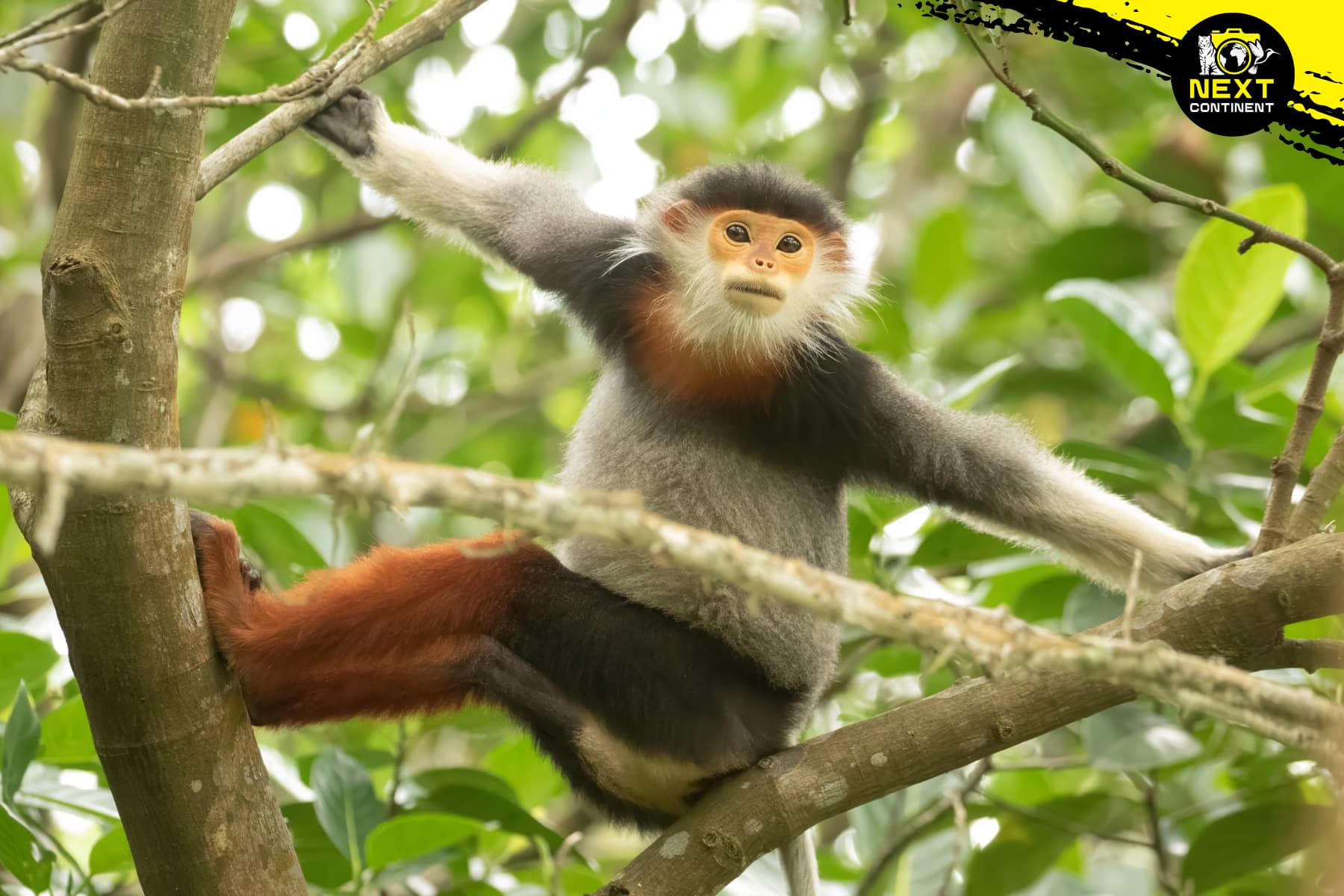
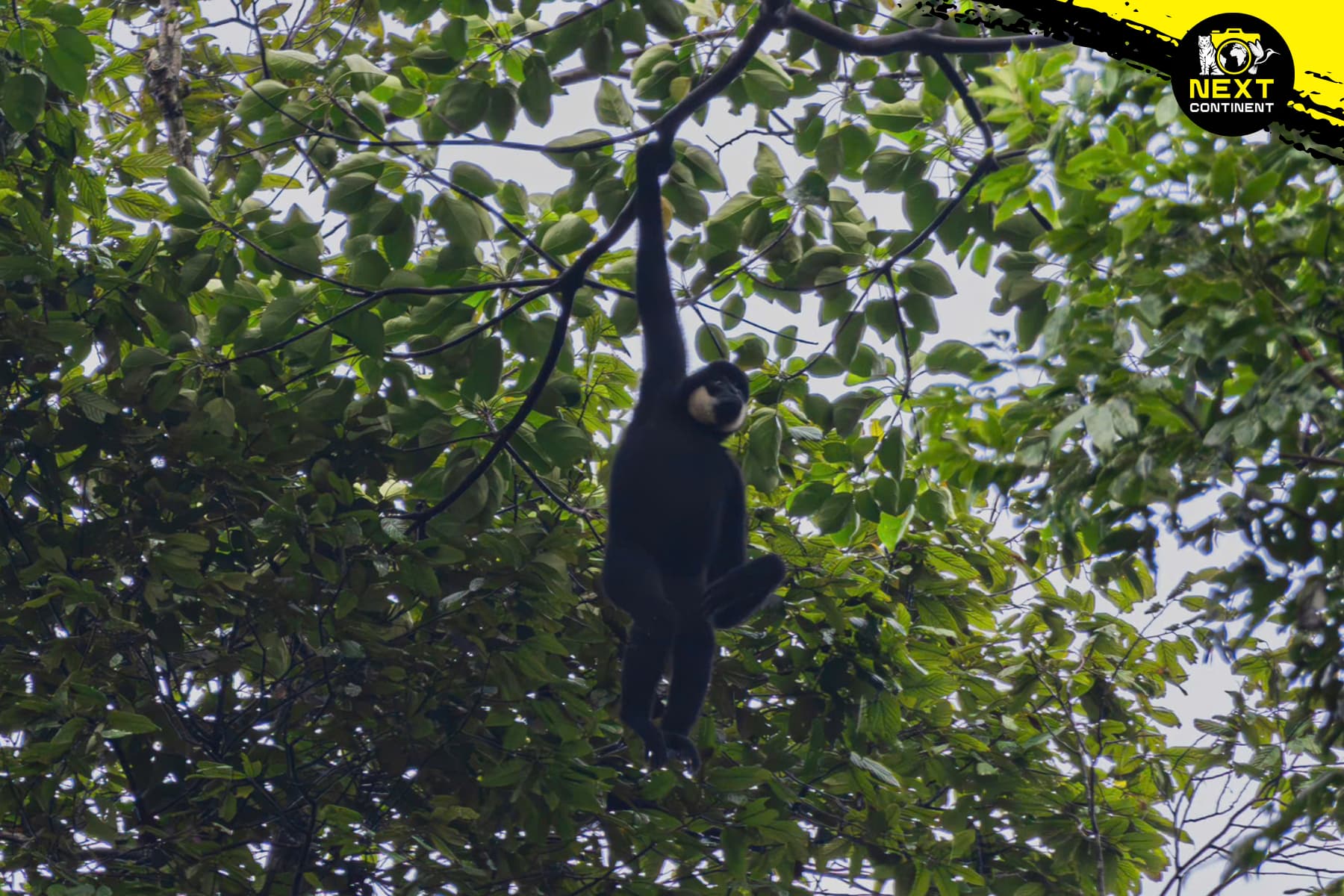
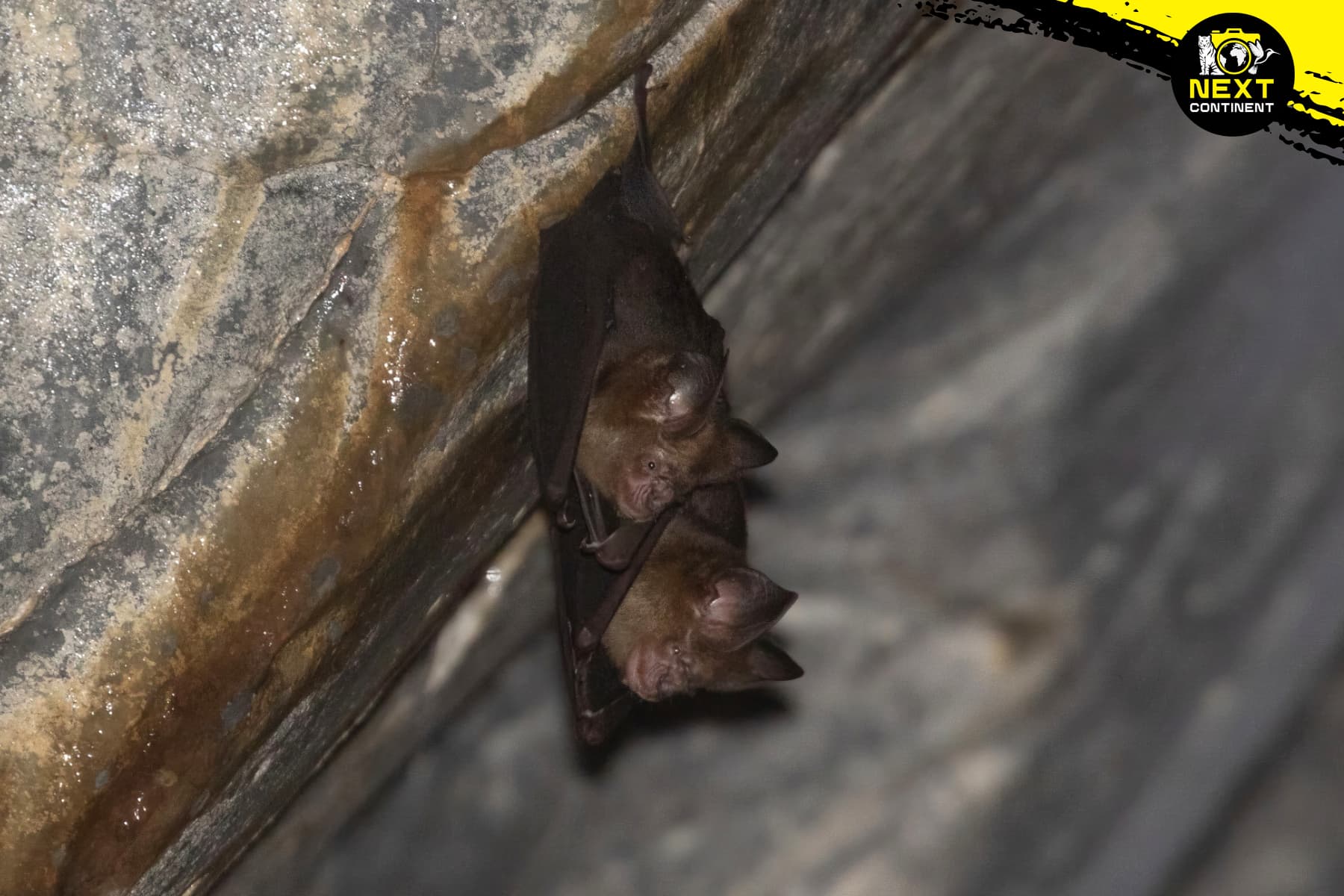
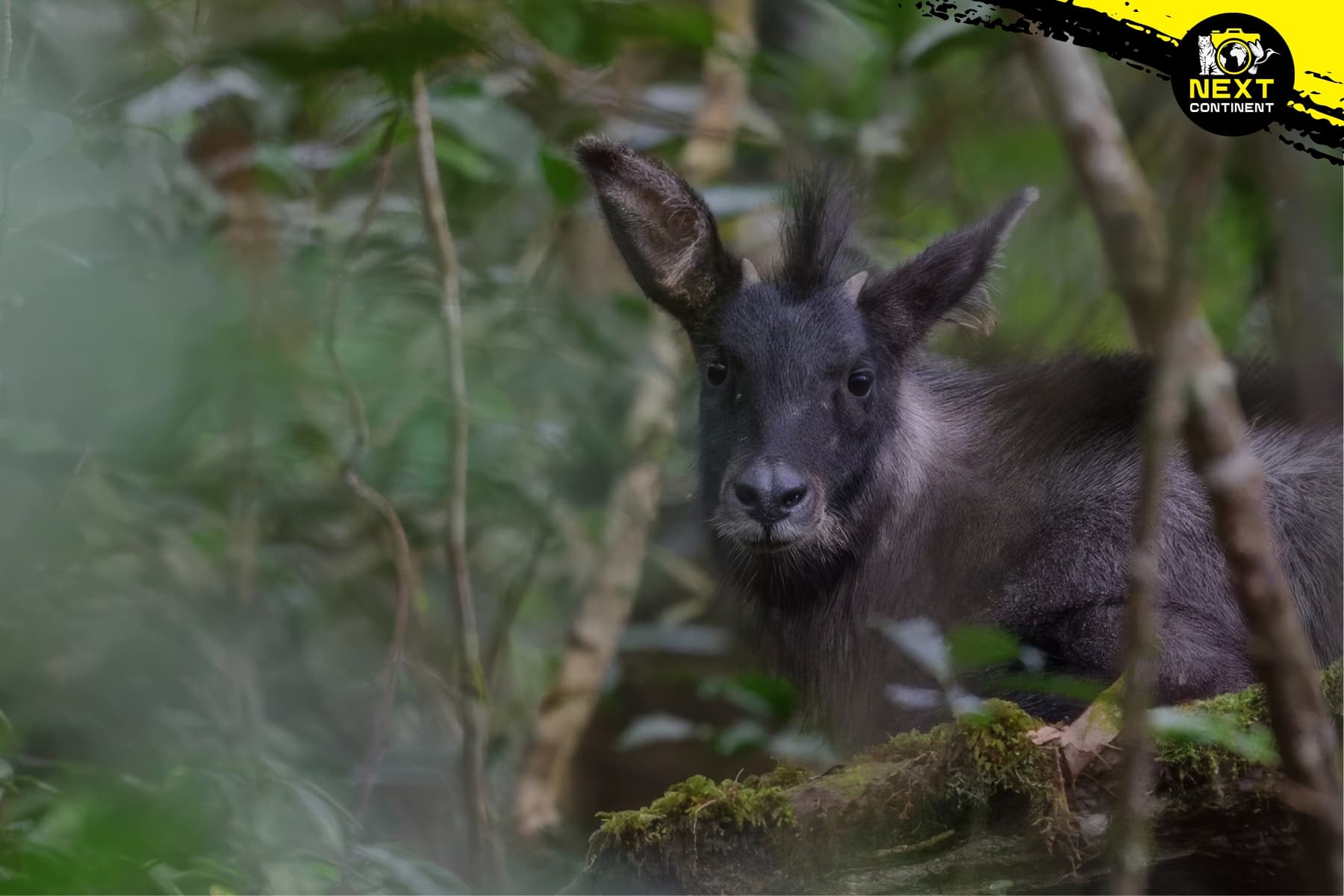
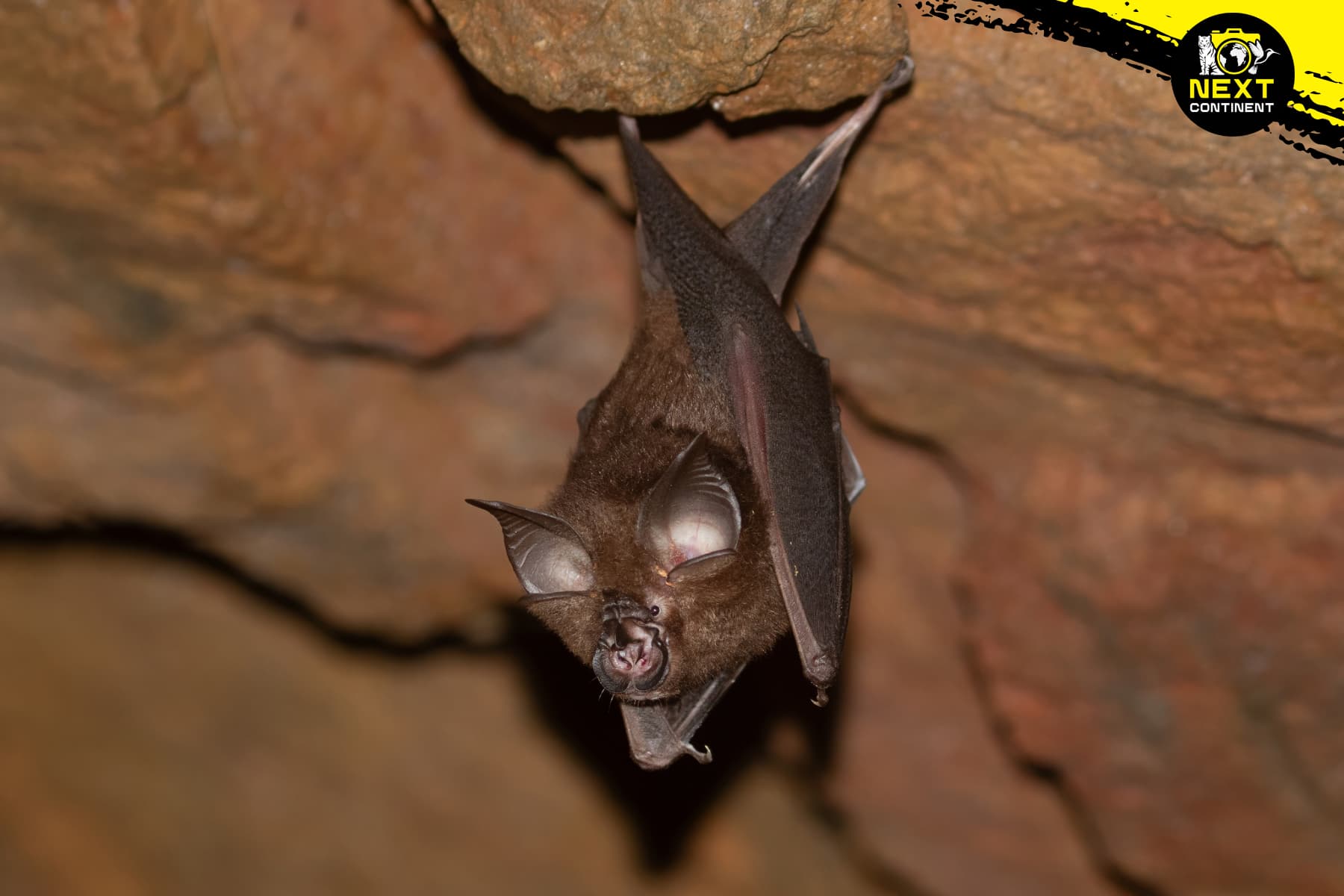
We’ll begin the day at dawn with an exploration of Son Tra Nature Reserve, possibly Vietnam’s most iconic wildlife-watching destination outside of Cat Tien. This world-renowned hotspot is home to one of the planet’s most visually striking primates, the Red-shanked Douc Langur, often referred to as the Queen of the Primates. With the help of our team, we typically encounter as many as a dozen or so family troops in a single morning, offering exceptional opportunities for both viewing and photography. Other species we may encounter include Javan Mongoose, Rhesus Macaque, and Maritime Striped Squirrel. After lunch, we’ll transfer to Bach Ma National Park, where we’ll spend the next two nights in French-era villas located near the summit of the Annamite Mountains, a truly breathtaking setting and often a highlight location on this trip. We have 2 days and 2 nights in the park, giving us plenty of time to target some of the trip’s major highlights, including Northern Yellow-cheeked Gibbon, Stump-tailed Macaque, (more Red-shanked Douc Langur!), Annamite Muntjac, Small-toothed Ferret Badger, Northern Palm Civet, Small-toothed Palm Civet, Yellow-throated Marten, Black Giant Squirrel, Asian Red-cheeked Squirrel, Inornate Squirrel, Indomalayan Niviventer, Pencil-tailed Tree Mouse, Brush-tailed Porcupine, Ratanaworabhan’s Fruit Bat and Northern Woolly Horseshoe Bat. Other mega-rarities here include Large-antlered Muntjac and Indochinese Serow, though we only rarely record these species. During the day, we’ll also visit a network of war mines that have become home to a variety of bat colonies, including Intermediate Horseshoe Bat, Pearson’s Horseshoe Bat, Lesser False Vampire Bat and Ha Long Roundleaf Bat.
Day 9: Bach Ma > Phong Nha-Ke Bang
This morning marks our final opportunity in Bach Ma. If we’re still missing Northern Yellow-cheeked Gibbon (or any other diurnal targets), we’ll be up early to check the known locations. If need be, we’ll split our two guides between the southern site and upper colonies, staying in touch by walkie-talkie, a method that’s worked well on past tours. After breakfast, we’ll descend from the highlands and begin our transfer north to Phong Nha-Ke Bang National Park. Today is primarily a travel and rest day, offering guests a welcome chance to relax and recharge before the final leg of our journey. Once we’ve checked into accommodation and had a rest, we’ll take explore the national park on dusk, trying to pick up some of the macaque species that typically move around on dusk, including Stump-tailed and Assam Macaque. At sunset, we’ll visit some of the caves where thousands Leschenault’s Rousette (amongst many other species) exit for the night. After the bats, we’ll return to accommodation for dinner, then offering a short walk amongst the farmland for Ricefield Rat and Ricefield Mouse.
Days 10: Phong Nha-Ke Bang National Park
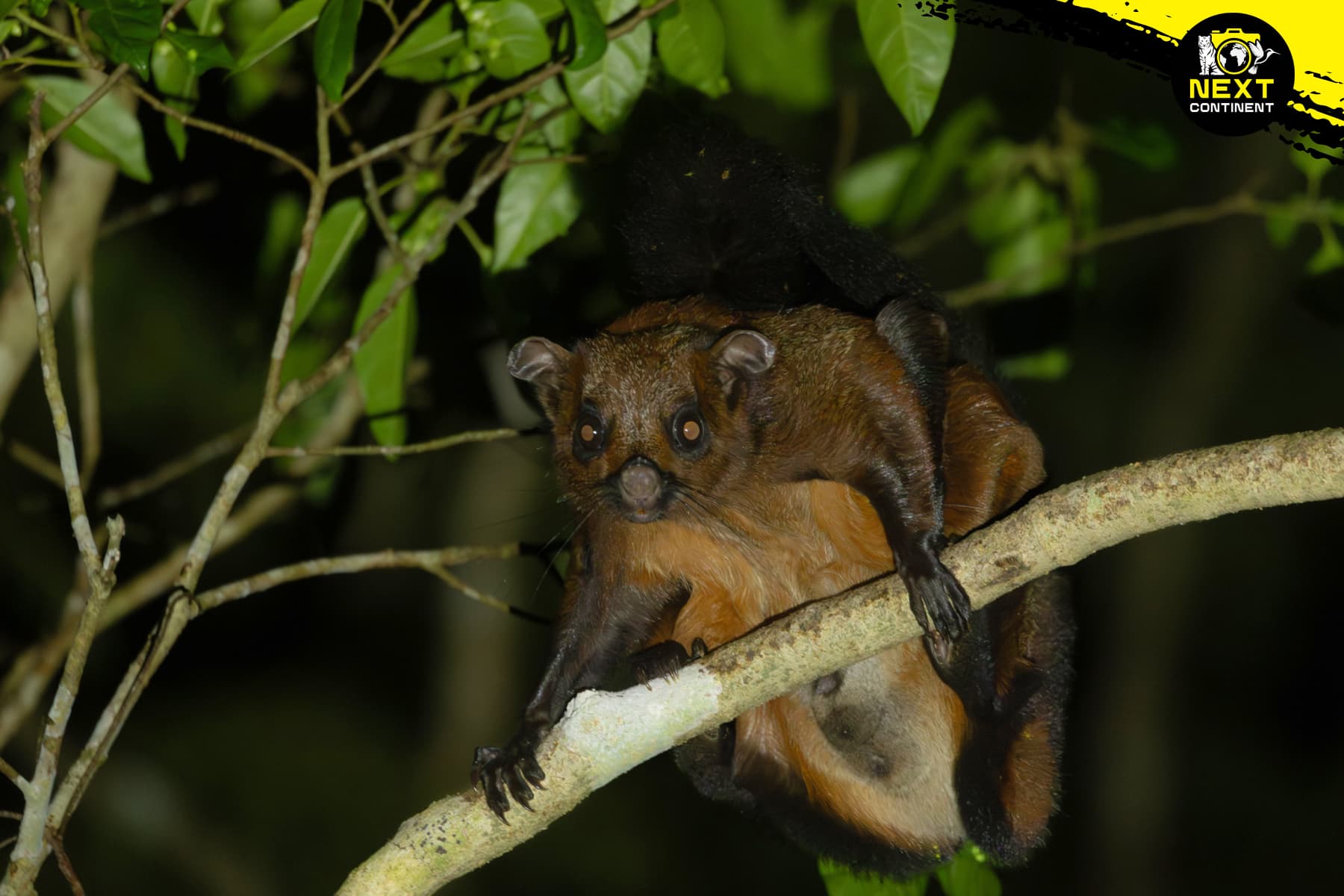
Today we’ll be up very early for some serious primate watching with our main target being Southern White-cheeked Gibbon, one of the rarest and most difficult primates to see in the world. This is primarily a “crack of dawn” species, so after targeting this, we’ll spend the rest of the morning working on other rather primates including Hatinh Langur, Stump-tailed Macaque, Assam Macaque, Red-shanked Douc Langur and possibly Indochinese Black Langur (a very difficult species, and taxonomically complex). Other diurnal targets include Black Giant Squirrel, Inornate Squirrel, Javan Mongoose, Yellow-throated Marten and the very rare Yellow-bellied Weasel. We’ll take a break in the afternoon, possibly visiting a bat cave (this is season dependant). Like the day before, we’ll return in the late afternoon to look for primate and other predator movement around dusk before spotlighting after dark. Spotlighting opportunities in the park are limited, however possibility exists for high-value targets including Northern Palm Civet, Masked Palm Civet, East Asian Porcupine, Indochinese Flying Squirrel, Lesser Giant Flying Squirrel, White-footed Indochinese Rat, and if we’re lucky, our first Northern Pygmy Slow Loris.
Days 11: Phong Nha-Ke Bang National Park > Dong Le > Vinh
Today is our final morning in the park. As with Bach Ma, if we are still missing any primates or other key diurnal targets, we’ll make an early pre-dawn start to position ourselves in the best areas for morning activity. Around mid-morning, we’ll return to our accommodation for an early lunch before departing Phong Nha-Ke Bang and heading north to visit the Hatinh Langur Conservation Community (Cộng đồng bảo tồn Voọc Gáy Trắng). Here we’ll have the opportunity to observe this remarkable species ethically while directly supporting local conservation efforts. This visit is regularly one of the major highlights of the tour, and Next Continent is grateful for the opportunity to work alongside such a passionate and dedicated group of local conservationists. Along the way, we’ll also visit several private sites that provide access to a number of bat caves. Great Roundleaf Bat is the principal target here, though other possibilities include Intermediate Roundleaf Bat, Pomona Roundleaf Bat, Ashy Roundleaf Bat, Eastern Bent-winged Bat, Wrinkle-lipped Bat and Horsfield’s Bat, among others. After what will surely be a memorable afternoon observing Hatinh Langur along the conservation community, we’ll continue north to Vinh for our overnight stay.
Days 12–13: Cuc Phuong National Park
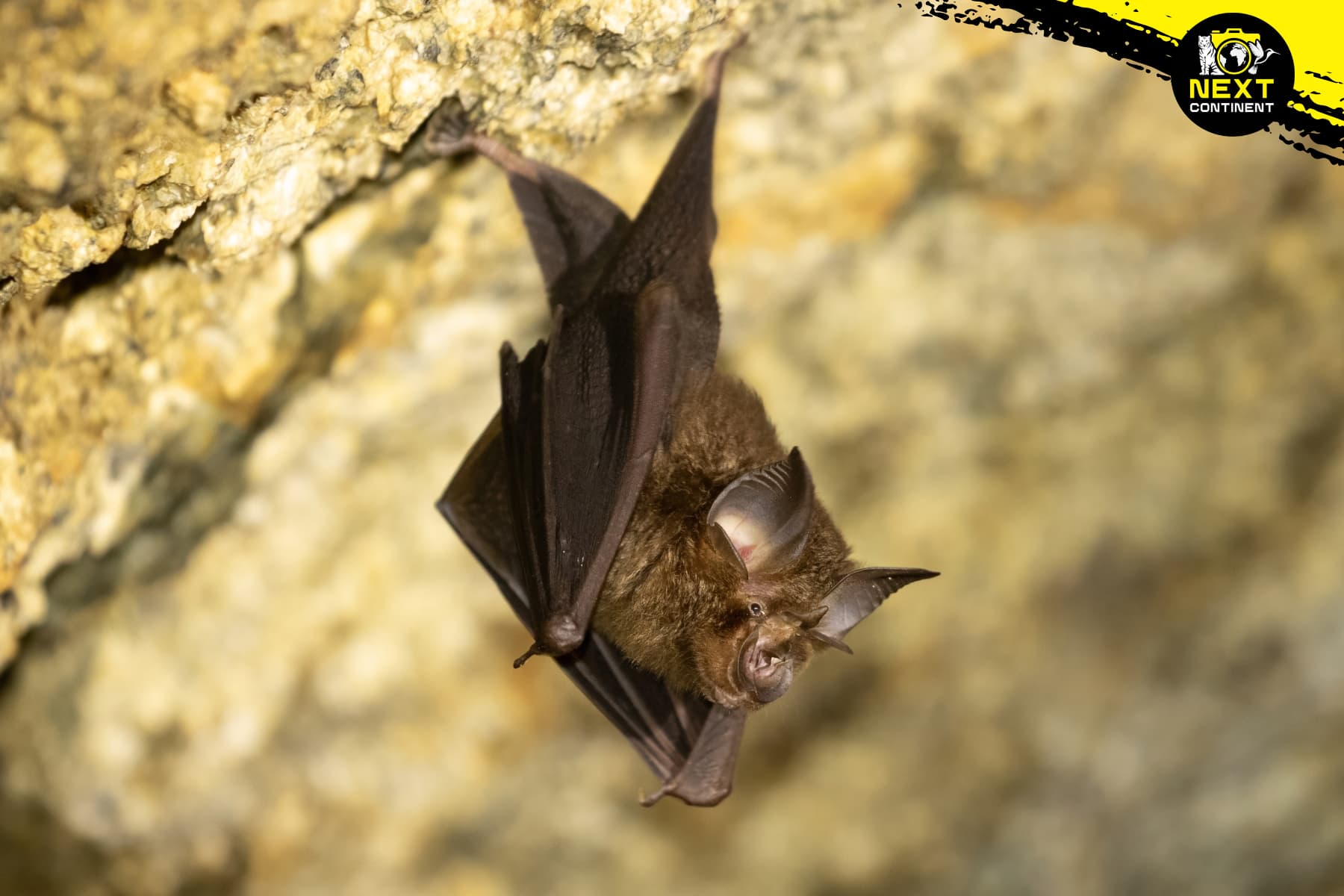
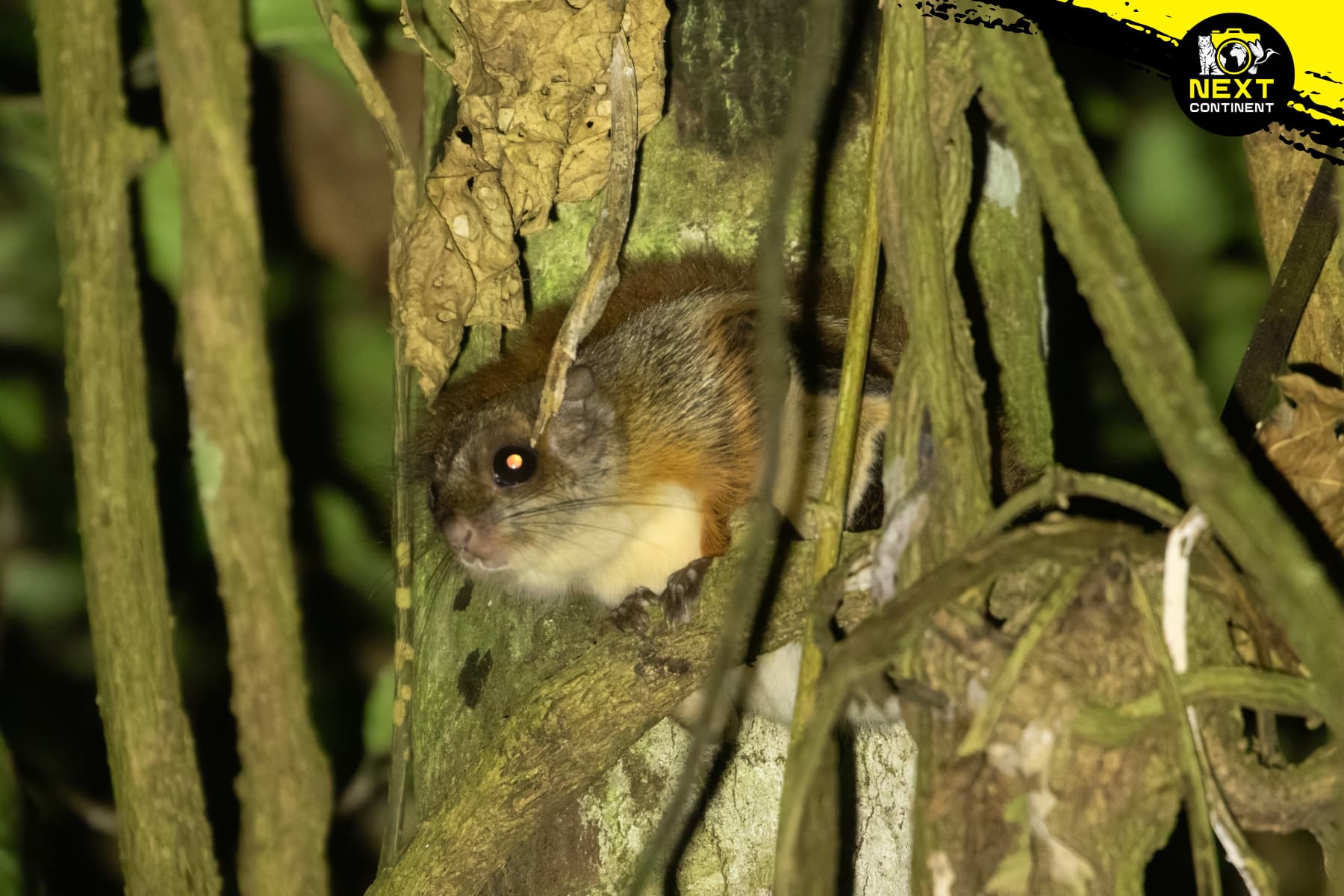
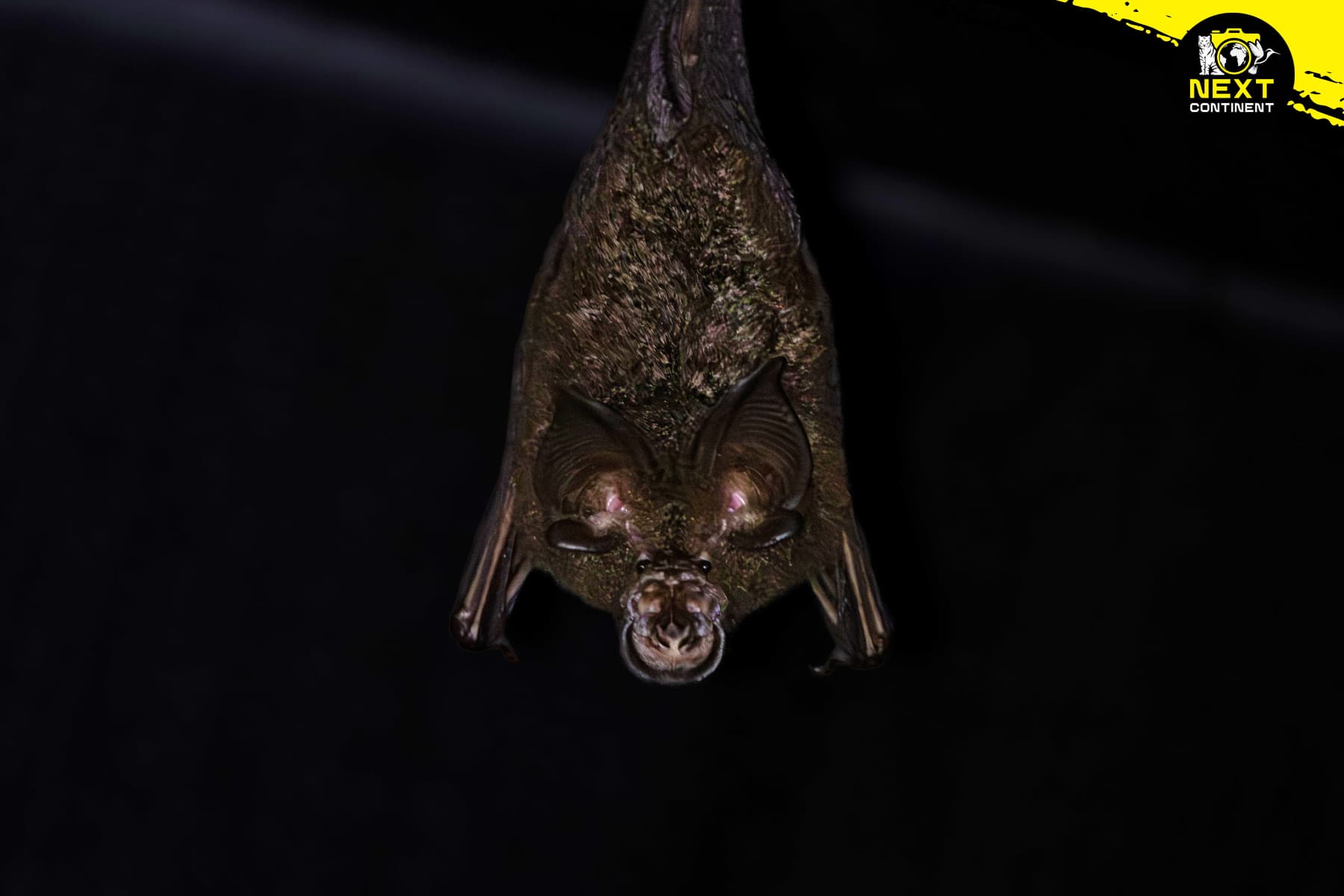
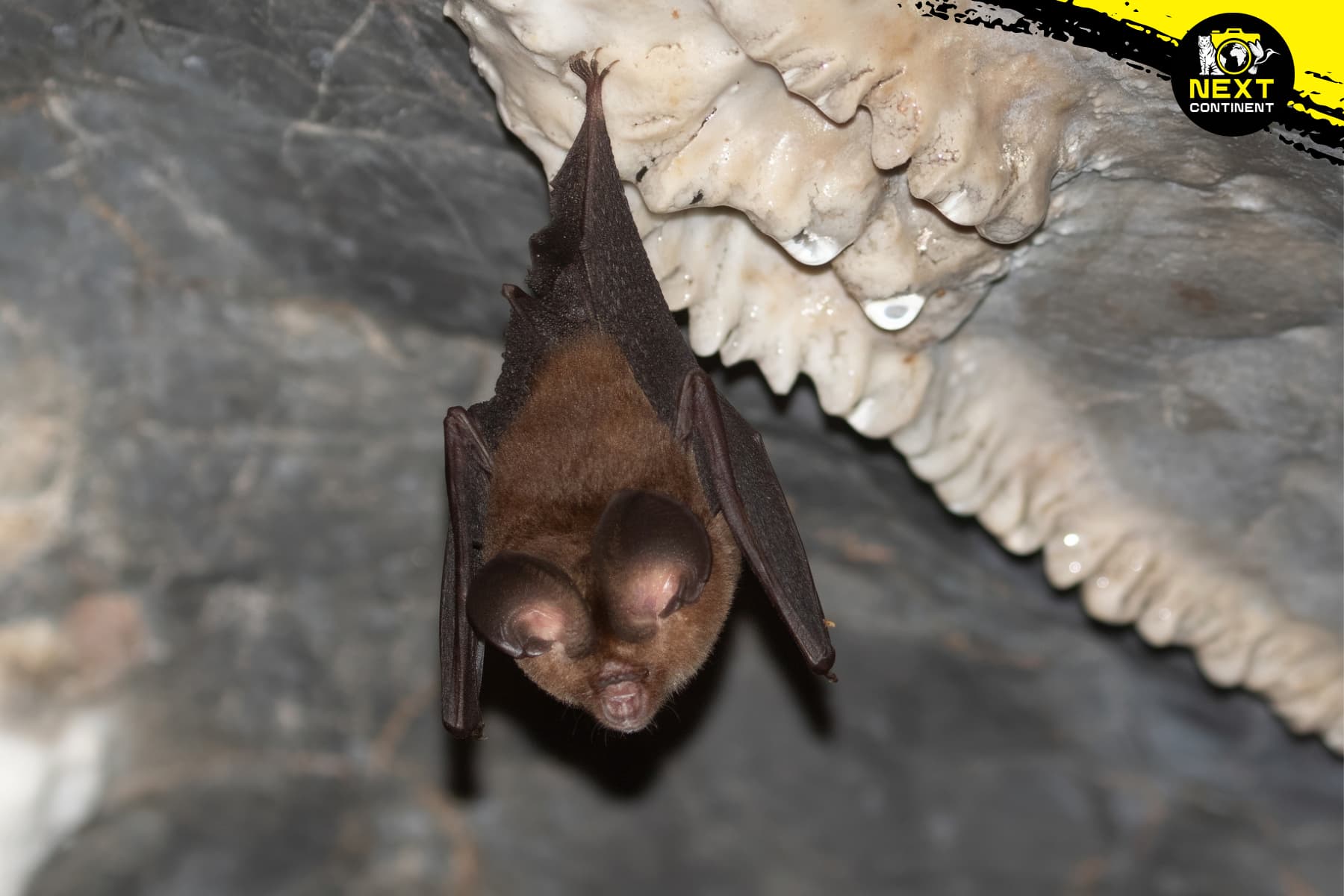
After transferring from Vinh, we’ll spend the next 2 days and 2 nights inside one of Vietnam’s most spectacular wild places, Cuc Phuong National Park. This is one the titans of mammalwatching locations in Vietnam, with many specialist targets and great opportunities. Most of our work will be out at night targeting some of the biggest target species of the trip including Hairy-footed Flying Squirrel, Indochinese Flying Squirrel, Northern Pygmy Slow Loris, Large Indian Civet, Owston’s Civet, Sunda Pangolin, Mainland Leopard Cat, and Great Hog Badger, amongst many more. Among this is a strong supporting cast including Northern Palm Civet, Masked Palm Civet, Greater Short-nosed Fruit Bat, Greater Long-tongued Fruit Bat, Lang Bian White-bellied Rat, Mekong White-bellied Rat, Edward’s Giant Long-tailed Rat, Sikkim Mouse and Indomalayan Pencil-tailed Tree Mouse, among others. Typical diurnal targets include Perny’s Long-nosed Squirrel, Vietnamese Sika Deer, Round-eared Tube-nosed Bat, Inornate Squirrel, Sambar, and rarities such as Yellow-bellied Weasel and Stripe-backed Weasel. Cuc Phuong is also known for its considerable caves and bat watching opportunities. Regular highlight species include Intermediate Roundleaf Bat, Stoliczka’s Trident Bat, Exotic Roundleaf Bat, Allen’s Leaf-nosed Bat, Ha Long Roundleaf Bat, Pearson’s Horseshoe Bat, Great Evening Bat, Lesser False Vampire Bat, and the mega rarity KingHorseshoe Bat.
Day 14: Cuc Phuong > Ninh Binh
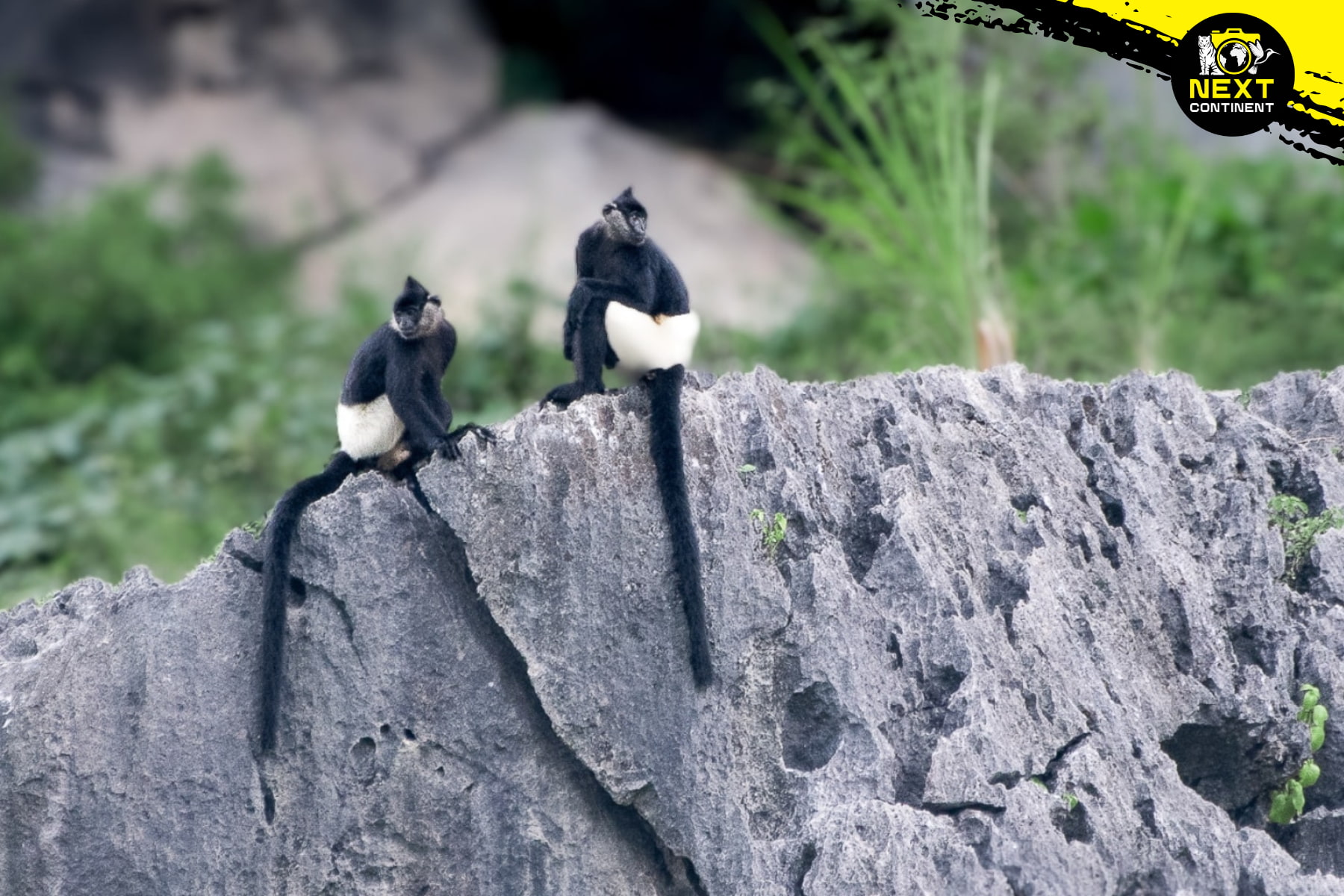
After a final morning in Cuc Phuong, we’ll transfer to Ninh Binh, where our focus shifts to the striking limestone landscapes that are home to two key species: Assam Macaque and the critically endangered Delacour’s Langur, a major highlight for many on the tour. We’ll spend the afternoon searching for them, with further time planned the following morning if needed. Our final night will be spent adjacent the wetlands, where we’ll enjoy our final group dinner and take an opportunity to review our trip lists. Amongst the limestone makes for a nice final opportunity for Japanese Pipistrelle, Lesser Ricefield Rat, Asian House Mouse and Asian House Shrew around the accommodation.
Day 15: Van Long Wetlands > Hanoi
Our final morning begins at dawn with a visit to Van Long Wetlands, the last stronghold of the critically endangered Delacour’s Langur, with fewer than 200~ individuals remaining in the wild. This stunning primate is one of the tour’s major highlights, and we’ll search for family troops by private boat, gliding through serene wetlands surrounded by towering limestone karst. With the Delacour’s Langur in the bag, we’ll give Assam Macaque a final shot (if still required), before having lunch and returning to Ha Noi where the tour concludes with either drop off a local hotel or we can take participants straight to the airport.
Target Species Summary
We’ve put together a detailed list of key target species, each annotated with their likelihood of being seen on this tour. We know how frustrating it can be to plan a trip without a clear idea of what’s realistically possible, especially when it comes to rare or elusive mammals. This guide is designed to help set expectations and make your planning easier and more informed.
Primates:
- Northern Pygmy Slow Loris – Reliable
- Southern Pygmy Slow Loris – Reliable
- Rhesus Macaque – Reliable
- Stump-tailed Macaque – Often reliable, but tricky
- Assam Macaque – Often reliable, but tricky
- Northern Pig-tailed Macaque – Reliable
- Common Long-tailed Macaque – Reliable
- Red-shanked Douc Langur – Reliable
- Grey-shanked Douc Langur – Reliable
- Black-shanked Douc Langur – Reliable
- Hatinh Langur – Reliable
- Indochinese Black Langur – Difficult
- Delacour’s Langur – Reliable
- Annamese Langur – Often reliable, but tricky
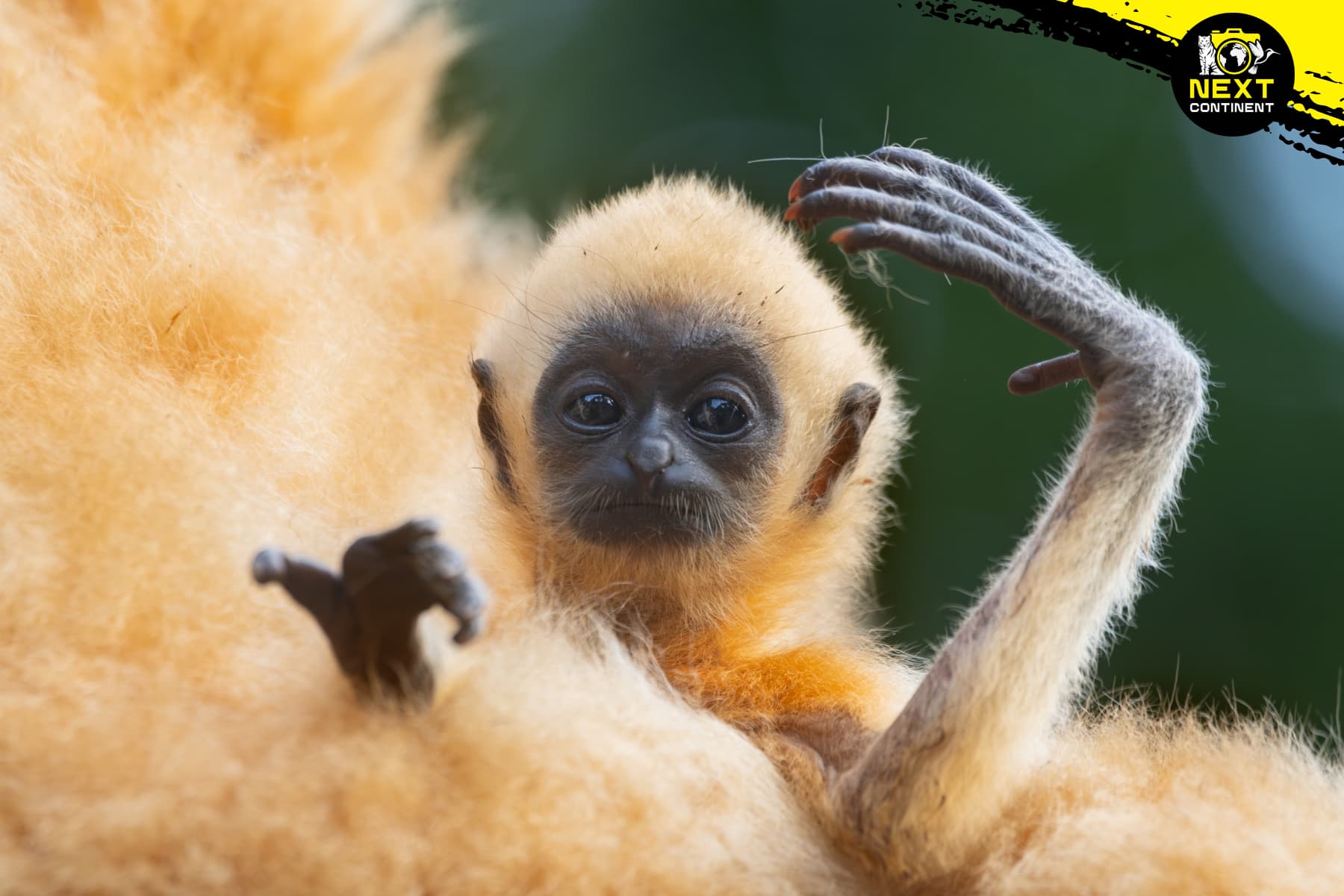
- Southern White-cheeked Gibbon – Often reliable, but tricky
- Northern Yellow-cheeked Gibbon – Difficult
- Southern Yellow-cheeked Gibbon – Reliable
Predators:
- Small-toothed Palm Civet – Often reliable, but tricky
- Southern Palm Civet – Reliable
- Northern Palm Civet – Reliable
- Owston’s Civet – Difficult
- Small Indian Civet – Often reliable, but tricky
- Masked Palm Civet – Reliable
- Yellow-throated Marten – Often reliable, but tricky
- Yellow-bellied Weasel – Difficult
- Javan Mongoose – Reliable
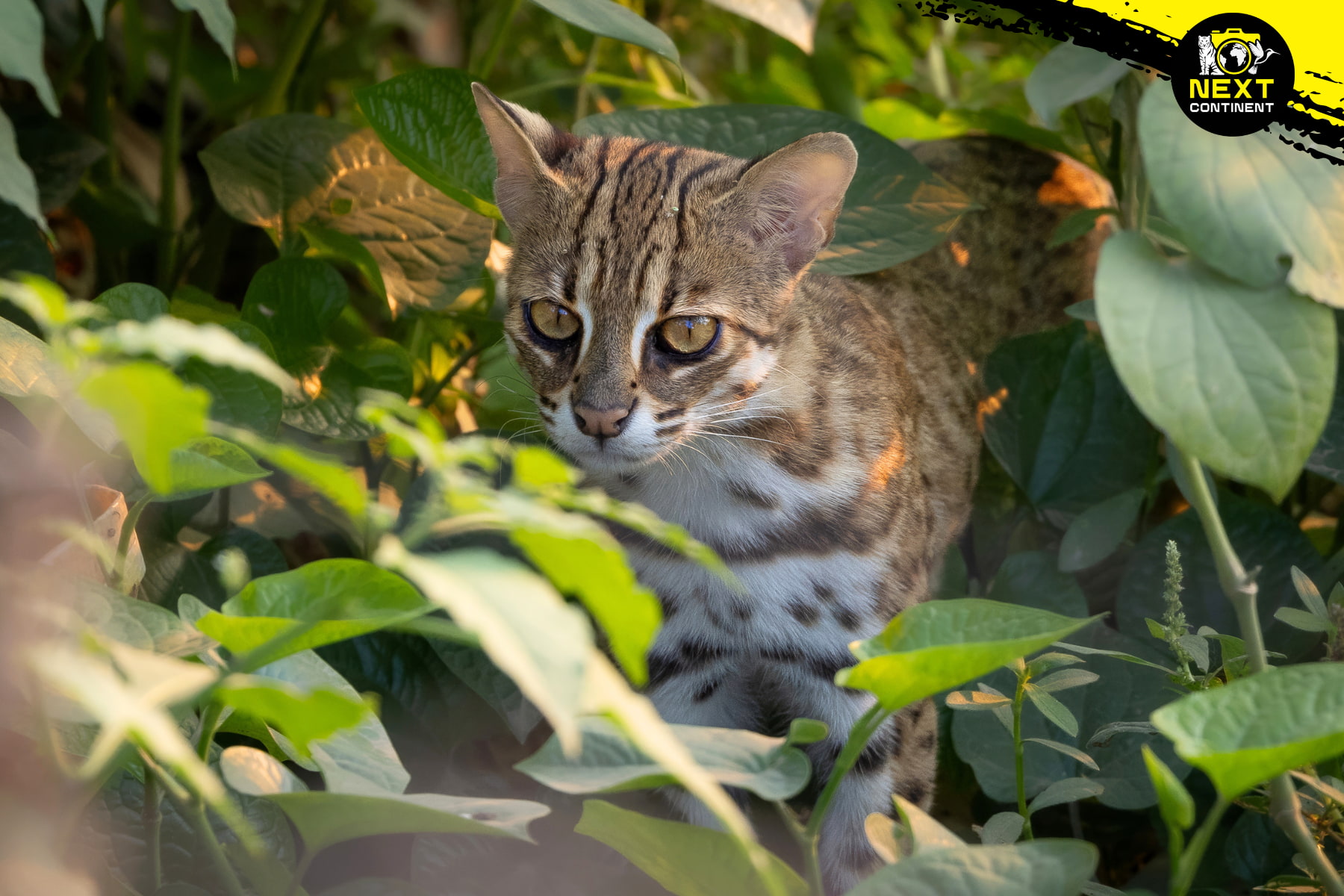
- Mainland Leopard Cat – Often reliable, but tricky
- Domestic Cat – Reliable
- Small-toothed Ferret Badger – Often reliable, but tricky
- Large-toothed Ferret Badger – Difficult
- Asian Small-clawed Otter – Difficult
Bats:
- Large Flying Fox – Reliable
- Leschenault’s Rousette – Reliable
- Greater Long-tongued Fruit Bat – Often reliable, but tricky
- Greater Short-nosed Fruit Bat – Reliable
- Lesser Short-nosed Fruit Bat – Often reliable, but tricky
- Ratanaworabhan’s Fruit Bat – Difficult
- Lesser False Vampire Bat – Reliable
- Greater False Vampire Bat – Reliable
- Andersen’s Leaf-nosed Bat – Difficult
- Allen’s Leaf-nosed Bat– Often reliable, but tricky
- Stoliczka’s Trident Bat – Often reliable, but tricky
- Grand Roundleaf Bat – Reliable
- Intermediate Roundleaf Bat – Often reliable, but tricky
- Pomona Roundleaf Bat – Difficult
- Ashy Roundleaf Bat – Difficult
- Exotic Roundleaf Bat – Reliable
- Ha Long Leaf-nosed Bat – Difficult
- Intermediate Horseshoe Bat – Reliable
- Pearson’s Horseshoe Bat – Reliable
- Indochinese Horseshoe Bat – Reliable
- Woolly Horseshoe Bat – Reliable
- Northern Woolly Horseshoe Bat – Reliable
- King Horseshoe Bat – Very Difficult
- Black-bearded Tomb Bat – Reliable
- Theobald’s Tomb Bat – Difficult
- Eastern Bent-winged Bat – Difficult
- Wrinkle-lipped Bat – Difficult
- Horsfield’s Bat – Difficult
- Thick-thumbed Myotis – Often reliable, but tricky
- Japanese Pipistrelle – Often reliable, but tricky
- Javan Pipistrelle – Reliable
- Great Evening Bat – Difficult
- Round-eared Tube-nosed Bat – Difficult
Rodents:
- Asian House Shrew – Difficult
- East Asian Porcupine – Reliable
- Brush-tailed Porcupine – Difficult
- Greater Bandicoot Rat – Often reliable, but tricky
- Indomalayan Long-tailed Giant Rat – Often reliable, but tricky
- Edward’s Long-tailed Giant Rat – Often reliable, but tricky
- Indomalayan Niviventer – Often reliable, but tricky
- Lang Bian White-bellied Rat – Often reliable, but tricky
- Mekong White-bellied Rat – Often reliable, but tricky
- White-footed Indochinese Rat – Difficult
- Sikkim Rat – Often reliable, but tricky
- Oriental House Rat – Reliable
- Brown Rat – Reliable
- Ricefield Rat – Reliable
- Lesser Ricefield Rat – Often reliable, but tricky
- Ricefield Mouse – Often reliable, but tricky
- Asian House Mouse – Often reliable, but tricky
- Indomalayan Pencil-tailed Tree Mouse – Often reliable, but tricky
Large Mammals:
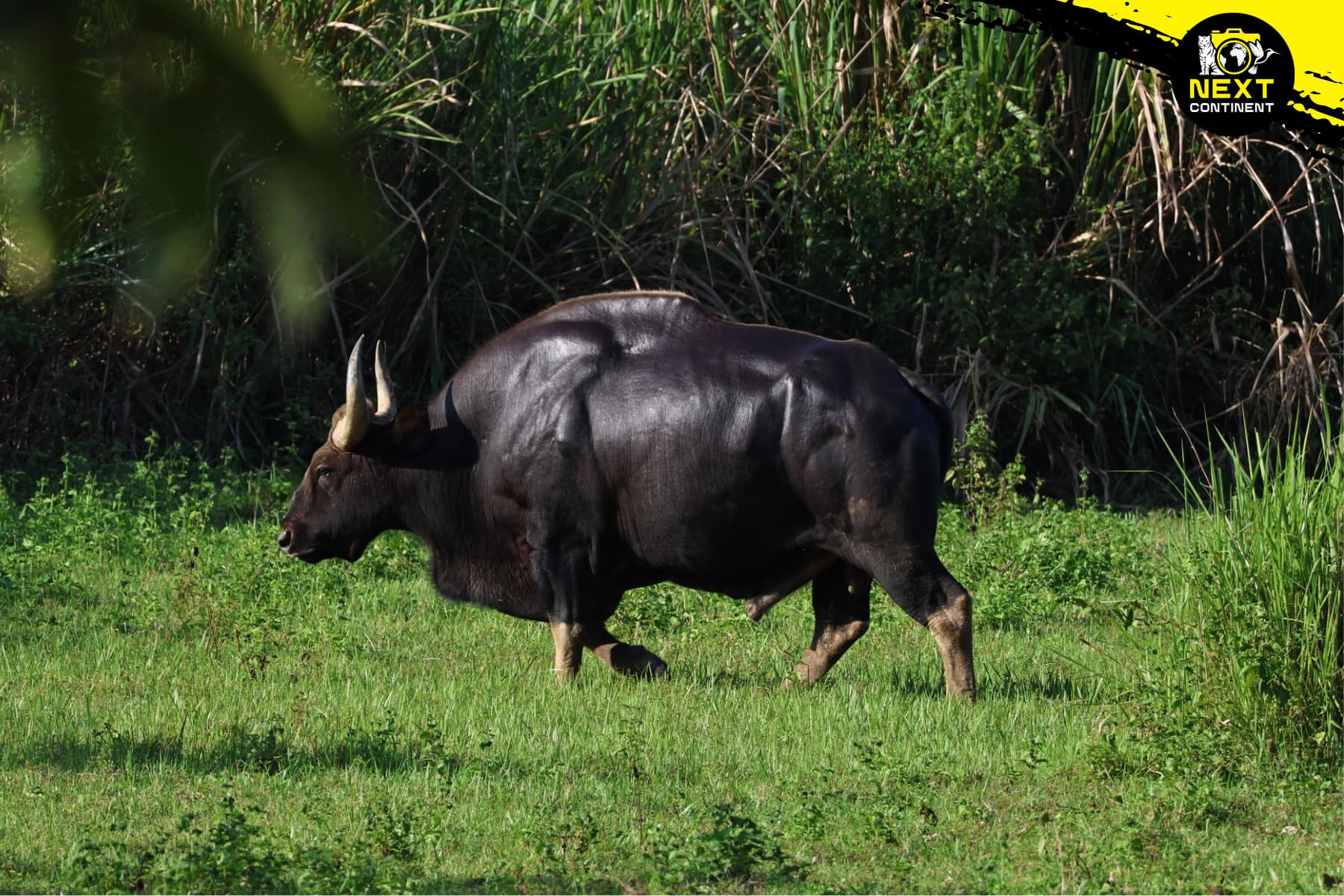
- Gaur – Often reliable, but tricky
- Lesser Oriental Chevrotain – Often reliable, but tricky
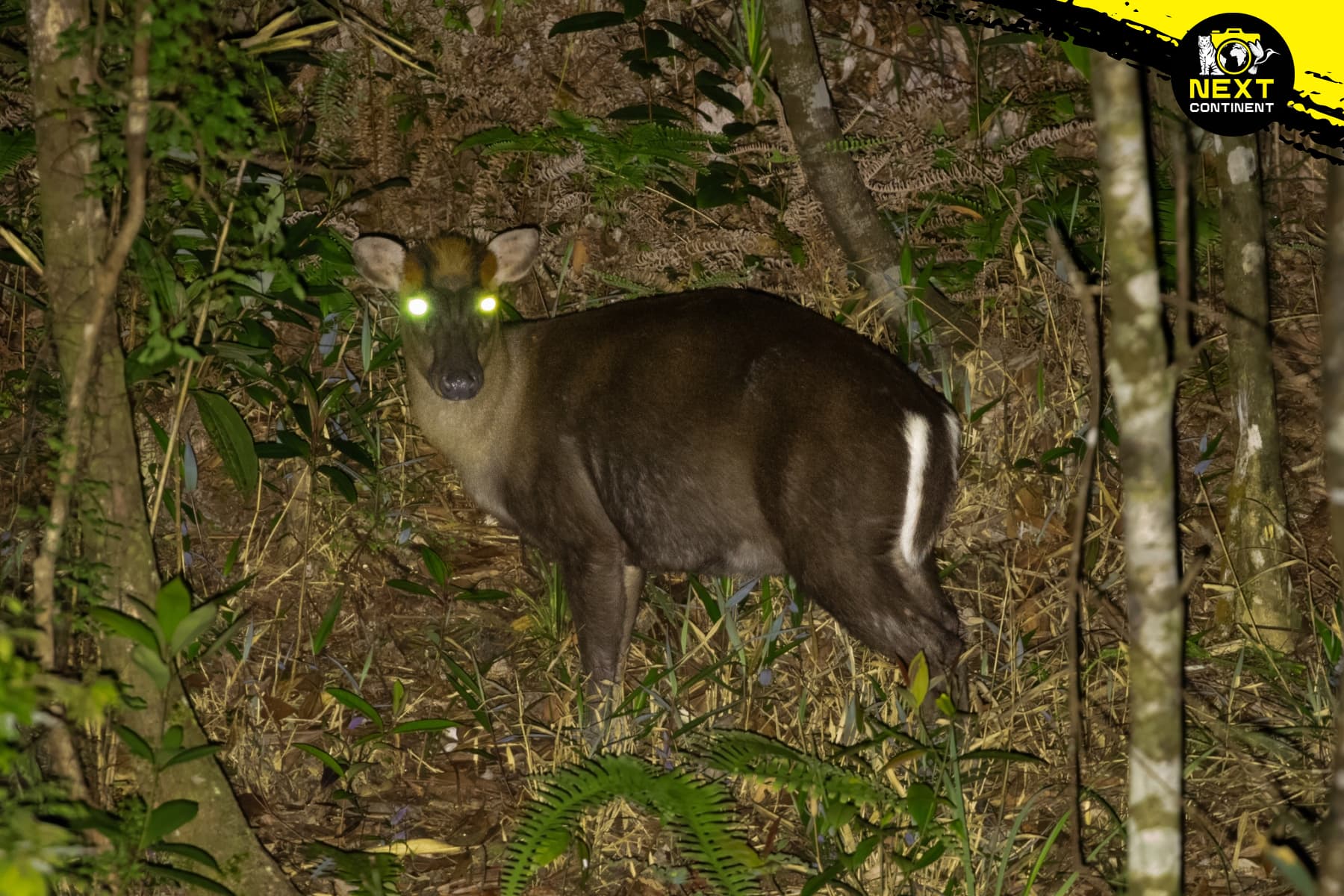
- Annamite Muntjac – Often reliable, but tricky
- Northern Red Muntjac – Reliable
- Sambar – Reliable
- Vietnamese Sika Deer – Difficult
- Large-antlered Muntjac – Very Difficult
- Indochinese Serow – Difficult
- Indochinese Wild Boar – Often reliable, but tricky
- Sunda Pangolin – Difficult
- Asian Elephant – Difficult
Squirrels, Treeshrews & Lagomorphs:
- Particoloured Flying Squirrel – Difficult
- Common Giant Flying Squirrel – Often reliable, but tricky
- Lesser Giant Flying Squirrel – Difficult
- Indochinese Flying Squirrel – Often reliable, but tricky
- Hairy-footed Flying Squirrel – Reliable
- Perny’s Long-nosed Squirrel – Reliable
- Black Giant Squirrel – Often reliable, but tricky
- Cambodian Striped Squirrel – Reliable
- Inornate Squirrel – Often reliable, but tricky
- Asian Red-cheeked Squirrel – Reliable
- Pallas’ Squirrel – Reliable
- Finlayson’s Squirrel – Reliable
- Maritime Striped Squirrel – Reliable
- Indochinese Ground Squirrel – Reliable
- Northern Treeshrew – Reliable
- Northern Smooth-tailed Treeshrew – Reliable
- Burmese Hare – Often reliable, but tricky
Other Wildlife Highlights
It’s no secret that where mammal watching is spectacular, other wildlife experiences often follow, and this tour is no exception. Whilst this is certainly a mammal and primate focused experience, participants will experience spectacular birding, herping, butterfly watching and other notable wildlife along the way. Both rur previous 2024 & 2025 tours featured well over 250~ species of bird and over 40~ herps. The entire Next Continent team is trained across all major wildlife groups, so whilst the priority will be the mammals, you will have support in identifying all the key birds, herps and other wildlife we encounter across this two week tour.
Tour Pace
This tour is moderate / high paced, with a mix of longer field days and exposure to tropical climates that may be unfamiliar to some visitors. One of the key challenges can be the long days and late nights spent spotlighting for nocturnal wildlife. To help balance the experience, the itinerary typically includes rests in the hottest parts of the day (before spotlighting), as well as several longer drive days every 4–5 days to allow for recovery. Most sites feature well-maintained trails and roads, making walking and wildlife observation relatively easy. That said, the tropical environment can be hot and humid. As always, we’ll adjust the pace and focus of each day to suit the group’s comfort, interests, and target species.
Group Size
Ask any seasoned mammal watcher what makes a tour successful and one of the first things they’ll mention is group size. Most mammals are nocturnal, elusive, and naturally shy, making quiet, low-impact observation essential. Larger groups significantly reduce the chances of quality encounters, let alone clear sightings or extended viewing opportunities. That’s why we limit this tour to a maximum of just six participants, and we’ll run it with as few as three. With two expert guides, we can split up when needed, cover more ground, and maximise your chances of finding and observing a wide range of species. It’s the ideal small-group setup for serious mammal enthusiasts.
Climate & Weather Conditions
This tour runs from late March into April, a transitional period between the dry and wet seasons across much of Vietnam. Guests can expect a mix of warm to hot days, increasing humidity and the occasional light rain shower especially in the central and northern regions.
- Cat Tien National Park: Typically hot and humid, with daytime temperatures in the low 30s°C (85–95°F). Nights are warm but can be more comfortable in forested areas. Occasional early-season rains may begin in April.
- Central Vietnam: Bạch Mã & Sơn Trà: More variable conditions. Bạch Mã, at higher elevation, can be cooler, especially in the early mornings and evenings. Sơn Trà remains warm and humid year-round.
- Phong Nha–Kẻ Bàng: Expect warm, humid conditions with occasional rain and mist, particularly in the mornings. Caves and forests can offer cooler microclimates during the day.
- Cúc Phương, Ninh Bình & Hanoi: Generally warm and pleasant in March, trending hotter and more humid in April. Expect daytime highs between 25–32°C (77–90°F), with cooler nights in upland areas like Cúc Phương.
Because this tour includes both lowland and upland areas, as well as extensive nocturnal activity, guests should be prepared for a range of temperatures. Expect warm, sticky nights in the lowlands to cool evenings in the hills. Light, breathable clothing for the day, layers for night excursions, and rain protection (especially later in April) are essential.
Tour Inclusions
- 2x Expert Principal Mammal & Wildlife Guides
- Private Vehicle & Driver throughout tour in comfortable 16-seater van
- All Accommodation
- All specialist equipment (thermal scope, spotlights, bat detectors, etc)
- Ferry tickets, boat cruises, and other special features outlined in itinerary
- All park & conservation site tickets, permits and donations
- Some Meals (as outlined in itinerary)
- Non-alcoholic beverages throughout the day
- Water bottles
- Comprehensive insurance coverage
- First aid and a COVID-safe environment
Photography Opportunites & Notes
Unlike birding or herping tours, mammal watching doesn’t always lend itself easily to photography, especially when it comes to shy, nocturnal, or cryptic species. However, this tour offers rewarding opportunities for serious wildlife photographers, particularly with primates, as well as many of our principal target species.
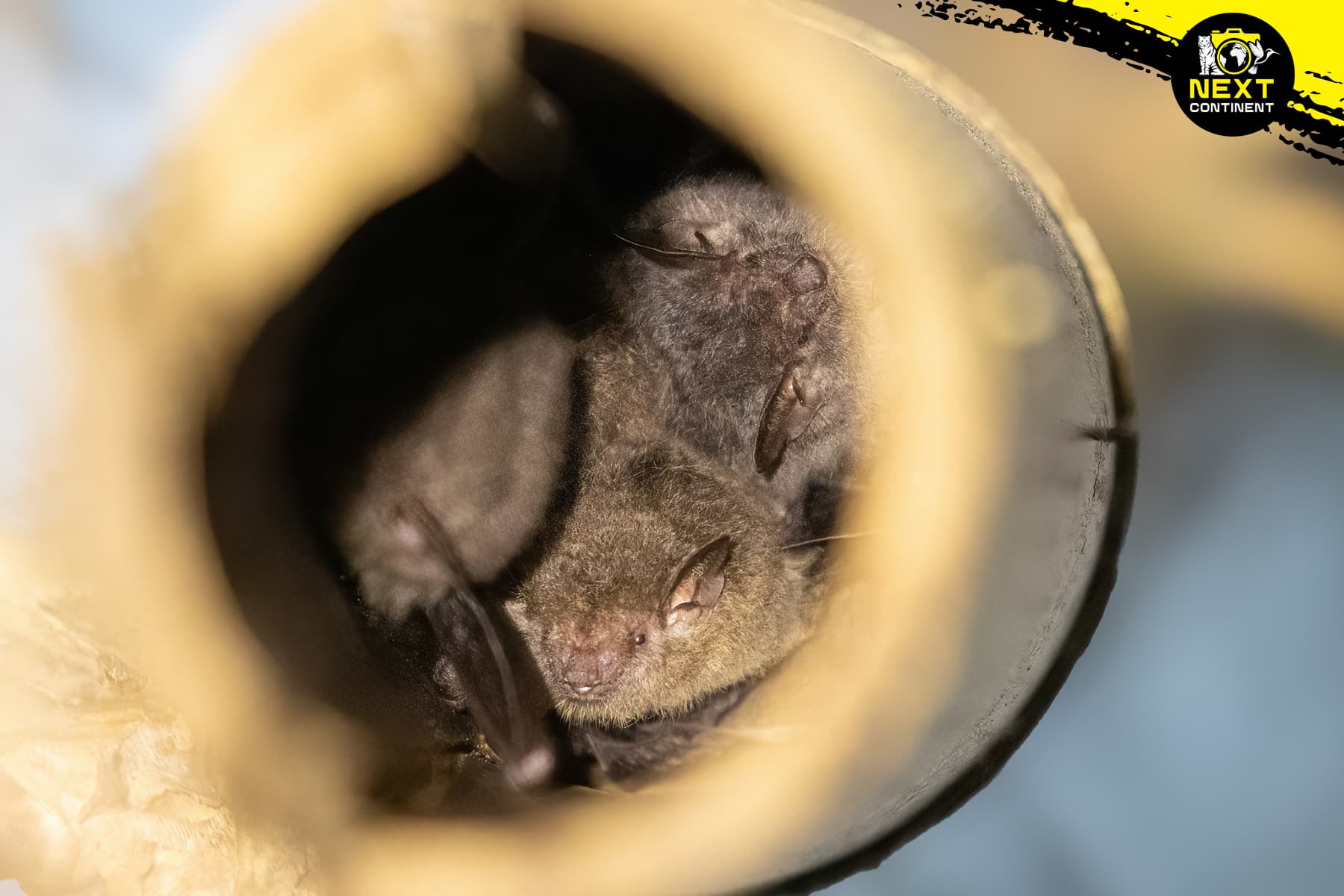
That said, some species like bats, small rodents, civets, and predators, may be less cooperative and difficult to photograph well due to their elusive nature and nocturnal habits. While we always aim to create conditions for photography whenever possible, we encourage guests to maintain realistic expectations, especially when it comes to rare or shy forest-dwelling species.
That said, our 2025 tour encountered 65 species with 59 of these ultimately photographed by the group, demonstrating the quality of encounters and what can be typically expected for photographers.
We typically recommend telephoto lenses of at least 400mm (600mm is even better) for distant subjects. For nocturnal outings such as encounters with Slow Lorises, Civets, or Flying Squirrels, etc, shorter lenses with wide apertures that perform well in low light can be equally rewarding. Our team includes experienced photographers and field guides, so if you have questions about gear or techniques, don’t hesitate to reach out, we’re happy to help you prepare.
Previous Trip Reports
We have now coordinated a number of highly successful tours, accumulating a collection of trip reports and results along the way. Our 2026 Trip Report has now been released and documents our most comprehensive and successful trip to date. As our tours have evolved, we have continued refining and improving the experience each year. The steady increase in species totals across our reports reflects this ongoing commitment to delivering the best possible outcomes and experiences for our guests.

Tour Extension Options
Over the years, many guests have expressed interest in extending their journey either before or after the main tour in search of additional target species. From 2027 onwards, we will offer a specialist pre-tour extension to the Mekong Delta, along with a post-tour extension focused on Northern White-cheeked Gibbons. If you are interested in either of these optional extensions, please indicate this on the booking form or contact us directly for further details. No minimum numbers are required for either extension to proceed.
Pre-Tour: Mekong Delta Extension
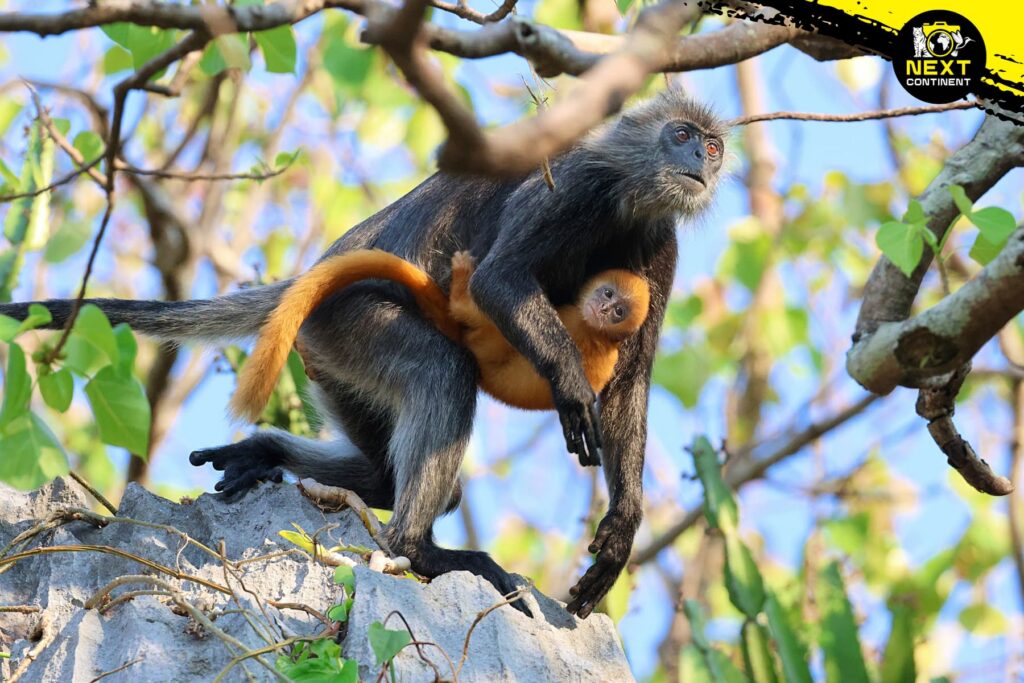
For the first time, we will be offering a specialist Mekong Delta Pre-Tour Extension. This 4-day itinerary is centred around the Indochinese Silver Langur, with additional targets including Lyle’s Flying Fox, Large Flying Fox, Mainland Leopard Cat, Javan Mongoose, Finlayson’s Squirrel, and potential rarities such as Hairy-nosed Otter and Irrawaddy Dolphin. The exact details are still being finalised, though the proposed route includes a loop through Kampi in Cambodia to visit a significant population of Irrawaddy Dolphins and search for Mekong Wagtail, before returning to Ho Chi Minh City.
If you are interested in joining this extension, please indicate this on your booking form or contact us directly for further details.
Post-Tour: Northern White-cheeked Gibbon (4D3N)
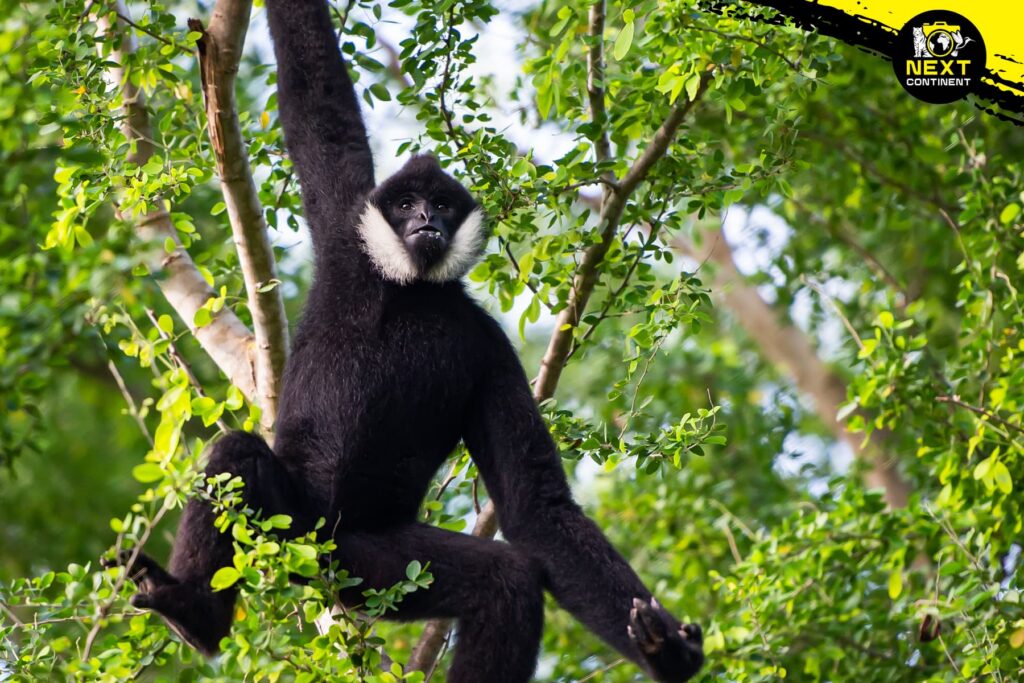
Elusive, rare, and found only in the remote forests of northern Vietnam, the Northern White-cheeked Gibbon is one of Indochina’s most challenging primates to encounter. This specialist 4-day extension begins immediately after the conclusion of our main mammal expedition and is designed for participants with a keen interest in rare wildlife and the determination to pursue a true mega primate.
The extension travels to Van Ho in northwestern Vietnam and combines early starts with rugged terrain, venturing deep into rural landscapes, limestone forests, and remote ethnic communities in search of this Critically Endangered species. For those prepared for a final adventure, this gibbon quest promises one of Vietnam’s most memorable and rewarding wildlife experiences.
Discover More Mammal Watching in Vietnam
If this tour caught your eye, you might enjoy exploring our other mammal-watching experiences. We offer over 40 different mammal and primate tours across Vietnam, most of which run year-round. Below are some highlights and links to other key destinations for your consideration. Thinking of doing more with us? Let us know, we’d be happy to create a customised package tailored to your journey.

Browse our finest mammal-watching adventures in Vietnam, with over 40~ curated tours offering the country’s most comprehensive range of mammal-focused experiences. From rare primates and elusive carnivores to bats, endemics, and lesser-known species, our itineraries uncover Vietnam’s rich and often overlooked mammalian diversity. With over 250 species, including many endemics, critically endangered mammals, and recent discoveries like the Saola, Vietnam offers truly rare encounters. Whether you’re after icons like the Red-shanked Douc Langur or elusive species like the Annamite Striped Rabbit, Large-antlered Muntjac, or Owston’s Civet, our tours deliver unmatched opportunities to connect with Southeast Asia’s wildest inhabitants.

Join Next Continent for spectacular primate-watching experiences across Vietnam, home to some of Asia’s rarest and most endangered monkeys, langurs, and gibbons. With over 30 expertly crafted itineraries, ranging from day trips and multi-day adventures to in-depth expeditions, we offer a diverse variety of comprehensive, ethical, and conservation-focused primate tours across the country. Come and discover why it’s hailed as one of the world’s most spectacular primate-watching destinations. Whether you’re chasing lifers, focused on photography, or looking for a custom or specialist trip, our expert-guided tours are designed to help you experience the best of Southeast Asia’s premier primate destination.

Cat Tien boasts the greatest diversity of mammals and the best mammal-watching experiences in Vietnam. Home to the country’s highest number of primate species, this top tour targets all key animals, from the critically endangered Annamese Langur and Asian Elephant to elusive bats, civets, gibbons, squirrels, and more. It offers unparalleled opportunities to experience Vietnam’s incredible mammal life in one of its richest lowland forests.
Tailor Your Experience
Looking to enhance your experience? Whether it’s adding an extra day, making an additional stop, arranging pick-up from a distant location, hiring a camera, or combining your tour with another one of our amazing experiences, we’ve got you covered. Get in touch today, and let our experts craft a private, customised itinerary with dates and prices tailored to your needs
Still have questions? Get in touch with us directly
- info@nextcontinent.travel
- Phone / WhatsApp / Zalo: (+84) 328 955 019
- Frequently Asked Questions