At Next Continent, we have spent years introducing travellers to the extraordinary wildlife of Vietnam and Southeast Asia. From rare primates and colourful birds to elusive nocturnal mammals, our tours are built around a simple belief: wildlife belongs in the wild.
That is why we are proud to support The Civet Project and its campaign to end the sale of civet coffee (kopi luwak) on major online marketplaces including Amazon, eBay and Etsy.
What Is Civet Coffee?
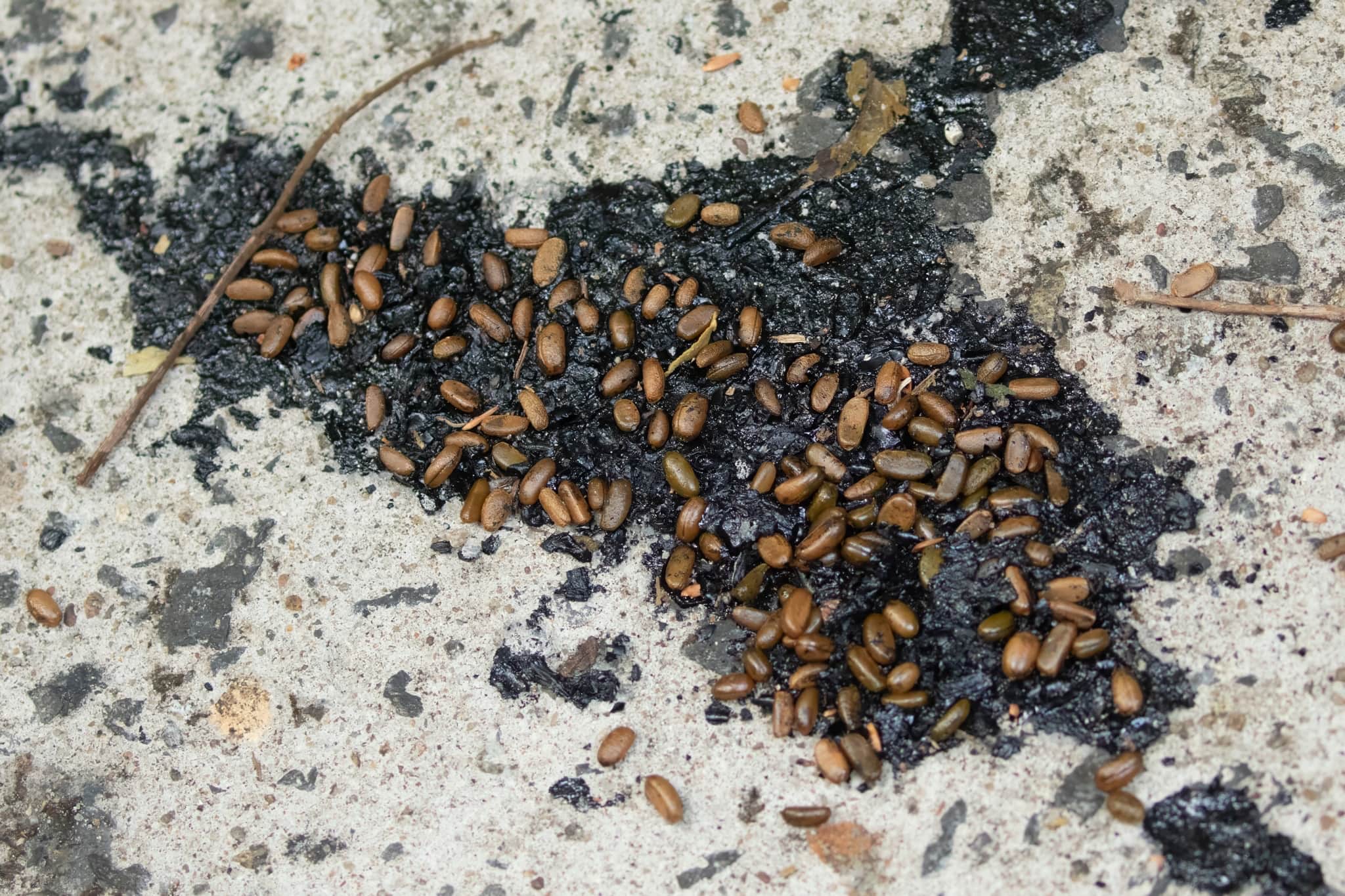
Civet coffee, also known as kopi luwak, is produced using coffee beans that have passed through the digestive system of a civet. Often marketed as one of the world’s most exclusive coffees, civet coffee has become a global industry worth millions.
Many consumers are led to believe that civet coffee is collected harmlessly from wild civet droppings. However, numerous investigations have shown that much of the industry now relies on capturing wild civets and keeping them in captivity to maximise production.
The Animal Welfare Cost of Civet Coffee
Across Southeast Asia, including parts of Vietnam and Indonesia, civets are captured from the wild and confined in small cages. They are frequently fed unnatural diets dominated by coffee cherries and may suffer from stress, malnutrition, injury and disease.
Recent investigations by The Civet Project found widespread misleading claims on civet coffee products sold online. Products were marketed as “wild collected”, “high welfare” or “certified cage-free” despite the absence of any independent civet coffee certification scheme.
Consumers who care about animal welfare are often unknowingly supporting practices that cause significant suffering to wildlife.
Why Civets Matter
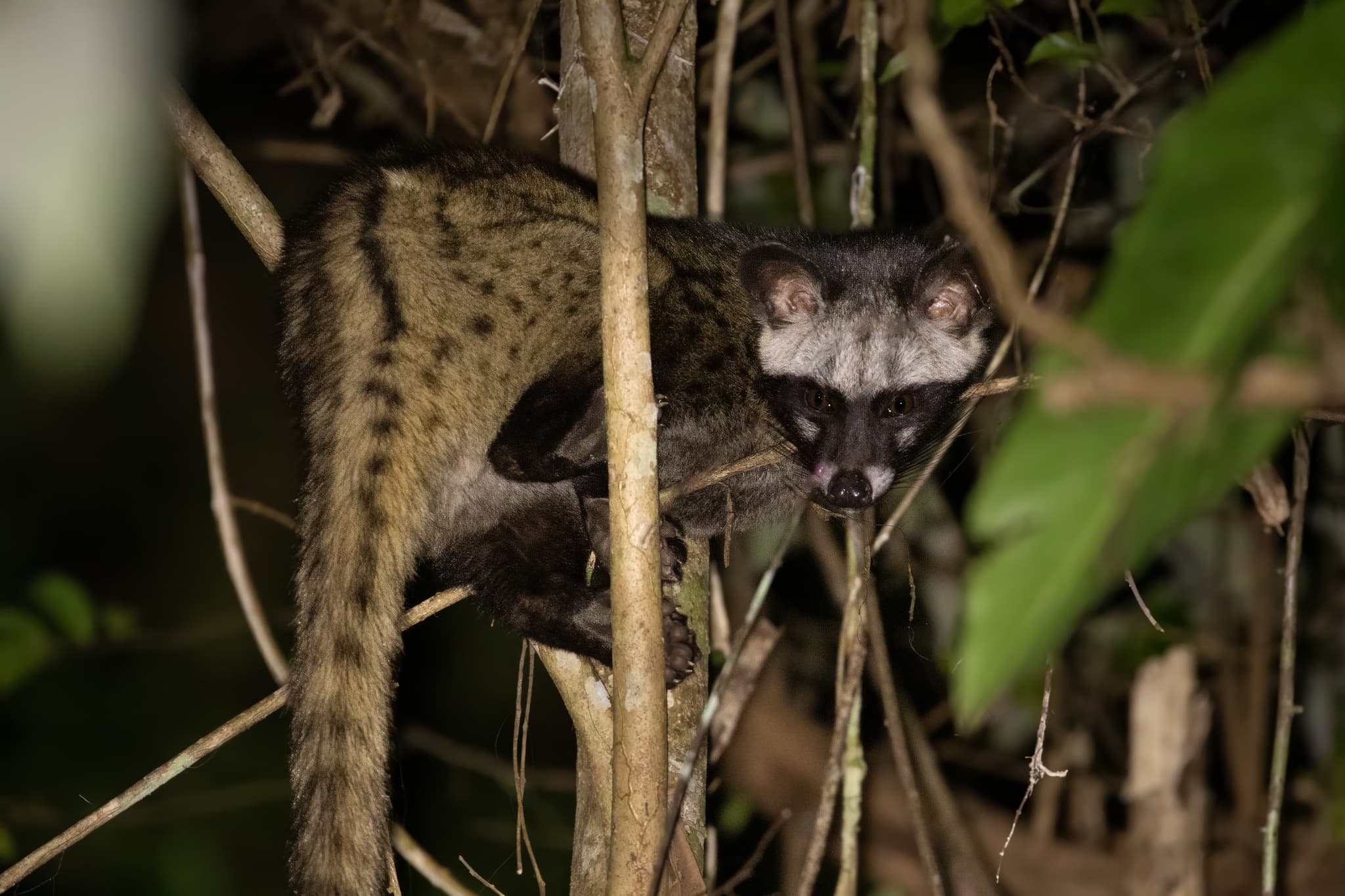
Civets are far more than coffee-producing machines. These fascinating nocturnal mammals play an important ecological role throughout the forests of Vietnam and Southeast Asia. As seed dispersers, they help regenerate forests and maintain healthy ecosystems. They also contribute to natural pest control and form part of the complex web of biodiversity that makes the region so special.
Many wildlife enthusiasts travel to Vietnam hoping to see species such as the Southern Palm Civet, Large Indian Civet and Owston’s Civet (to name a few!) in their natural habitats. Protecting civets means protecting the forests and ecosystems on which countless other species depend.
Next Continent and The Civet Project
In 2025, Next Continent established an in-kind partnership with The Civet Project, a pioneering conservation organisation dedicated to protecting civets and raising awareness about the threats they face. Through this partnership we contribute wildlife records to the Night Roamers database, incorporate civet-friendly travel advice into our client materials, and support educational and community outreach initiatives.
As a company specialising in wildlife tours across Vietnam, Indochina and beyond, we believe tourism should contribute positively to conservation outcomes. Encouraging ethical wildlife tourism and discouraging harmful wildlife products such as civet coffee are important parts of that mission.
How You Can Help
The Civet Project is calling on Amazon, eBay and Etsy to ban the sale of civet coffee products from their platforms.
By signing the petition, you can help reduce demand for products linked to wildlife exploitation, support stronger animal welfare standards, and encourage greater transparency in online marketplaces. Every signature helps, please click here to sign today!
Support Ethical Wildlife Tourism
One of the best ways to help civets is to appreciate them as wild animals rather than commodities. Whether you’re travelling in Vietnam, Indonesia or elsewhere in Southeast Asia, avoid attractions that keep civets in captivity and never purchase civet coffee.
Instead, support conservation organisations, responsible tourism operators and local communities that protect wildlife and natural habitats.
Together, we can ensure that civets remain a living part of Asia’s forests for generations to come.
Sign The Civet Project’s petition today and help end the trade in civet coffee.