As you may have read in my earlier post, before joining Next Continent, birds were nothing but literary metaphors and the word “douc” wasn’t even in my dictionary. As a self-proclaimed human-obsessor with a background in rights advocacy, I never expected myself to make a switch to wildlife ecotourism and conservation. Yet, it happened in 2024.
After some time being the “make-up artist” of Next Continent (the one in charge of sharing the story of a young, progressive, women-owned wildlife company) I’ve learned a lot more than I expected (and probably a lot I am yet realise!).
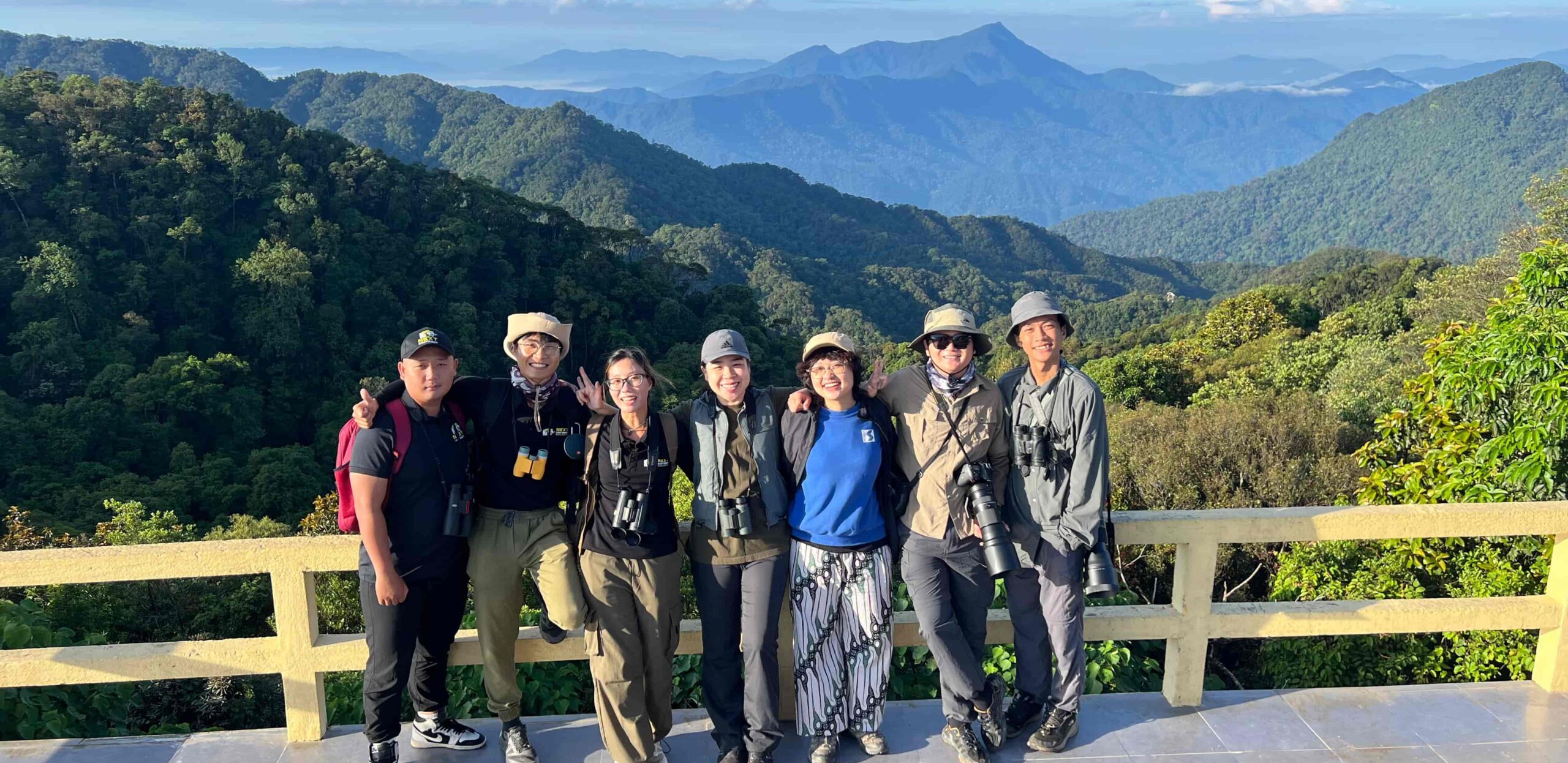
Here are 3 things that watching animals taught me about storytelling:
Patience, presence, and a little prayer is key
One of the first things I learned while sweating my ass off in a paddy field at midday is that wildlife watching requires a very specific kind of stillness. It’s about positioning yourself in the best spot, staying quiet, and waiting for the moment to arrive. Sometimes it does, and other times it doesn’t. The good news is that you can always come back tomorrow.
Storytelling, to me, works the same way. The best content I made at Next Continent was never the stuff I pushed out to hit a deadline. It was the most random photo I ever took, the caption that came to me at midnight, the blog that almost didn’t get written (like this one, which I’m literally typing up at 7PM when my log-off time was at 5PM).
My motto is that: Viral moments are unmanufacturable. Patience, presence, and a little prayer is key 😉
Context, context, context!
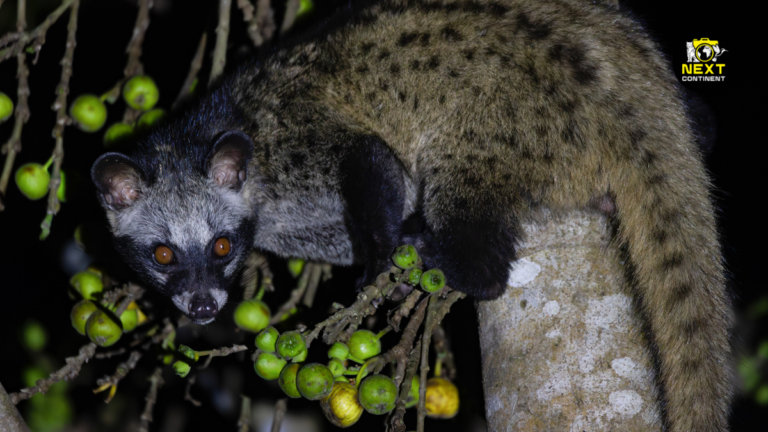
A close-up of a bird on its nest can look like a tender, intimate moment; special and worth sharing with the world. Or, it can look like an intrusive capture thanks to questionable observation ethics conducted by the photographer; all for the purpose of big views on social media, without consideration to the negative affects it may have on breeding success rates.
Either way, it’s the same image. Yet as a marketer, I carry the responsibility of what to show, what to tell, and what to write in the caption; that’s where it gets tricky sometimes.
More than once, comments came through doubting (always without any context or discussion) whether our images and posts were ethical enough. They used to boil my blood! At Next Continent, we strictly follow Ethical Wildlife Watching, full stop and no exceptions! But once I slowed down and actually sat down with those comments, I started reflecting: Was my message clear enough? Did I overlook any implication? Was there any point engaging with these people?
Those little moments are what trained me to be very specific about the context, and thus telling the difference between content-making and good wildlife watching storytelling.
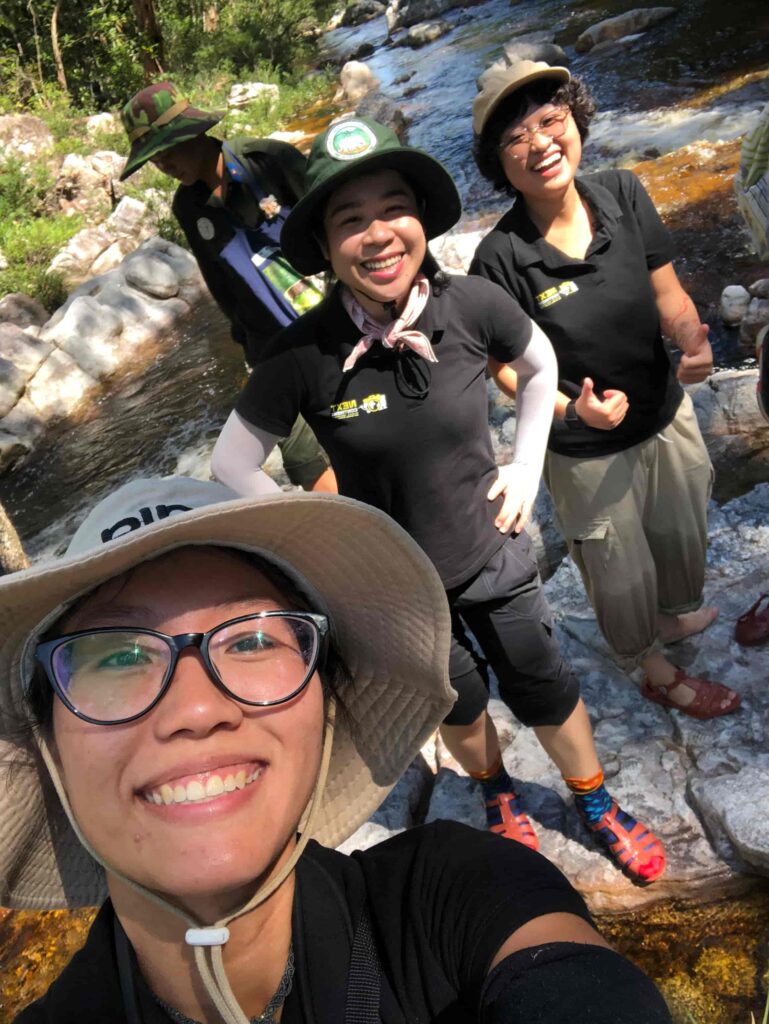
The most interesting stuff happens off-camera
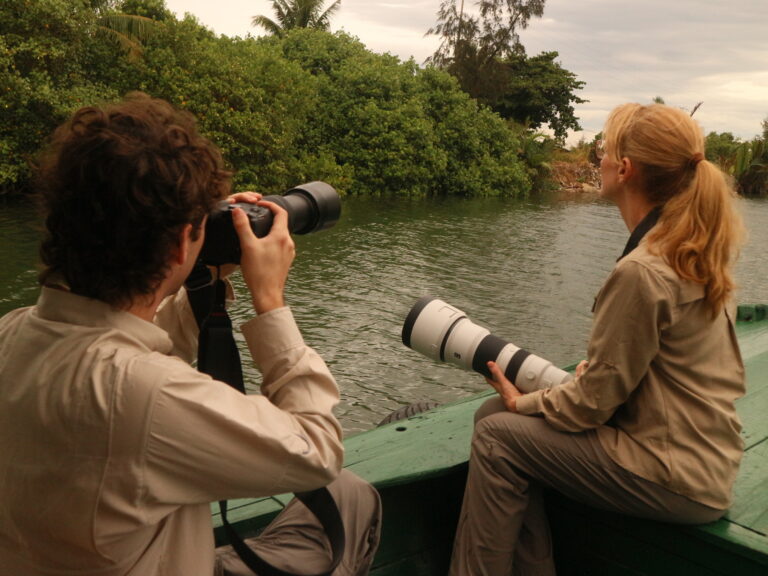
When out in field with the team or on tour, I noticed something interesting: every lens was pointed at the animals, whether it was a bird, snake, monkey or butterfly. I could already imagine myself going home, posting those beautiful shots, and calling it a lovely trip recap, except…it doesn’t tell the whole story.
Nobody was capturing us waking up at 4am, crawling through bushes, bumping down unpaved roads to hidden birding spots, and stuffing bread down our throats and calling it a “meal”. This is the signature of any wildlife experience and the stuff that makes it all so thrilling, so authentic, and so real!
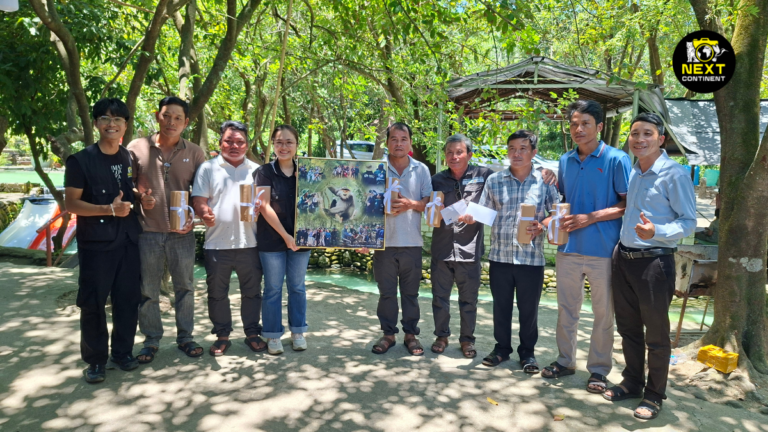
Since then, I started pointing my camera at the people too. The human story around the wildlife is just as worth telling, maybe more so. And yes, the most interesting stuff happens off-camera!
Last words:
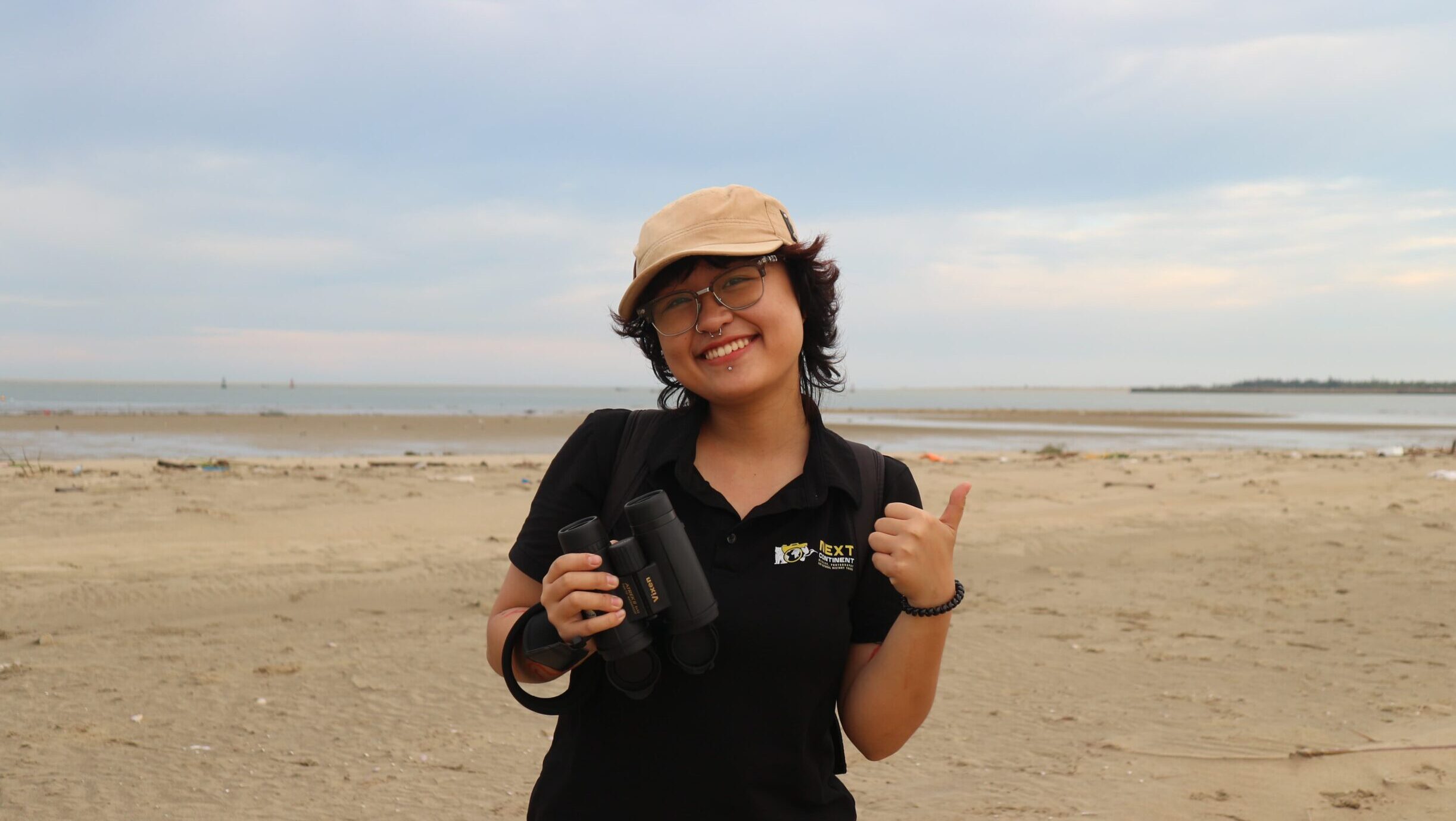
I came to Next Continent knowing nothing about wildlife. And now, as I’m getting ready to leave, I’m carrying with me so many stories, memories, and lessons. They are about honesty in media representation as an ethical wildlife company, about what it means to make something visible, about patience and context, about everything that happens just outside the frame and more than ever, about the people who’re living and devoting their life to the wild.
I appreciate every single moment spent at Next Continent. It’s been perhaps one of the best professional experiences of my life.