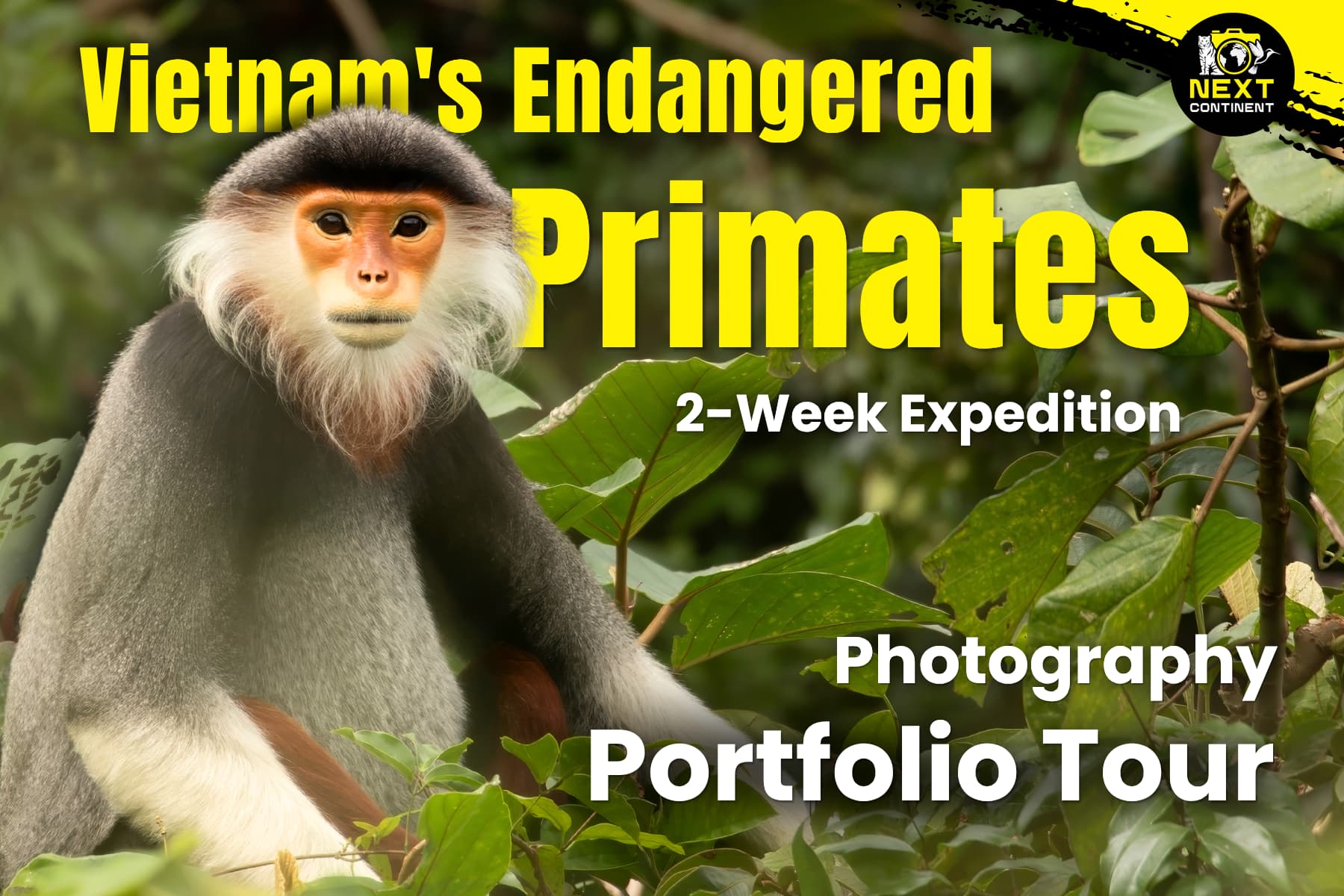


Vietnam’s Endangered Primates: Photography Portfolio Tour
Upcoming Dates:
> 10 Jan – 24 Jan 2027
Join our annual Vietnam primate photography tour, a 15-day expedition designed for serious wildlife photographers seeking exceptional encounters with the rarest primates in Vietnam. Travelling from southern to northern Vietnam, the tour targets more than 16 species, from colourful douc langurs and elusive gibbons to slow lorises, macaques and some of Vietnam’s most endangered monkeys. Led by professional primate photography guides, the expedition prioritises extended observation time, ethical primate watching and the flexibility to photograph changing light, wildlife behaviour and forest conditions. With access to selected conservation areas and specialist wildlife sites, participants can experience the extraordinary diversity of the primates of Vietnam while building a distinctive photographic portfolio.
Details
Summary:
— 15-Day / 14-Night Expedition (All-Inclusive)
— Small Group Tour: 3–5 Participants
— Led by 2x Professional Primate Photography Guides
— Targets 16+ Primates
— Access to Private Sites & Conservation Areas in collaboration Park Authorities
— Annual Departure with Limited Availability
Tour Price: $3,400 USD per person
(£2,510 GBP / €2,925 EUR / $4,710 AUD)
Single Supplement: $546 USD
(£405 GBP / €470 EUR / $755 AUD)
Deposit: 30% of the total tour price is required to secure your booking.
Vietnam’s Endangered Primates: Photography Portfolio Tour
Code: VNGR04 | Categories: Mammal Watching & Primate Tours, Photography-Focused Tours | Locations: Vietnam

Summary:
Join us for our annual Vietnam’s Endangered Primates: Photography Portfolio Tour, a two-week specialist expedition dedicated to photographing the remarkable diversity of primates in Vietnam. Travelling from the forests and coastal limestone habitats of the south to the spectacular karst landscapes of northern Vietnam, the tour targets more than 16 primate species, including some of the world’s rarest and most endangered monkeys and langurs.
Created specifically for experienced wildlife enthusiasts and professional photographers, this is not a conventional primate-watching tour or a race to build the longest species list. The itinerary is designed around photography, with extended field sessions, repeat visits to priority locations and the flexibility to adapt to changing light, weather and animal behaviour. Instead of simply finding each species and moving on, we allow time to photograph different individuals, behaviours, backgrounds and compositions.
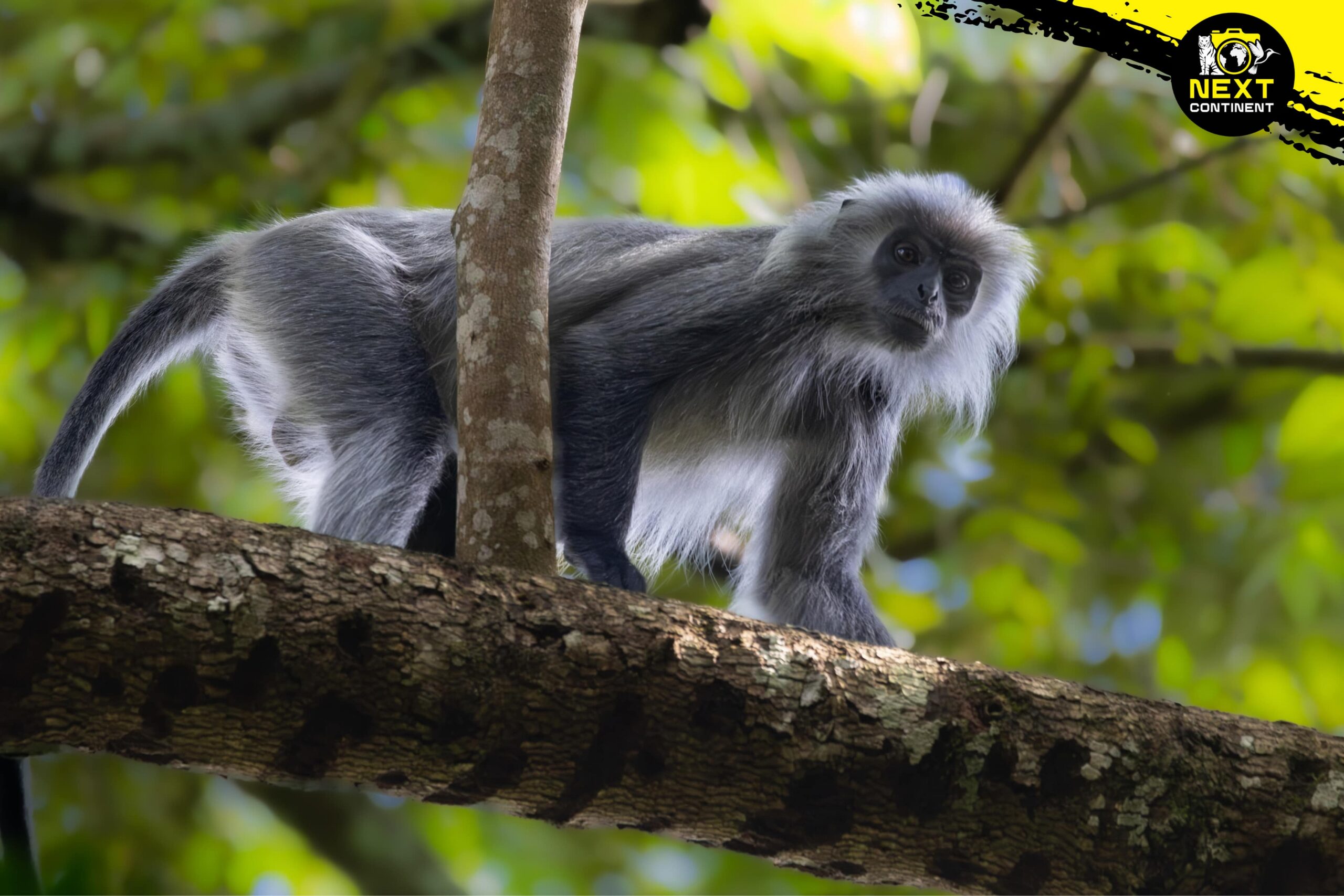
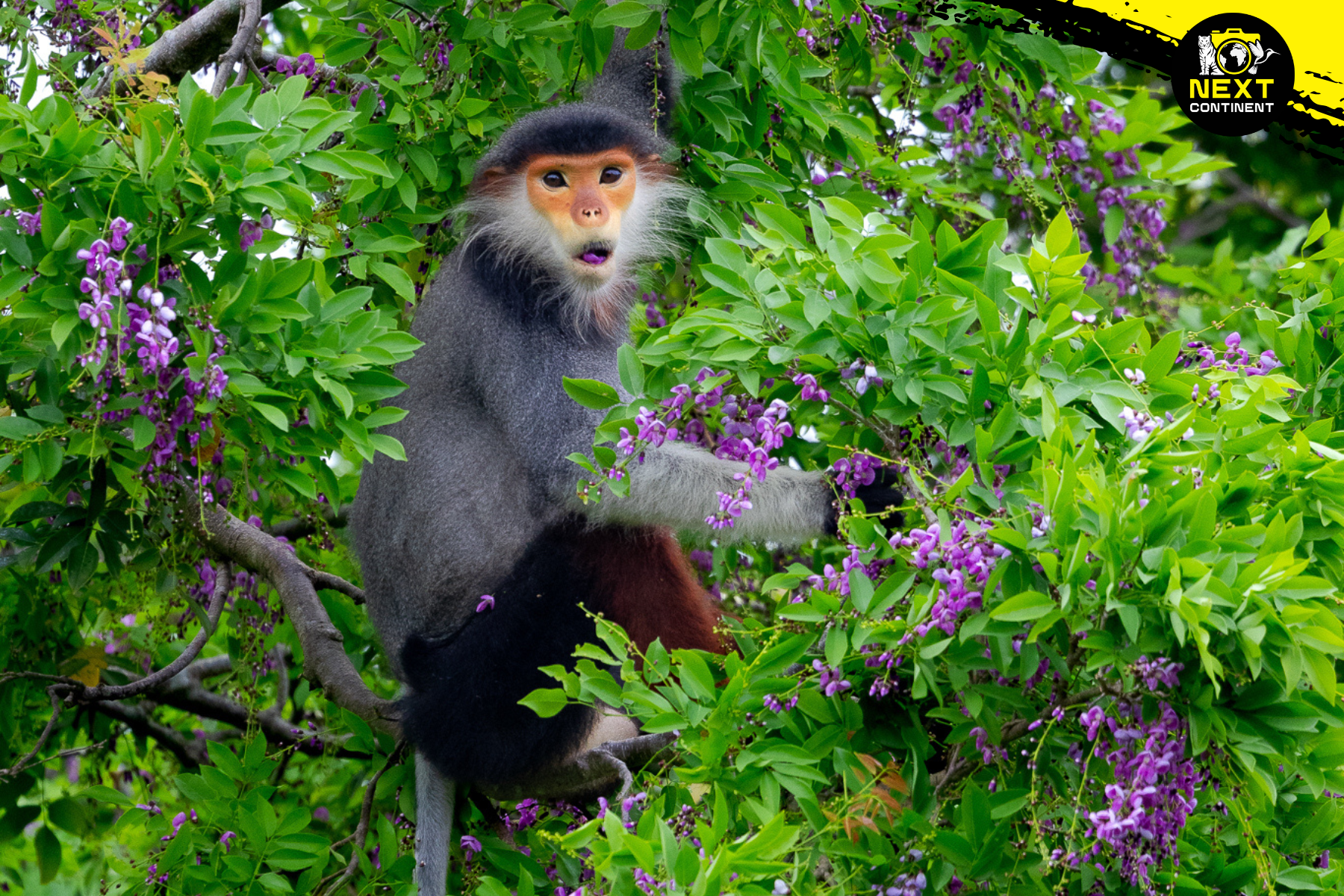
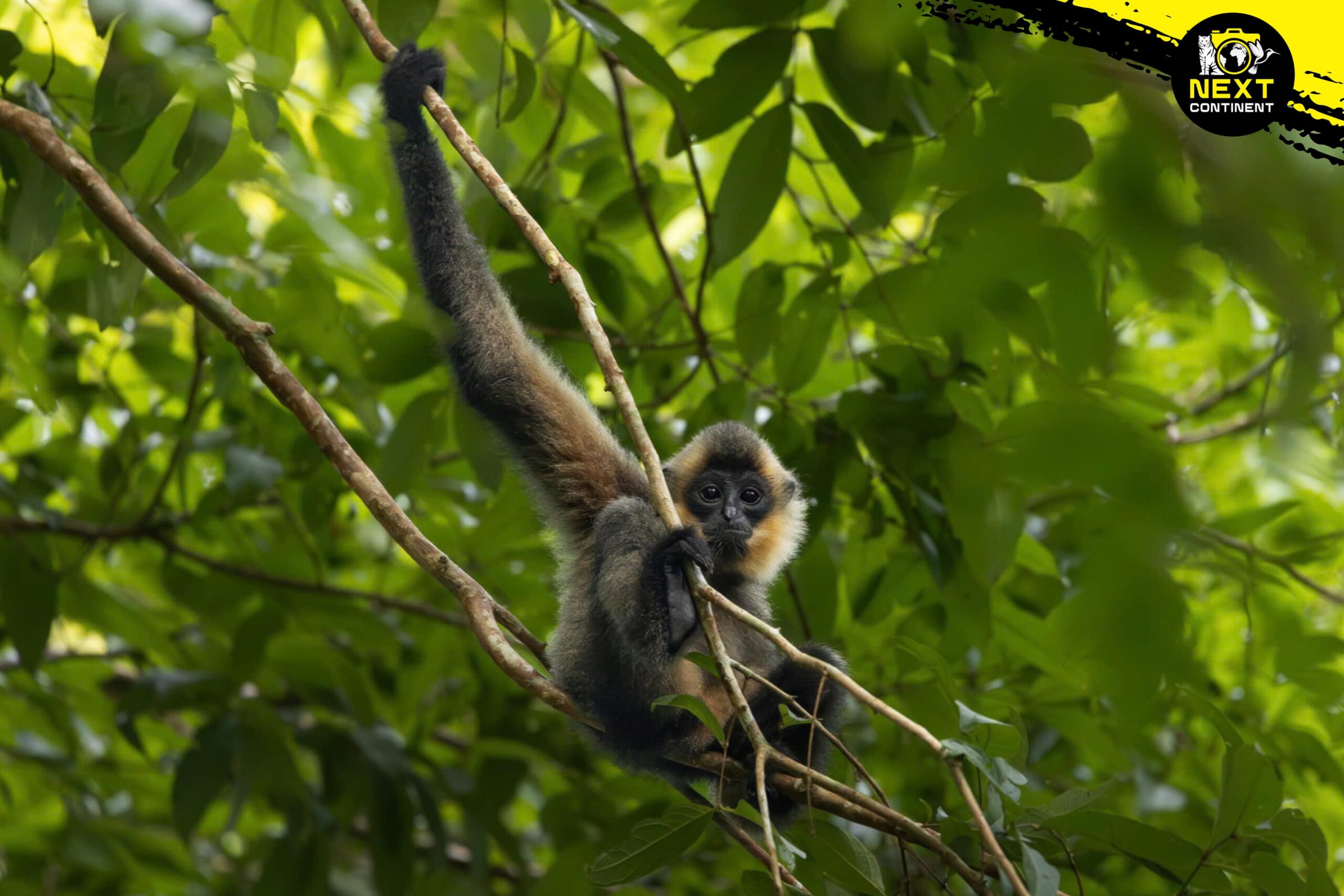
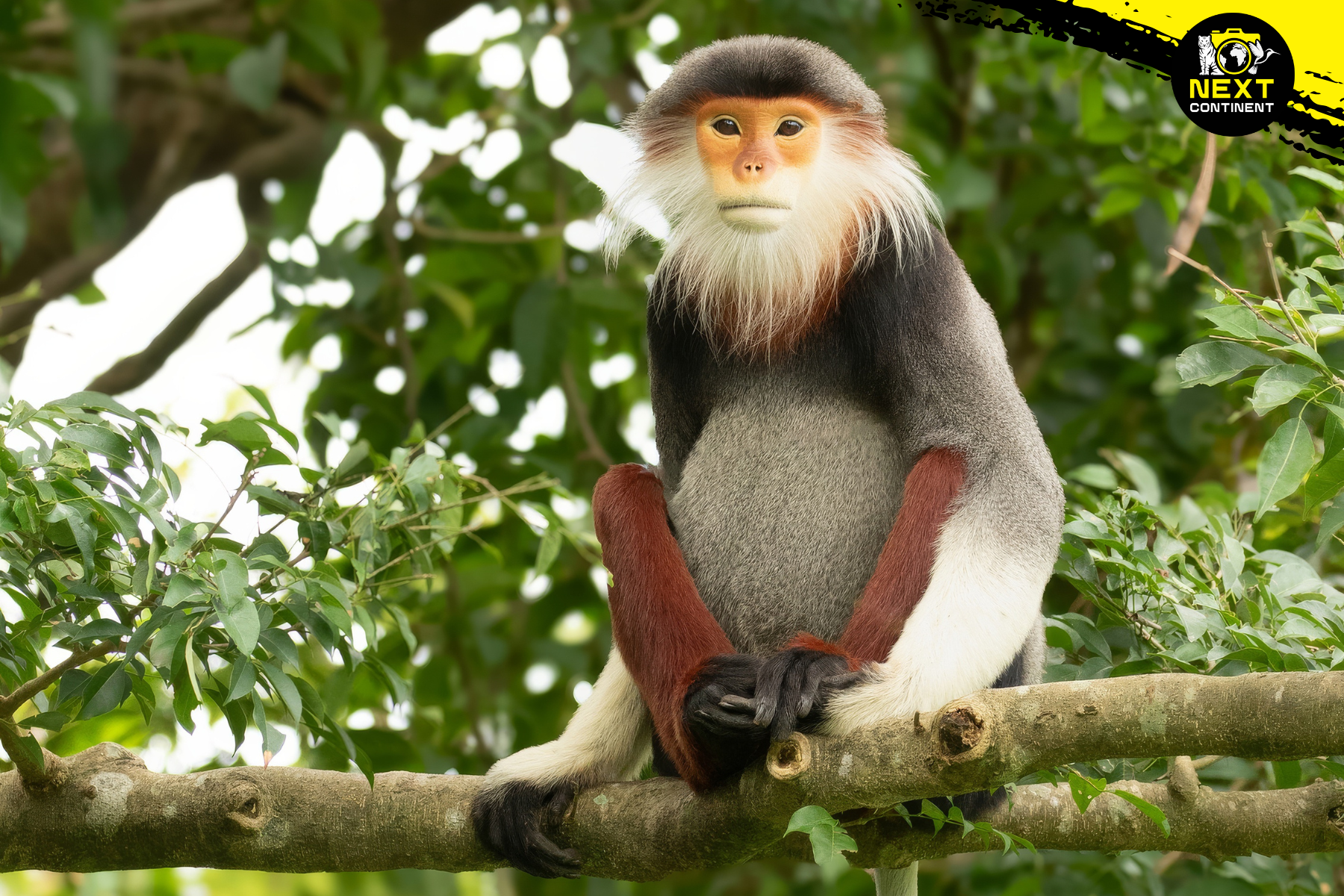
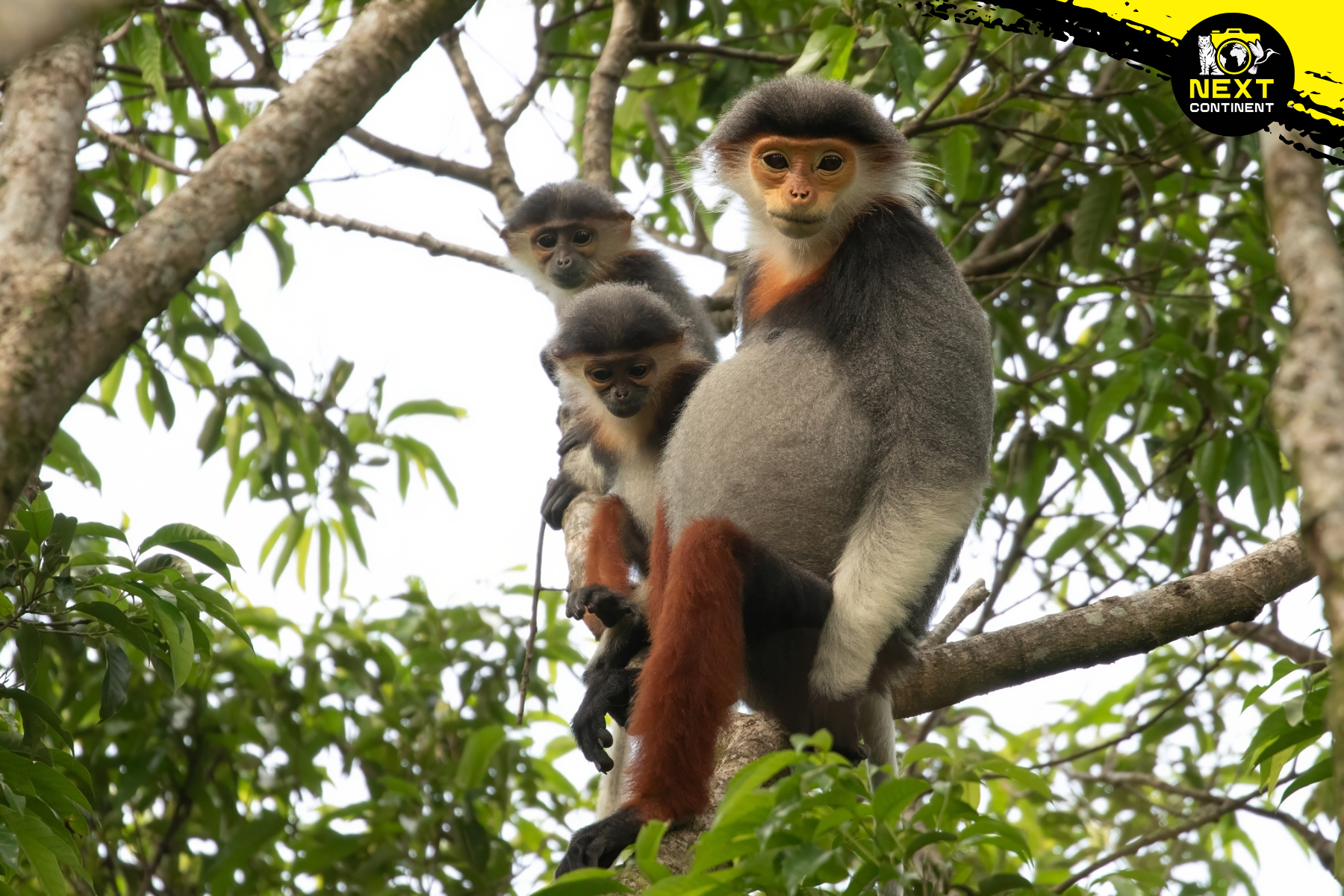
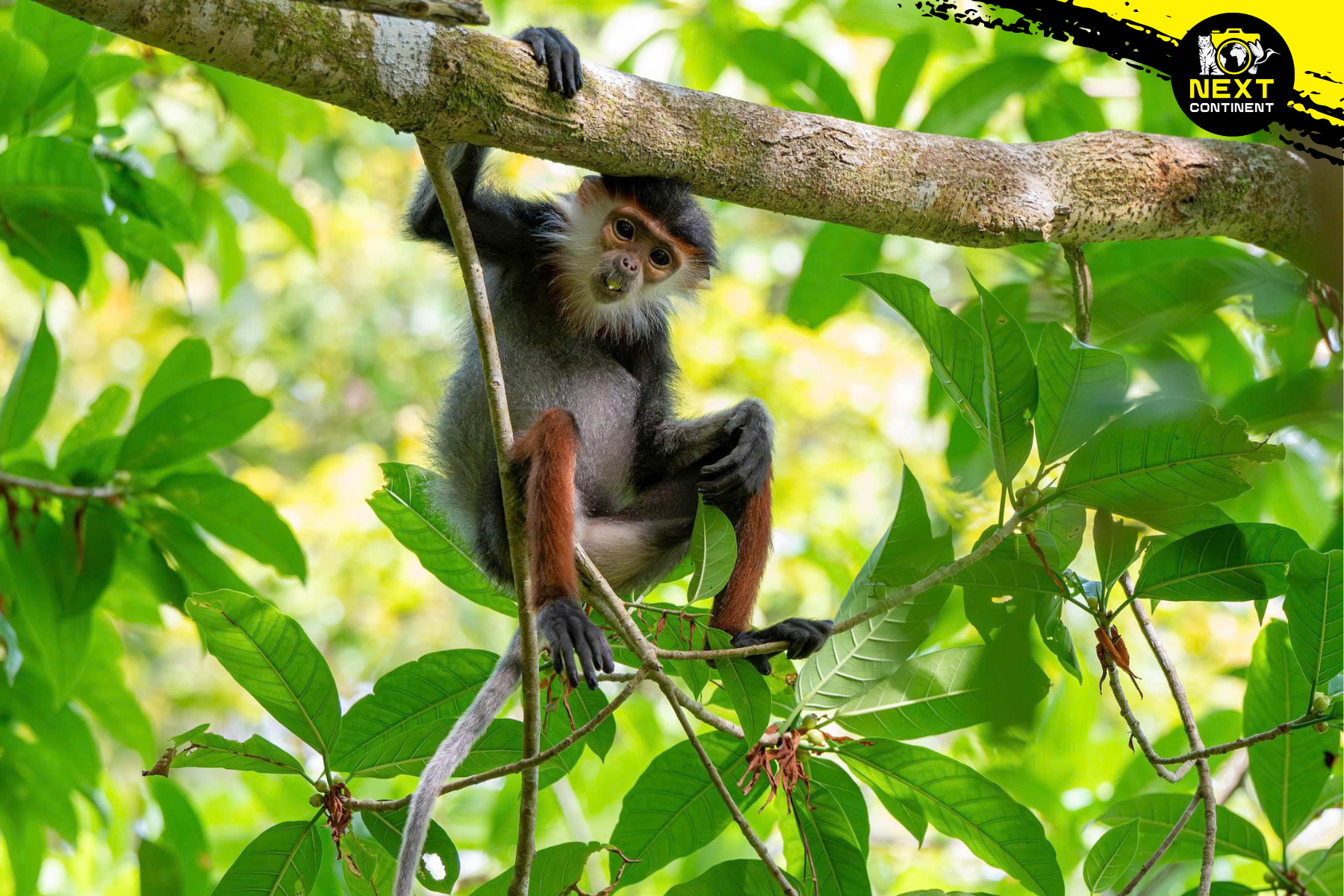
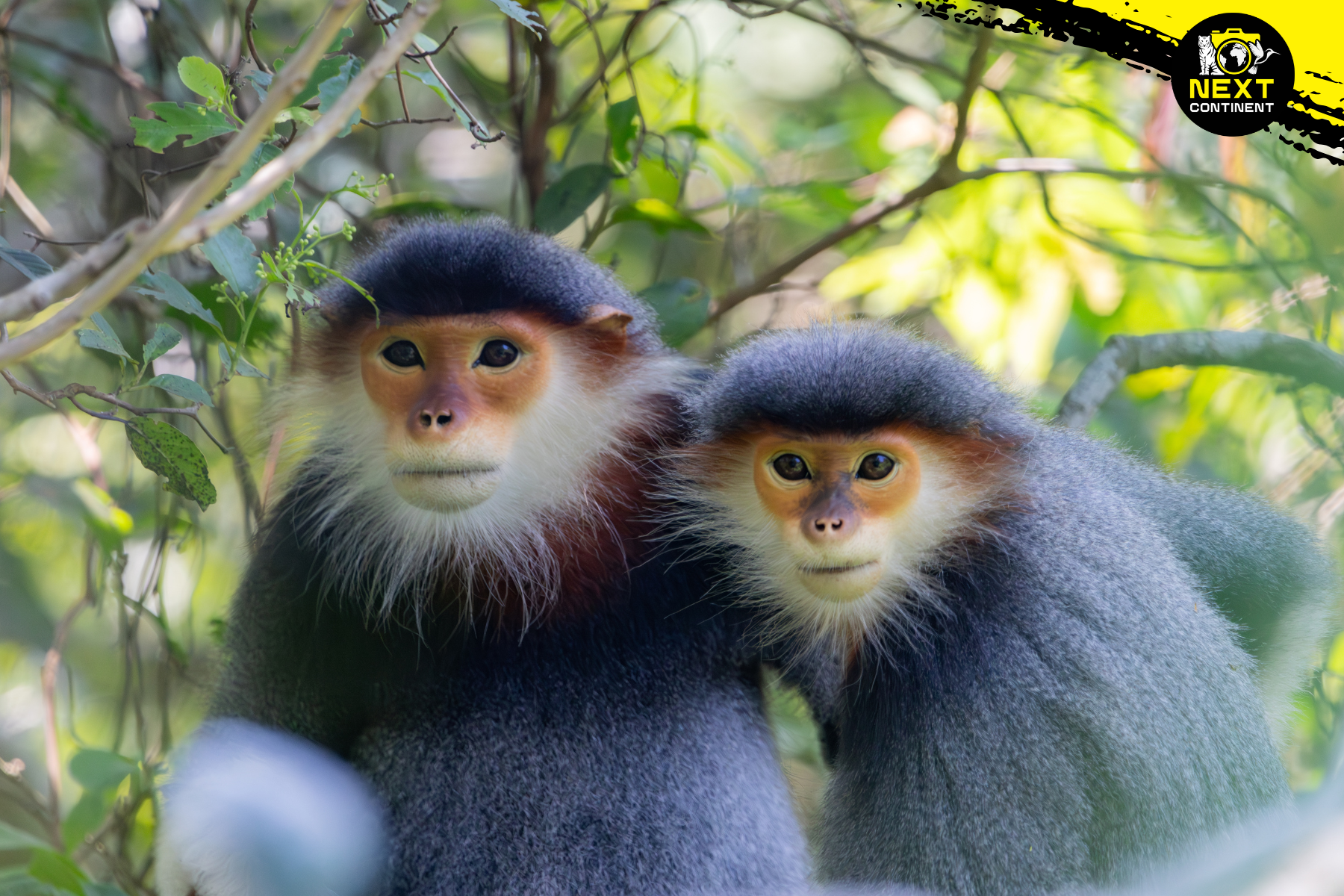
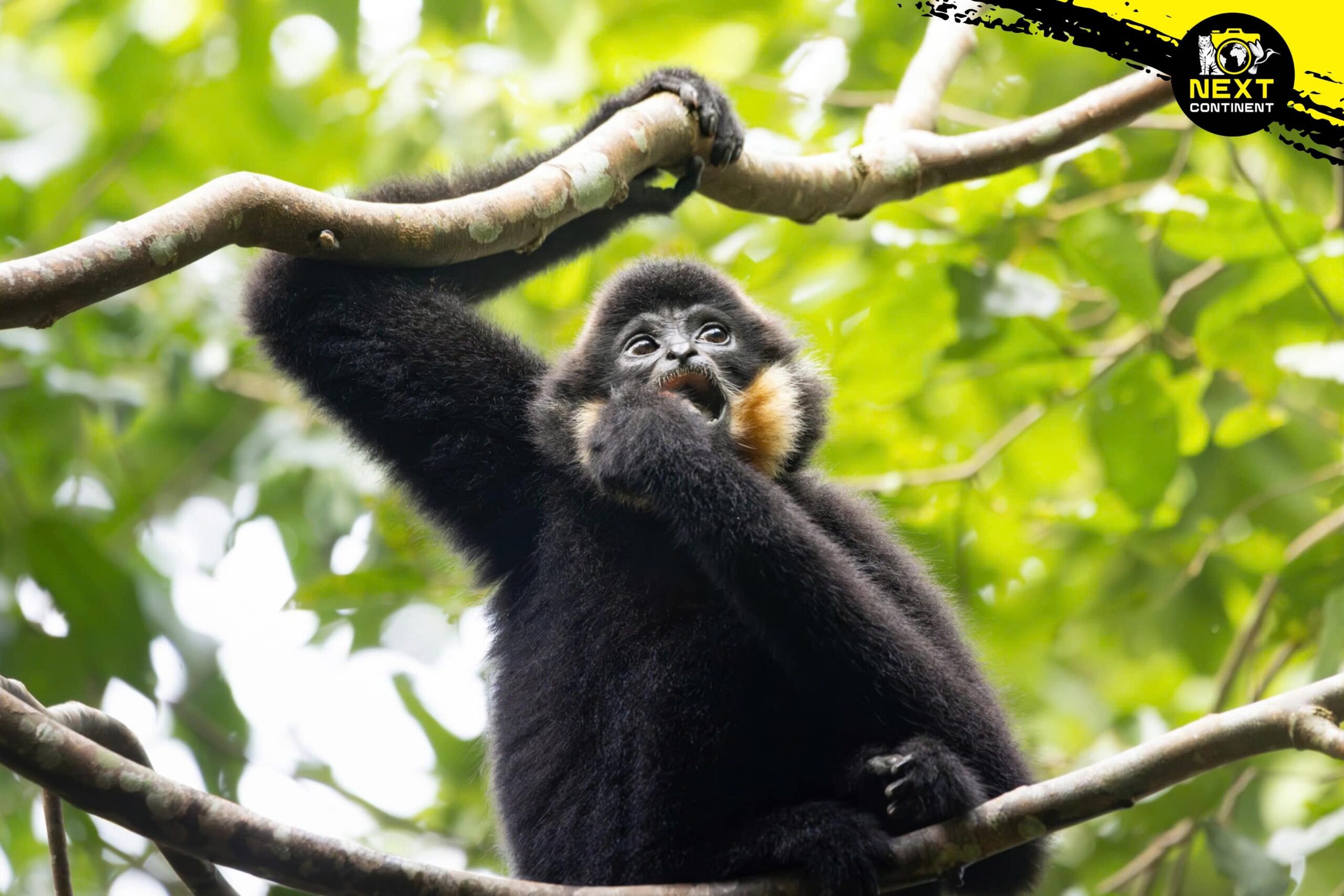
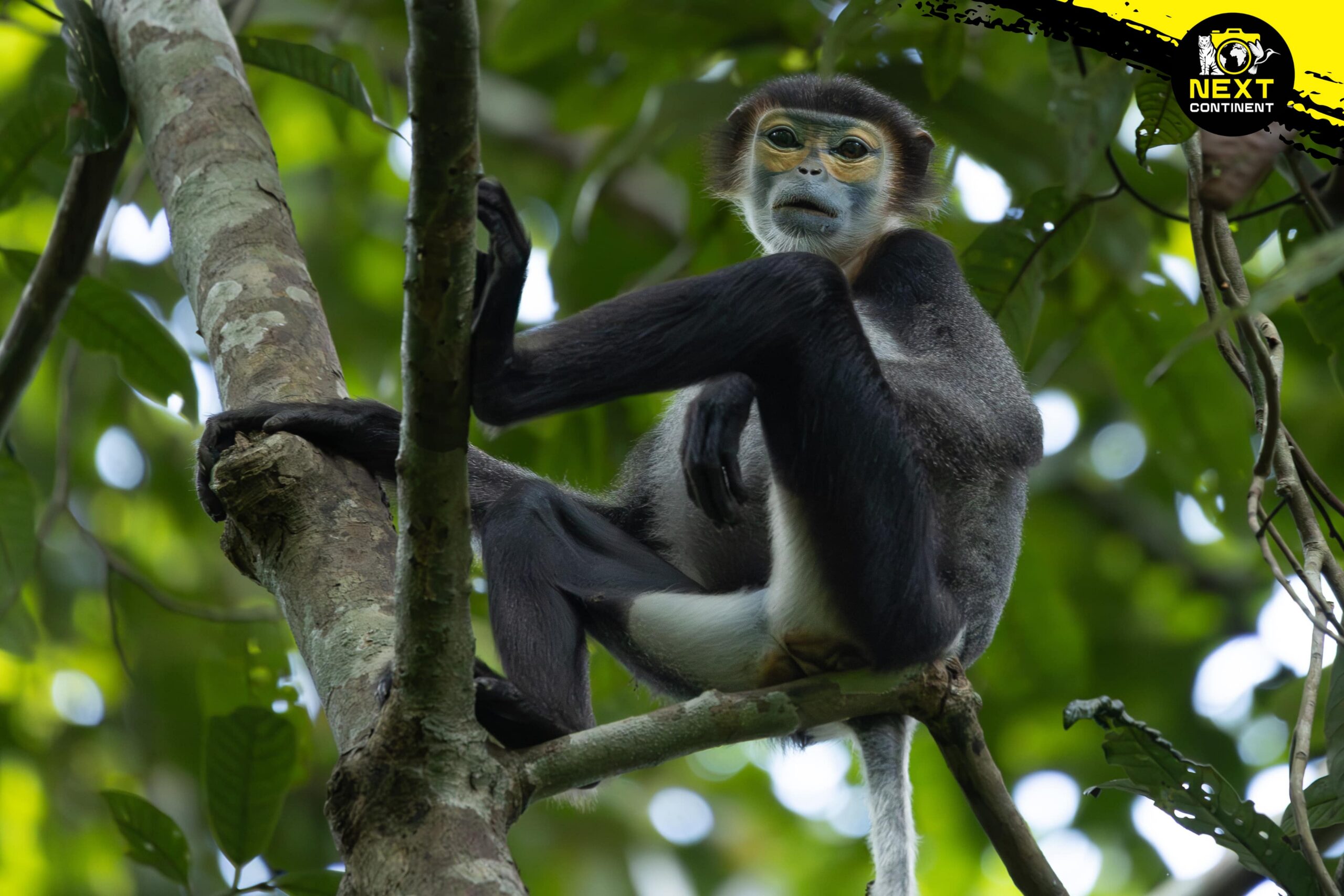
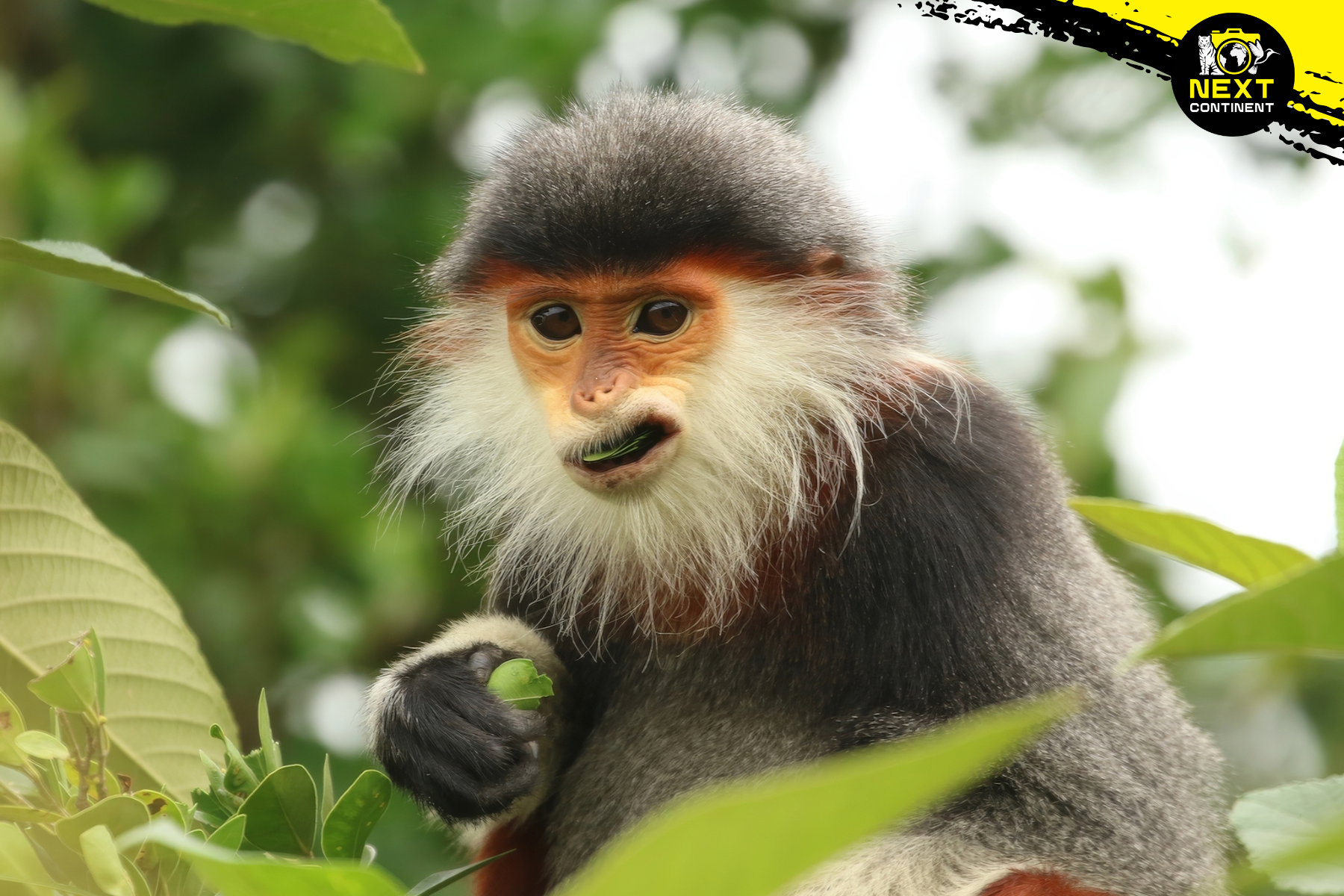
Our principal photography targets include the Indochinese Silver Langur, Annamese Langur, Delacour’s Langur, Hatinh Langur and all three species of douc langur: Red-shanked, Grey-shanked and Black-shanked. We also target Southern Yellow-cheeked and Southern White-cheeked Gibbons, Northern and Southern Pygmy Slow Lorises, and five species of macaque. Dedicated sessions on Sơn Trà Peninsula offer opportunities to photograph the Red-shanked Douc Langur in Da Nang, while Van Long’s karst wetlands provide an important habitat for the endangered Delacour’s Langur.
The expedition travels through an exceptional range of primate habitats, including coastal limestone forest in the Mekong Delta, the tropical forests of Cát Tiên National Park, Sơn Trà Peninsula, the limestone landscapes of central Vietnam, Phong Nha–Kẻ Bàng National Park and the karst wetlands of Van Long. Although we may encounter other wildlife and explore Vietnam’s landscapes and conservation stories along the way, professional-standard primate photography remains the central focus of the journey.
Limited to only 3–5 photographers, the small-group format provides more space to work, greater flexibility in the field and less disturbance around sensitive wildlife. The expedition is fully vehicle-supported, allowing participants to bring professional lenses, multiple camera bodies and other essential equipment. Comfortable hotels and national park accommodation are selected to keep us close to the principal photography locations, while the itinerary balances intensive field sessions with appropriate rest during quieter periods of the day.
Led by a specialist primate photography guide and supported by a second team member for tracking, positioning and field logistics, this expedition is built for photographers seeking more than brief sightings or simple record shots. The goal is not only to see the extraordinary primates of Vietnam, but to return home with a diverse and carefully considered photographic portfolio.
Itinerary
Day 0: Arrive in Ho Chi Minh City
Arrive in Ho Chi Minh City and transfer to our hotel, where we have arranged your accommodation. The afternoon is free to settle in, unpack and prepare photography equipment and rest ahead of the expedition. At 17:30, we’ll meet as a group for the first time and enjoy a welcome dinner together, giving you a chance to meet your guides and fellow photographers and run through the tour ahead. This first welcome dinner is on us. If you need assistance with your airport transfer, just let us know and we’ll be happy to arrange it.
Overnight: Ho Chi Minh City
Day 1: Ho Chi Minh City > Kien Giang (Mekong Delta)
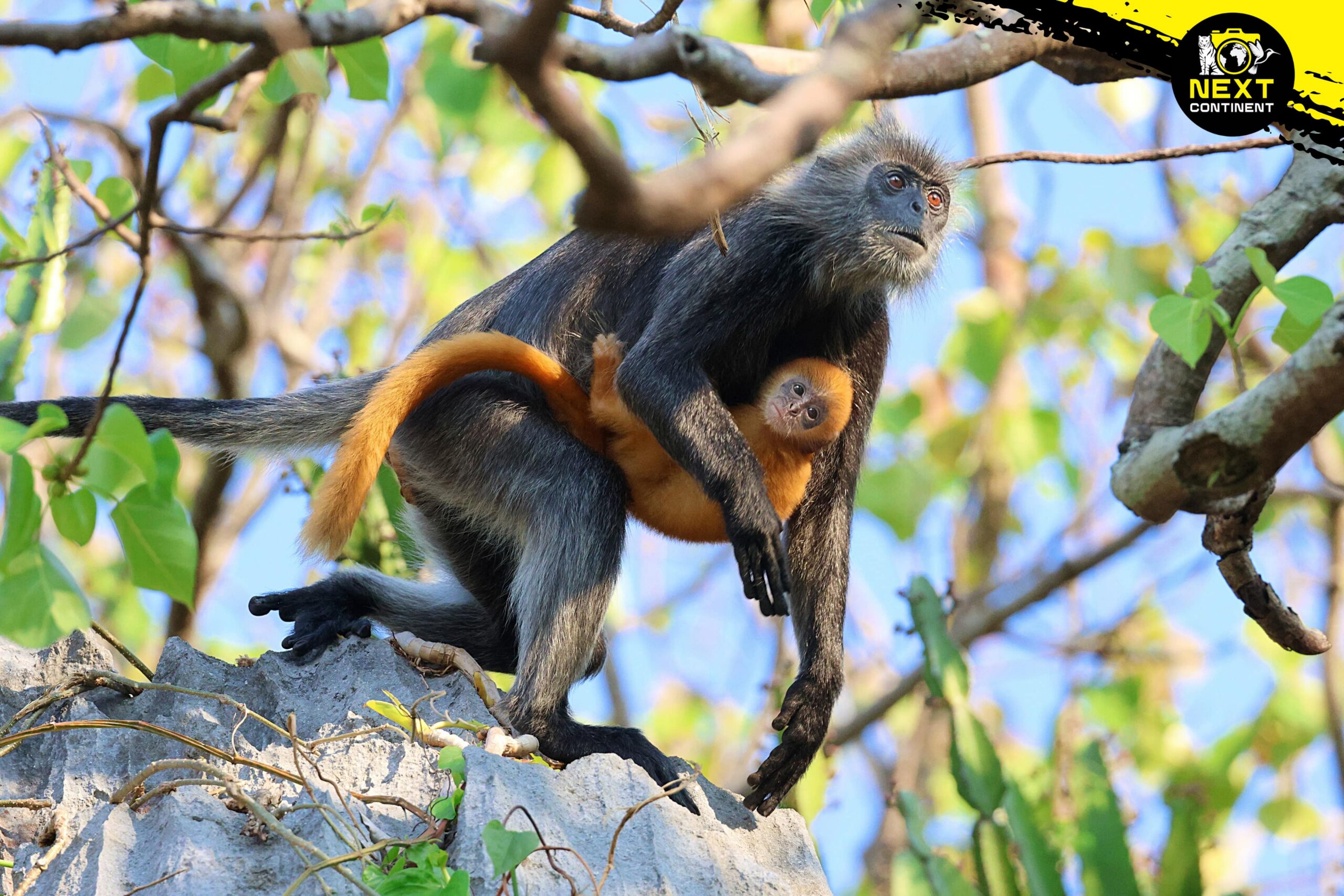
After breakfast, we’ll leave Ho Chi Minh City and travel southwest into the Mekong Delta, continuing to Kien Giang and one of the most distinctive primate habitats of the expedition. After checking into our accommodation, we’ll head out for our first photography session with Indochinese Silver Langur, working through the afternoon and into the golden-hour light amongst the region’s coastal limestone forest. This is our first opportunity to settle into the slower photographic pace of the tour, spending time with the langurs rather than simply locating them and moving on.
Overnight: Kien Giang
Day 2: Indochinese Silver Langur Photography
Today is dedicated entirely to Indochinese Silver Langur photography. We’ll have a full, unhurried day to work with this highly localised primate within its distinctive coastal limestone habitat, allowing us to concentrate on different individuals, behaviours, compositions and changing light throughout the day. The site involves relatively short and manageable walks, and our schedule will remain flexible around the langurs and photography conditions. There is no need to rush between locations; if we find a particularly productive group or photographic situation, we can simply stay and work it.
Overnight: Kien Giang
Day 3: Kien Giang > Ho Chi Minh City > Vung Tau
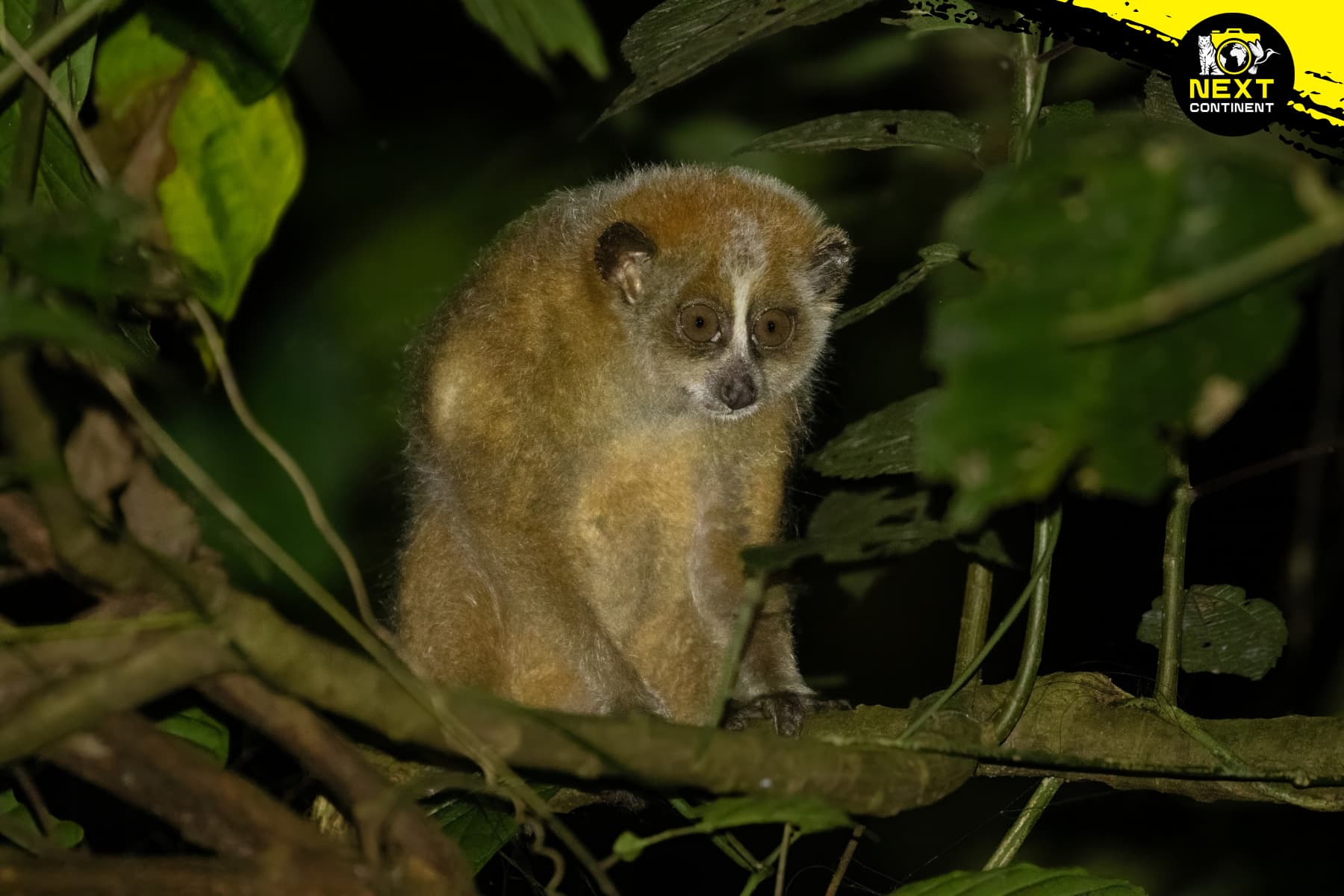
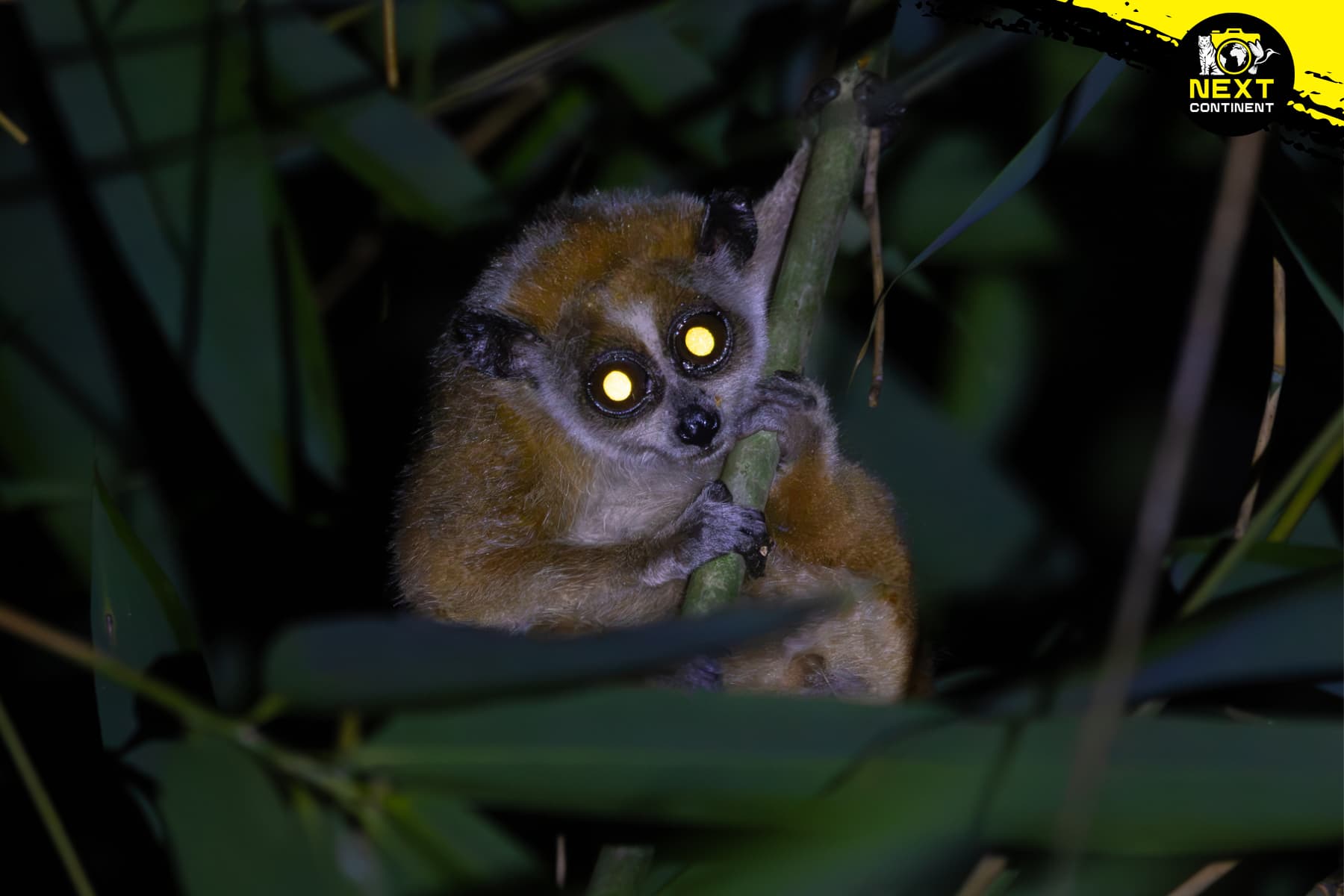
Time allowing, we may have one final morning with the Indochinese Silver Langur, before begin the journey east, passing back through Ho Chi Minh City and continuing to Vung Tau. Following check-in and an early dinner, we’ll head out for some spotlighting around Nui Dinh in our private spots, with our principal target being Southern Pygmy Slow Loris. Photographing nocturnal primates presents a very different challenge, and all spotlighting and photography will follow our usual low-impact nocturnal wildlife protocols. A typical night will have us encounter 3-6 animals, so we’ll be taking our time to get high quality photo encounters.
Overnight: Vung Tau
Days 4–6: Cat Tien National Park
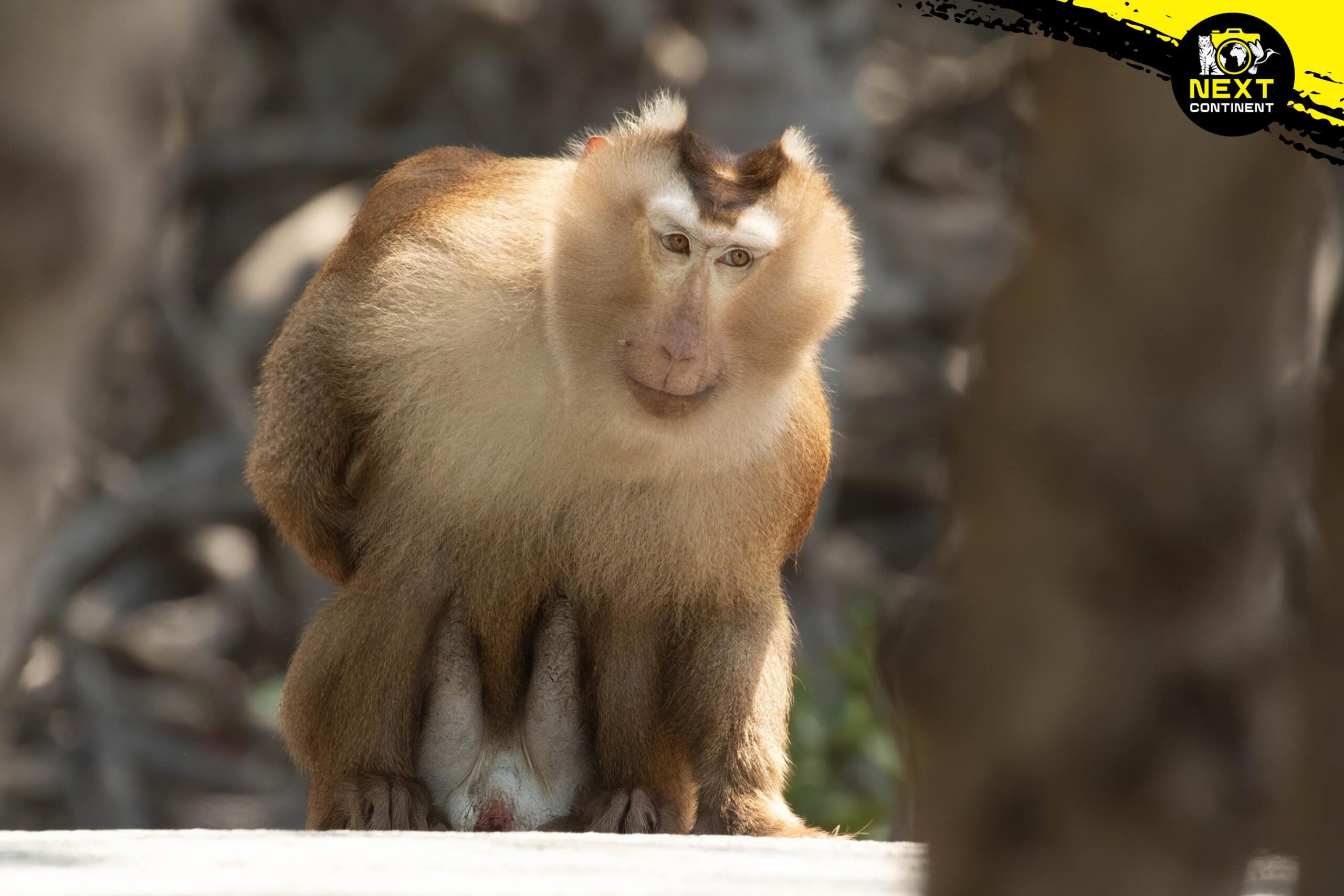
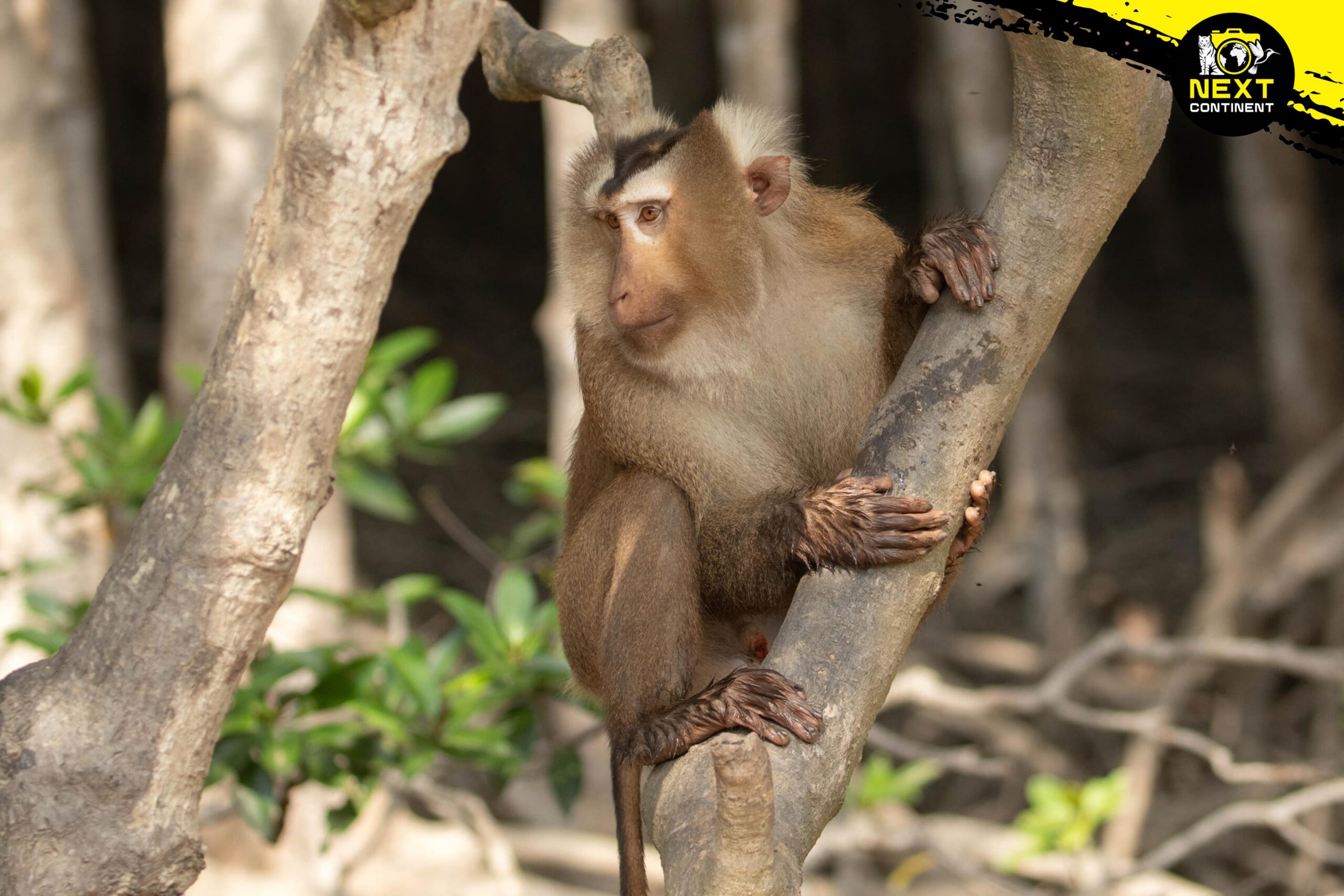
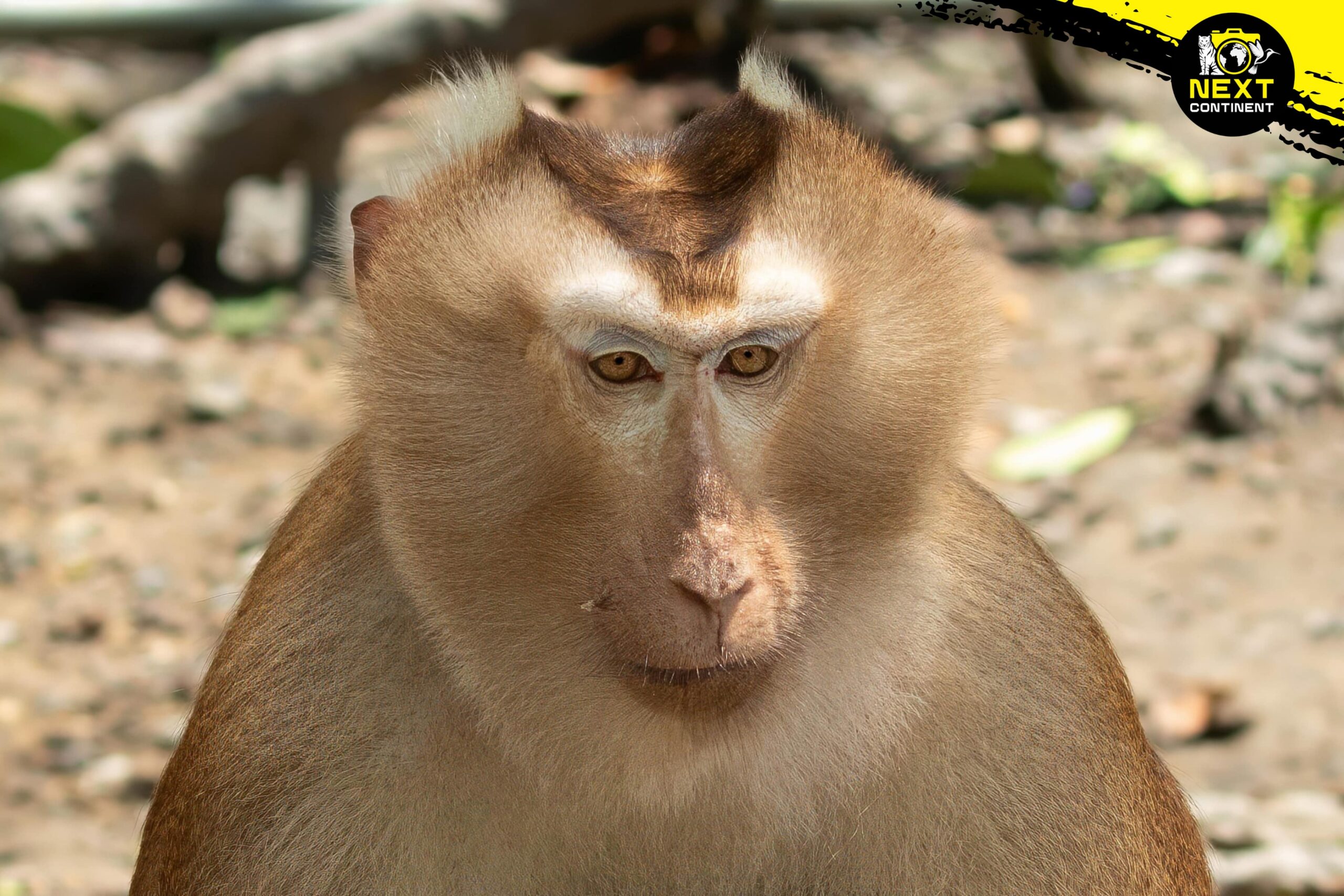
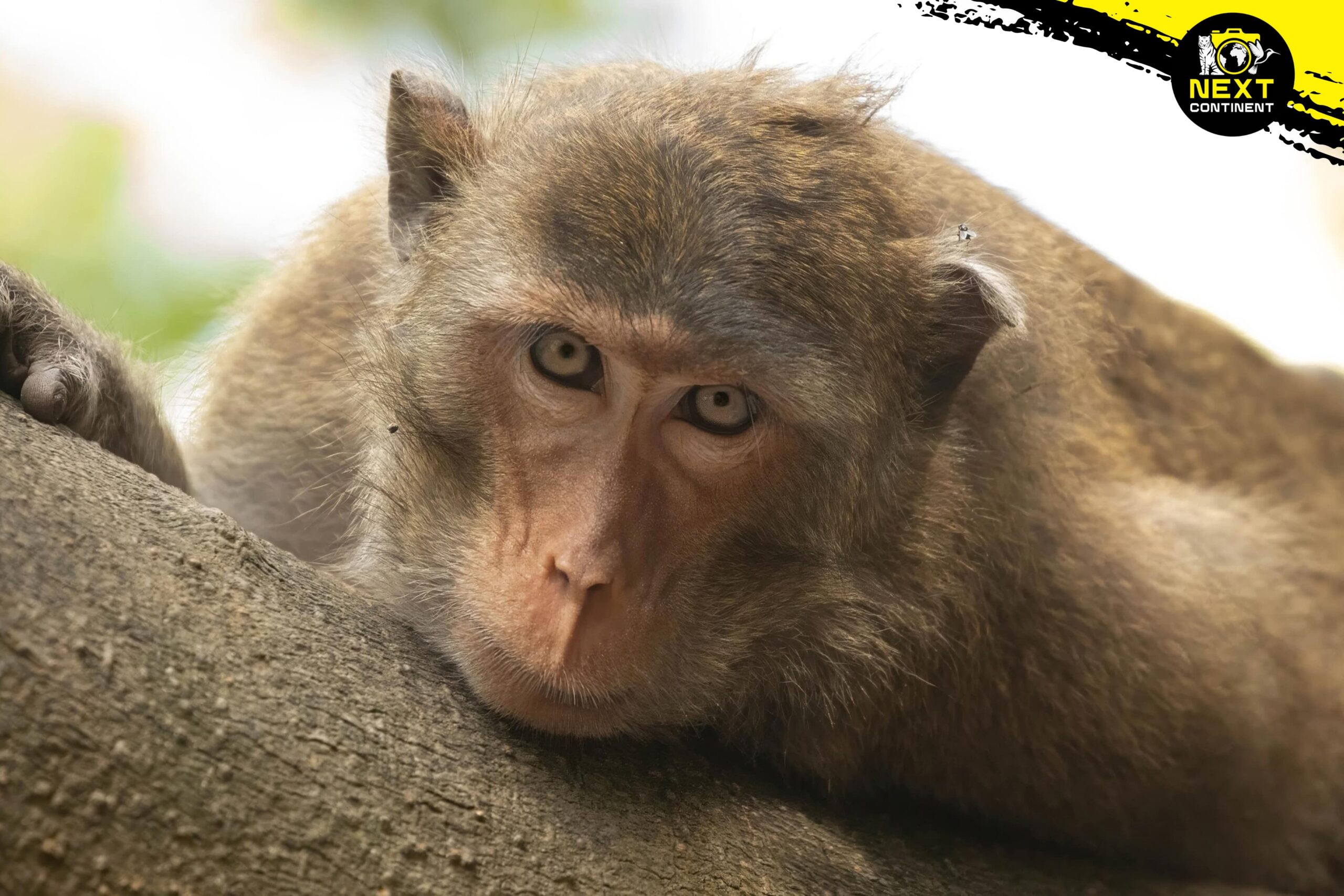
We’ll transfer to Cat Tien National Park, Vietnam’s premier wildlife destination, where we’ll spend three nights inside the national park. Cat Tien provides our greatest concentration of primate targets on the expedition, with Southern Yellow-cheeked Gibbon, Black-shanked Douc Langur, Annamese Langur, Northern Pig-tailed Macaque, Common Long-tailed Macaque and Southern Pygmy Slow Loris as our chief targets. Unlike a conventional mammal-watching visit, our priority here is not simply to record all six species as quickly as possible. We’ll work at a slower photographic pace, revisiting productive areas and spending extended periods with particular groups when conditions are good. Our daily schedule will remain flexible around primate activity, weather and light, with midday downtime where appropriate. Staying inside the national park gives us immediate access to the forest without lengthy daily transfers. We’ll also include two optional nights of spotlighting and a jeep safari, while quieter periods can be used for rest or optional bird-hide photography.
Overnight: Cat Tien National Park – Headquarters Accommodation
Day 7: Cat Tien > Ho Chi Minh City > Da Nang > Tam Ky
We’ll spend our final morning in Cat Tien making the most of any remaining primate photography (usual with the gibbons) opportunities before travelling back to Ho Chi Minh City for our flight north to Da Nang. Upon arrival, we’ll visit Next Continent headquarters for a group dinner hosted by our team, featuring a traditional Hoi An-style spread. Afterwards, we’ll continue south to Tam Ky, positioning ourselves close to the following morning’s photography location.
Overnight: Tam Ky
Day 8: Tam My – Grey-shanked Douc Langur
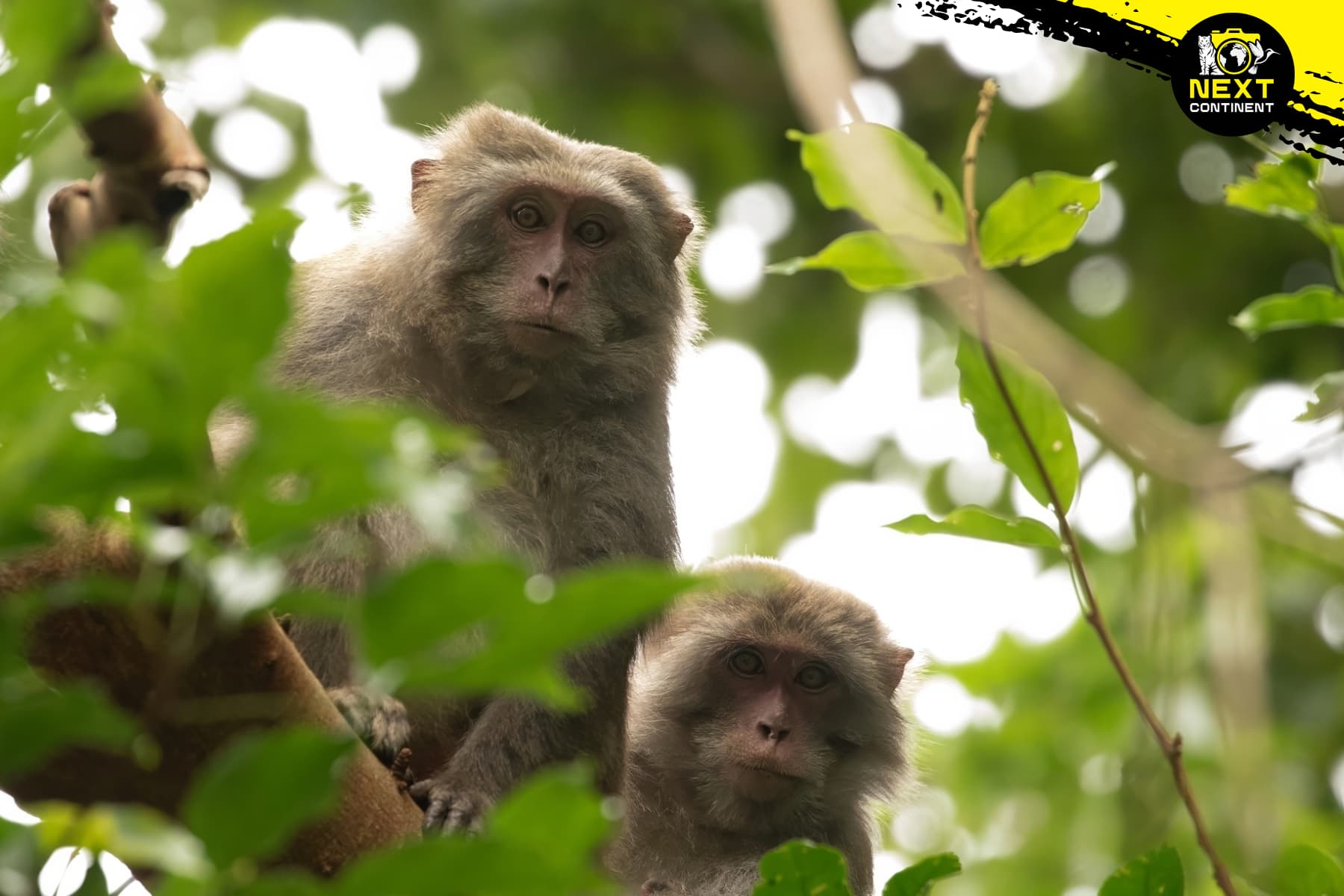
Today is dedicated to one of the most important primates of the expedition, the critically endangered Grey-shanked Douc Langur. We’ll spend the day around Tam My working to locate and photograph the langurs in collaboration with the local conservation team. Rather than treating this as a brief encounter, we have set aside the day to give photographers time to work with available groups, behaviour, backgrounds and changing light. This is also an opportunity to learn more about the conservation of one of Vietnam’s most threatened endemic primates and the community efforts helping to protect it. Additionally, we sometimes also get great opportunities with Northern Pig-tailed Macaque whilst tracking the Grey-shanks. In the late afternoon, we’ll return to Da Nang for a well-earned evening off.
Overnight: Da Nang
Day 9: Son Tra Peninsula – Red-shanked Douc Langur
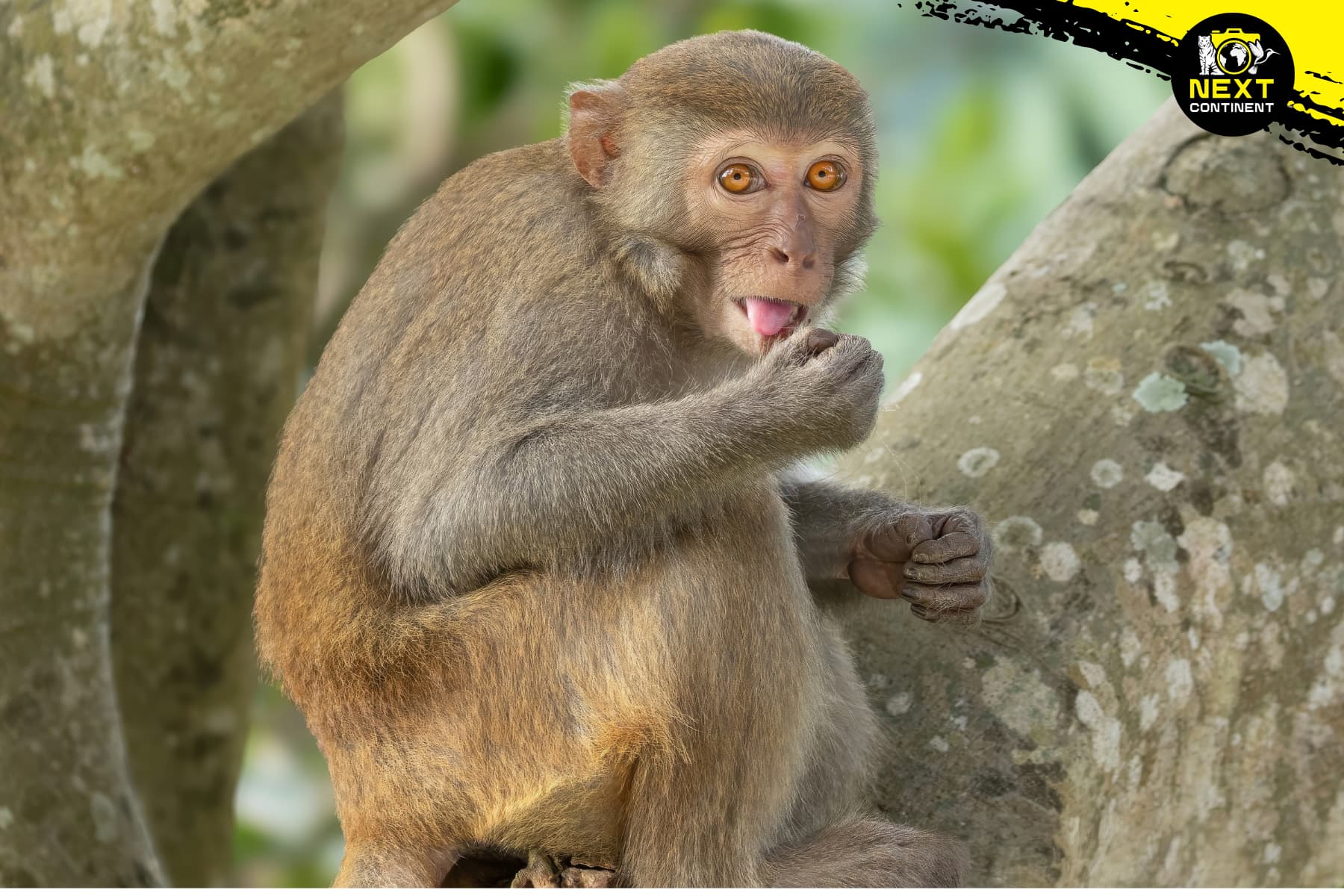
A full day on the Son Tra Peninsula dedicated to one of Asia’s most spectacular primates, the Red-shanked Douc Langur. Son Tra offers some of the finest primate photography opportunities anywhere in Vietnam and today is deliberately kept free of other major targets or transfers. We will also encounter Rhesus Macaque whilst working with our Red-shanked, giving us two new primate targets for the day. We’ll structure the day around the best periods of activity and photographic light, working slowly with different troops and individuals where possible. With an entire day available, there is time to explore portraits, wider environmental compositions, family interactions and behavioural photography rather than concentrating on a single encounter.
Overnight: Da Nang
Day 10: Son Tra Peninsula > Phong Nha-Ke Bang National Park
We’ll return to Son Tra for a second morning with the Red-shanked Douc Langurs. Having another dedicated session gives us the opportunity to revisit productive groups, work under different light and conditions, and concentrate on images or behaviours we may have missed the previous day. After our morning session, we’ll leave Da Nang and travel north through Central Vietnam to Phong Nha-Ke Bang National Park, where we begin the northern section of the expedition.
Overnight: Phong Nha
Day 11: Phong Nha-Ke Bang National Park
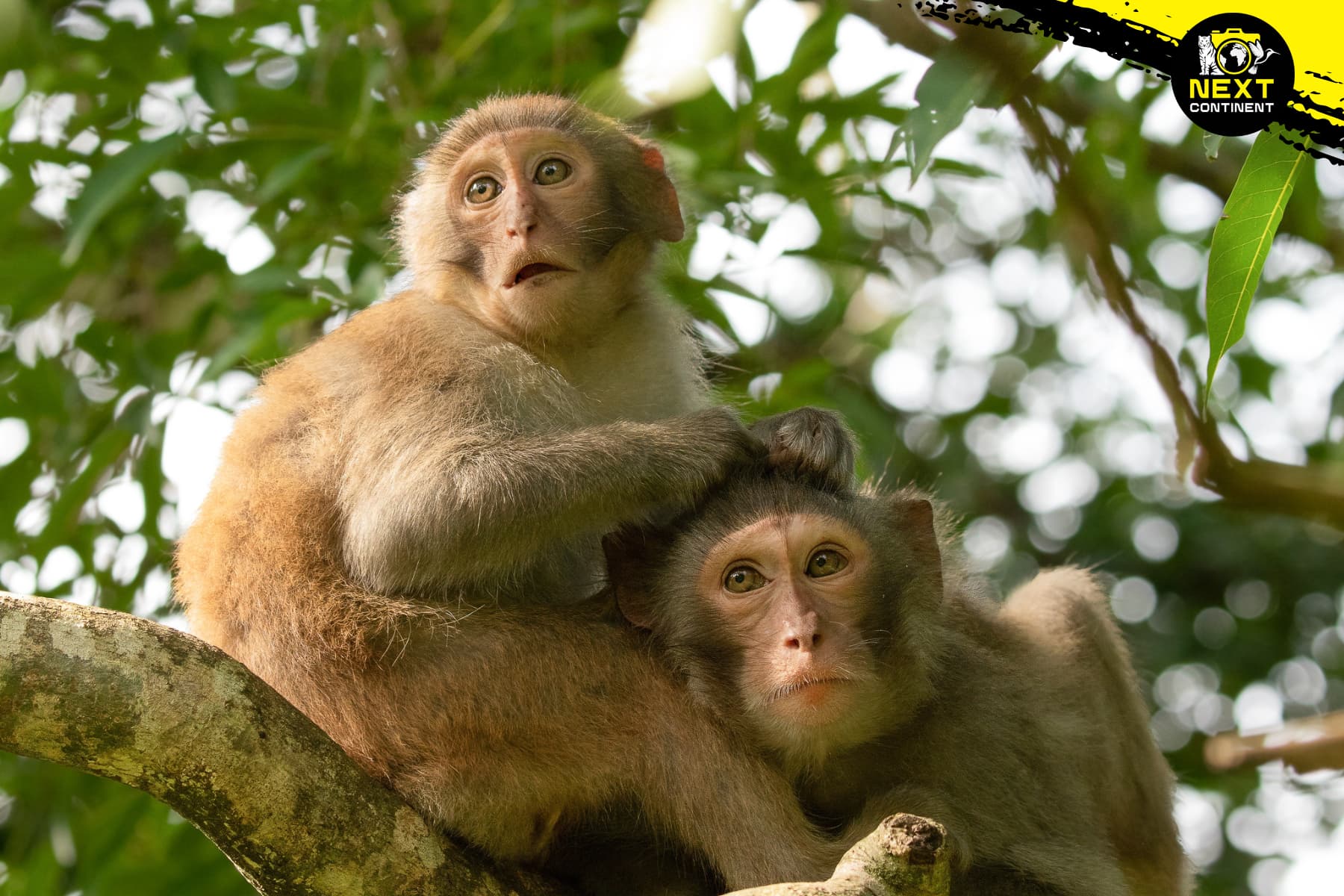
Today we explore the forests and dramatic limestone landscapes of Phong Nha-Ke Bang National Park, one of the most important primate habitats on the tour. Our principal targets include Southern White-cheeked Gibbon, Red-shanked Douc Langur, Hatinh Langur, Stump-tailed Macaque and Assamese Macaque. The Southern White-cheeked Gibbon is particularly challenging and will require an early start, while the remainder of the day will stay flexible around recent sightings and primate activity. Photography here can be more challenging than at some of our dedicated langur sites, but the diversity of primates and wild forest setting make Phong Nha an important part of the expedition.
Overnight: Phong Nha
Day 12: Dong Le – Hatinh Langur > Cuc Phuong National Park
This morning we’ll travel to the Dong Le area for a dedicated session with the highly localised Hatinh Langur. Here, the langurs inhabit spectacular limestone karst, creating some very different photographic opportunities from the forest primates encountered earlier in the tour. Today we’ll be working alongside our partners at the Hatinh Langur Conservation Community (HTX Bảo tồn Voọc Gáy Trắng), allowing for exceptional and ethical encounters while directly supporting one of Vietnam’s most valuable community-led primate conservation initiatives. We’ll spend the morning working with the langurs before beginning our journey north to Cuc Phuong National Park. After a long drive, checking in and having dinner, there will be a spotlighting session targeting Northern Pygmy Slow Loris, our second slow loris species of the expedition.
Overnight: Cuc Phuong National Park
Day 13: Van Long – Delacour’s Langur > Cuc Phuong
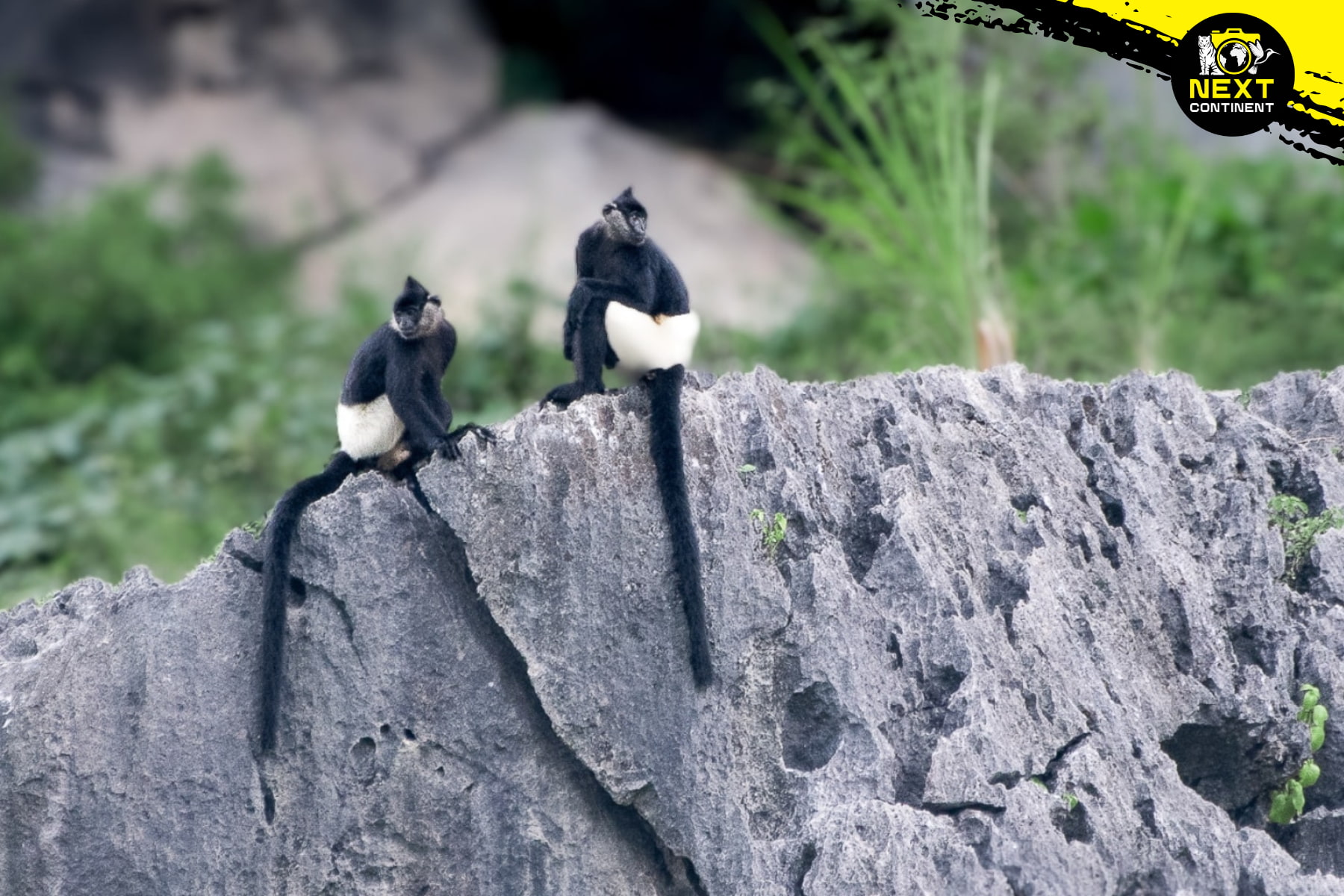
We’ll make an early departure for Van Long Nature Reserve, home to one of the world’s rarest primates and one of the photographic highlights of the expedition: the critically endangered Delacour’s Langur. The combination of these striking black-and-white langurs and Van Long’s immense limestone karst creates some of the most distinctive primate photography opportunities in Vietnam. We’ll dedicate the morning to working with the langurs and the landscape before returning to Cuc Phuong later in the day. After dinner back in Cuc Phuong NP, we’ll have a second optional spotlighting session for Northern Pygmy Slow Loris, giving us another opportunity if conditions or photography were not ideal on the previous night.
Overnight: Cuc Phuong National Park
Day 14: Delacour’s Langur > Hanoi
For our final morning, we’ll return to the Van Long area for a second dedicated session with Delacour’s Langur. This repeat visit is intentional: rather than relying on a single encounter, we have another opportunity to work with different groups, changing light, behaviour and compositions amongst the limestone landscape. After the morning photography session, we’ll have lunch and begin our transfer to Hanoi, bringing our two-week journey through Vietnam’s endangered primates to an end.
Target Species Summary
We’ve put together a detailed list of key target species, each annotated with their likelihood of being photographed (and to what standard) on this tour. We know how frustrating it can be to plan a trip without a clear idea of what’s realistically possible, especially when it comes to rare or elusive species. This guide is designed to help set expectations and make your planning easier and more informed.
- Southern Pygmy Slow Loris – Reliable, very good to excellent photography
- Northern Pygmy Slow Loris – Reliable, very good to excellent photography
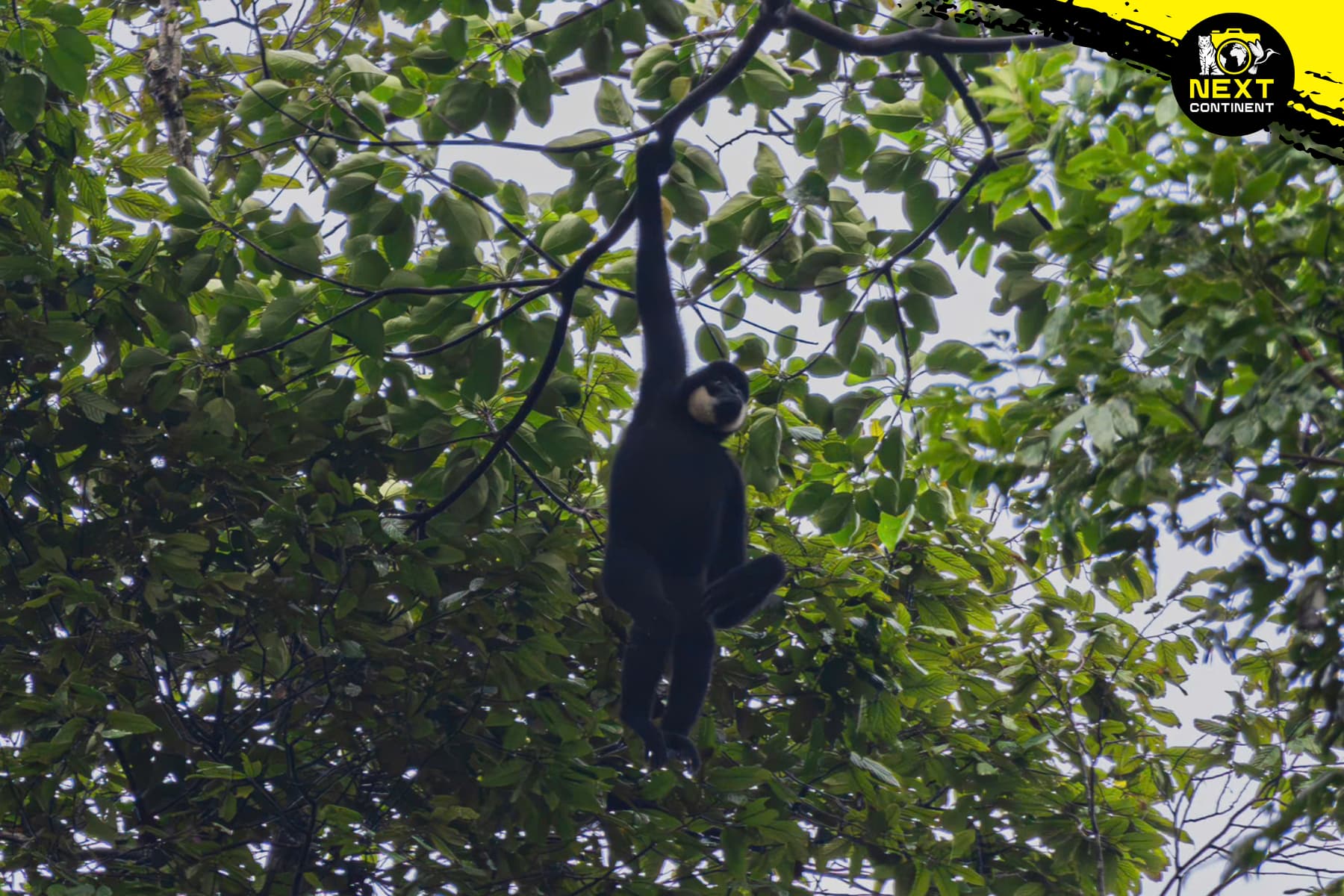
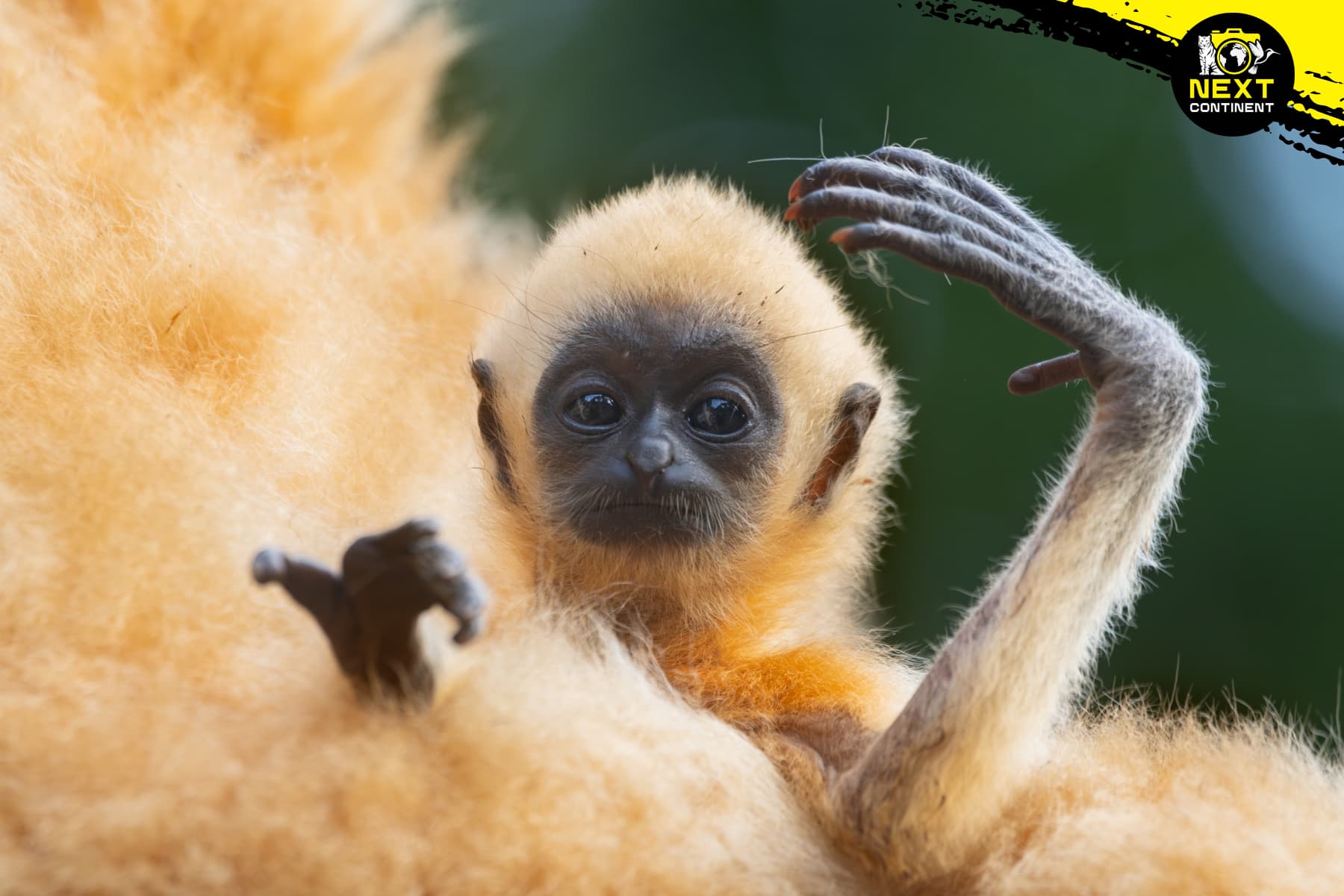
- Southern Yellow-cheeked Gibbon – Reliable, excellent photography opportunities
- Southern White-cheeked Gibbon – Difficult, often seen/heard but can be difficult to photograph
- Black-shanked Douc Langur – Reliable, very good to excellent photography
- Red-shanked Douc Langur – Reliable, excellent photography opportunities
- Grey-shanked Douc Langur – Reliable, good to very good photography opportunities
- Delacour’s Langur – Reliable, very good to excellent photography
- Hatinh Langur – Reliable, excellent photography opportunities
- Indochinese Silver Langur – Reliable, excellent photography opportunities
- Annamese Langur – Reliable, very good to excellent photography
- Stump-tailed Macaque – Often reliable, very good photography opportunities
- Assam Macaque – Often reliable, very good photography opportunities
- Rhesus Macaque – Reliable, excellent photography opportunities
- Northern Pig-tailed Macaque – Reliable, excellent photography opportunities
- Common Long-tailed Macaque – Reliable, excellent photography opportunities
Other Wildlife Highlights
Whilst this itinerary is solely focused on primate photography, it is no secret that where primate watching is spectacular other wildlife experiences often follow, and this tour is no exception. Though it won’t be this tours chief focus, participants can and should expect an excellent and healthy diversity of other mammals, birds, herps, butterfly and landscape photography opportunities along the way. The entire Next Continent team is trained across all major wildlife groups, so whilst the priority will be the primates, you will have support in identifying all the key birds, herps and other wildlife we encounter across this two week tour.
Tour Pace
This is a moderately paced tour, reflecting the distance we cover travelling from southern to northern Vietnam over two weeks. There are a handful of transfer days and some early starts, particularly for gibbons and the best morning photography conditions. However, at our key primate photography sites, the pace is deliberately slow, patient and unhurried. We prioritise spending extended time with productive groups, working with changing light and behaviour, and revisiting important locations rather than rushing between targets. Midday breaks and downtime are built in where appropriate, particularly during the hottest parts of the day. Most sites involve relatively manageable walking along roads, trails and established tracks, although conditions can be hot and humid. As always, the daily program remains flexible around the group, weather, primate activity and photographic opportunities.
Group Size
Ask any seasoned primate or wildlife photographer what makes a specialist photography tour successful, and one of the first things they’ll mention is group size. For us, this was an easy decision: the tour is strictly limited to just 3–5 photographers. We’d rather run an exceptional experience for a smaller group than increase numbers to eight, ten or more participants. Around primates, fewer photographers means less disturbance, more space to work, better positioning and far greater freedom to find your own compositions without a line of lenses competing for the same angle. With a principal guide supported by a second team member, we can also spread out, track different groups and manage logistics while keeping the photography experience focused and flexible. For a serious portfolio-style photography tour, we believe 3–5 participants is the perfect size.
Climate & Weather Conditions
This tour runs in January, during Vietnam’s dry season and one of the most comfortable periods for wildlife photography across much of the country. Because we travel from the tropical south all the way to northern Vietnam, conditions vary considerably along the route, from warm, dry days in the south to potentially cool, overcast and misty conditions in the north.
Mekong Delta & Cát Tiên National Park: Typically warm, dry and relatively settled, with daytime temperatures around 28–32°C (82–90°F). Early mornings are generally more comfortable, while afternoons can still become hot and humid.
Central Vietnam – Đà Nẵng, Sơn Trà & Tam Mỹ: January is generally cooler than southern Vietnam, with mild to warm daytime conditions and higher chances of cloud, mist and occasional rain. Early mornings can feel surprisingly cool, particularly when spending long periods stationary with camera equipment.
Phong Nha–Kẻ Bàng: Usually cooler and more variable, with overcast conditions, mist and occasional rain possible. Mornings can be cool, particularly around the limestone forests and valleys.
Cúc Phương, Ninh Bình & Hanoi: This will generally be the coolest section of the expedition. January can bring cool, cloudy and damp conditions, with temperatures commonly around 15–22°C (59–72°F) and colder mornings and evenings possible.
Because this tour crosses almost the entire length of Vietnam, photographers should be prepared for a wide range of conditions. Lightweight, breathable clothing remains important for the south, while warmer layers and a light jacket are recommended for central and northern Vietnam. Rain protection for both yourself and your camera equipment is also essential, particularly as conditions can change quickly.
Tour Inclusions
- 2x Expert Principal Mammal & Wildlife Guides
- Private Vehicle & Driver throughout tour in comfortable 16-seater van
- All Accommodation
- All specialist equipment (thermal scope, spotlights, etc)
- Ferry tickets, boat cruises, and other special features outlined in itinerary
- All park & conservation site tickets, permits and donations
- Some Meals (as outlined in itinerary)
- Non-alcoholic beverages throughout the day
- Water bottles
- Comprehensive insurance coverage
- First aid and a COVID-safe environment
Photography Opportunites & Notes
This expedition is designed from the ground up for serious primate photography. Unlike a conventional wildlife tour where photography is secondary to finding as many species as possible, our itinerary, group size and time in the field have all been structured around creating high-quality photographic opportunities. At our key sites, we deliberately allow extended sessions with individual troops, repeat visits and the flexibility to work around changing light, behaviour and positioning.
Of course, these are still wild primates in natural environments, and photographic conditions can vary considerably. Some species, particularly gibbons, can be high in the canopy or difficult to approach, while forest light can be challenging. Others, including the douc and langur species at our principal sites, can provide exceptional opportunities for portraits, behaviour, family interactions and wider environmental images.
For most of the expedition, 400–600mm provides an excellent working range, but this is absolutely a tour where longer professional telephotos belong. Photographers are very welcome to bring 600mm, 800mm and longer setups, including teleconverters, particularly for more distant animals, canopy species and tight portrait work. Equally, shorter telephotos and zooms can be extremely valuable for closer encounters, behavioural photography and environmental compositions. Fast apertures and strong high-ISO performance are particularly useful in forest conditions and for our nocturnal slow loris sessions.
There is no expectation to travel light. This expedition is fully vehicle-supported and designed with serious photography equipment in mind. Multiple camera bodies, several lenses, large prime telephotos, teleconverters, tripods, monopods and other specialist equipment are all welcome. For photographers who prefer to travel with a complete wildlife photography setup rather than compromise on equipment, this is exactly the kind of tour where you can do so. Our team includes experienced wildlife photographers and specialist primate guides, and we’re always happy to discuss equipment, lens choices and preparation with participants before the expedition.
Tailor Your Experience
Looking to enhance your experience? Whether it’s adding an extra day, making an additional stop, arranging pick-up from a distant location, hiring a camera, or combining your tour with another one of our amazing experiences, we’ve got you covered. Get in touch today, and let our experts craft a private, customised itinerary with dates and prices tailored to your needs
Still have questions? Get in touch with us directly
- info@nextcontinent.travel
- Phone / WhatsApp / Zalo: (+84) 328 955 019
- Frequently Asked Questions