Jes Hooper of The Civet Project explores the threats facing civets, the realities behind civet coffee and the work underway to protect these overlooked small carnivores.
Civets are among the world’s most elusive small carnivores, yet many of the threats they face remain largely out of sight, making civet conservation increasingly important. Across their range, these remarkable animals are caught from the wild for the exotic pet trade, perfume production, and the controversial civet coffee industry, where captivity and animal welfare concerns are often hidden behind claims of rarity and exclusivity.
To understand these challenges more deeply, we spoke with Jes Hooper, founder of The Civet Project, the world’s first non-profit dedicated to protecting civets and other members of the Viverridae family. Following her recent time in Vietnam, Jes shares what she has learned from people across the civet supply chain, the realities behind civet coffee, the growing Civet-Free movement and why protecting civets requires solutions that consider wildlife, people and local livelihoods together.
With that, let’s get into our conversation with Jes!
NC (Next Continent): Tell us about The Civet Project for those who are new to your work.
JH (Jes Hooper): The Civet Project Foundation is the world’s first non-profit dedicated to protecting civets and all other members of the Viverridae family (civets, binturong, genets and oyans). Known as some of the most elusive small carnivores in the world, civets and their cousins have been largely overlooked by science and advocacy groups, despite the significant threats that they face. The Civet Project Foundation fills knowledge gaps by conducting research, raises the profile of civet species through educational outreach, and promotes pro-conservation behaviour by engaging with people and organisations around the world to enact civet protection goals.
NC (Next Continent): What are civets and why are they so threatened (and so misunderstood)?
JH (Jes Hooper): Civets are some of the most ancient “cat-like” species to walk the planet. Although civets are cat-like, they are actually more closely related to mongoose than they are our more familiar domestic moggies. There are an estimated 36 species of civets and most are nocturnal, solitary, and arboreal- meaning they live alone and travel high up in the forest canopy.
Unfortunately, civets are heavily threatened by wildlife trade. Across their ranges, civets are caught from the wild so that they can be sold as exotic pets or farmed for the production of perfume or civet coffee.
NC (Next Continent): Let’s discuss the issue at hand. Can you tell us about the civet coffee industry? Why do you think it has thrived for so long, while the dark side of it stays hidden from most consumers?
JH (Jes Hooper): Civet coffee (often known as the world’s most expensive coffee) is made from coffee beans that have been pre-digested by civets. It is said that the civet’s specialised digestive enzymes alter the properties of coffee beans, resulting in unique taste- though there is little evidence to verify this in practice. Marketing claims of uniqueness and rarity have resulted in a high price tag- just one cup of civet coffee can reach prices of up to $100 USD.
To meet consumer demand, civets are now commercially farmed across Southeast Asia. Every year, hundreds of thousands of civets are held captive in small barren cages where they are force fed coffee so that large quantities of coffee beans can be picked from their faeces.
Unfortunately, consumers are largely unaware of the cruelty involved because there is no industry oversight and coffee companies can easily label their coffee as “certified wild collected” without ever needing to prove it.
NC (Next Continent): You’ve recently launched the “Civet-Free” campaign, calling on coffee companies to publicly cut ties with civet coffee. What response have you had from the industry so far?
JH (Jes Hooper): The only way to tackle an industry that is built on wildlife exploitation is to engage every aspect of the supply chain. It is not effective to only educate consumers, we need to bring industry leaders together to take a united stand against civet cruelty. Our Civet Free campaign asks coffee companies to pledge to never sell, promote or engage with civet coffee. By taking the Civet Free pledge, coffee companies spread awareness to customers about civet coffee cruelty which reduces demand whilst also making it harder for civet coffee suppliers to access the international coffee market.
We first launched our Civet Free campaign at London Coffee Festival in May 2026, an internationally renowned coffee industry event. We were delighted that the event organisers wanted to support our work but we held quiet reservations about how our message would be received by the wider industry and consumers taking part in the four day event. However, we were pleasantly surprised as we were soon overwhelmed by support from everyone we spoke to.
Some people were surprised to learn that this famous coffee was built on lies and cruelty, whereas others had heard of the cruelty involved but were shocked to learn that civet coffee is now a multi billion dollar industry. All feedback we received from attendees and other participants of the event was extremely positive. We were thanked for spreading awareness and we gained over 100 pledges to go “Civet Free”. Since then we have been building relationships with coffee companies and will soon be launching our list of civet safe coffee companies!
NC (Next Continent): For an industry that prides itself on “ethical sourcing” and sustainability, what would you say to a coffee brand that still stocks or is considering stocking civet coffee?
JH (Jes Hooper): Our recent investigation found that 35% of civet coffee brands claimed to be “wild-collected” and/or “cruelty free” and 0% of these could be evidenced. We therefore highly recommend coffee suppliers drop the sale of civet coffee to avoid staining their own reputations as ethical companies, even if the coffee they sell claims to be certified. The simple truth is that there is no authentication scheme for civet coffee. So no matter what the claims of the producer are, it is not possible to prove whether civet coffee is made from wild civets or from civets suffering in cages.
NC (Next Continent): Having recently travelled through Vietnam, what was the most surprising or unexpected thing you learned?
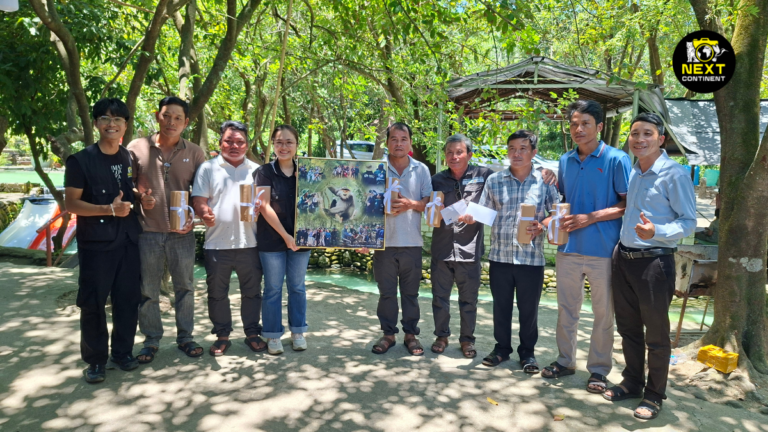
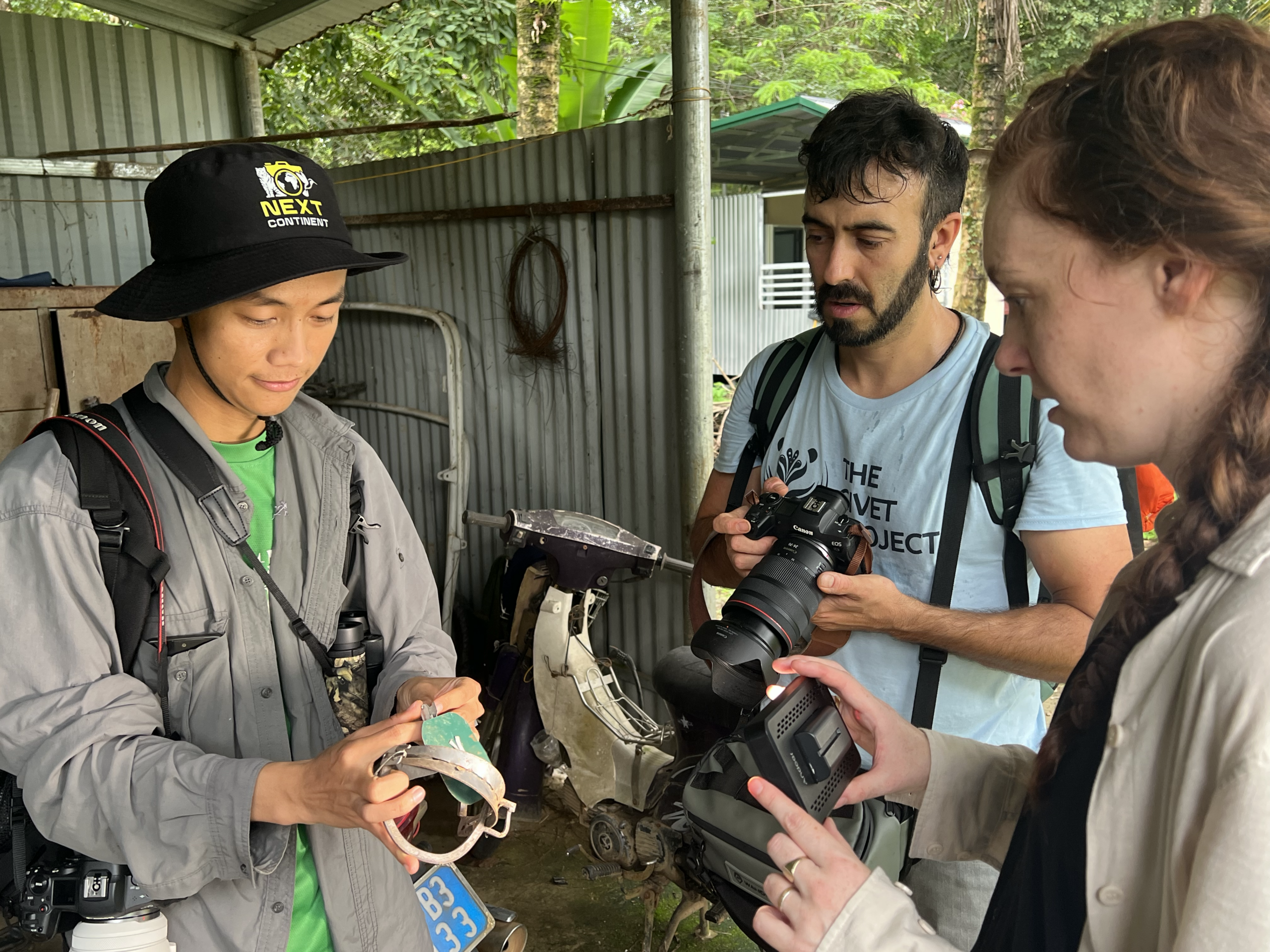
JH (Jes Hooper): It was such a pleasure to spend more time in Vietnam and to speak with people within the civet supply chain. My intention has never been to vilify those involved in civet trade, but to understand how we can move away from the cruel practice together. I was pleasantly surprised to see so much enthusiasm for our work as farmers, traders and restaurant workers were willing to speak to us and share their experiences.
Yet the more people I spoke with the more it became clear that even civet farmers are now re-evaluating the future of civet farming. Not only are farmers seeing real risks of disease (many reported high rates of civet mortality and some had been bitten, even needing hospital treatment) but they are also now noticing that the price of civet products are starting to fall, meaning the profit margins are getting lower and lower.
NC (Next Continent): For local communities in Vietnam and other parts of the world involved in the civet coffee industry, what do you wish they could understand? It’s a complicated situation – they rely on this for income, but it’s damaging the civets. How do you hold both of those truths?
JH (Jes Hooper): I love this question because it gets to the heart of the work that we do. It is true that we want caged civet coffee production to stop but we also recognize that a transition away from commercial civet trade must consider the wider needs of the communities involved- that includes the farmers, their families, and the ecological communities impacted by the removal of civets from the wild. We balance these complicated and interconnecting factors through transparency, trust, and understanding. We engage with all levels of the supply chain to understand the perspectives, experiences and behaviours of everyone involved, from the coffee growers to civet trappers, traders, and civet coffee farmers, all the way to the civets themselves.
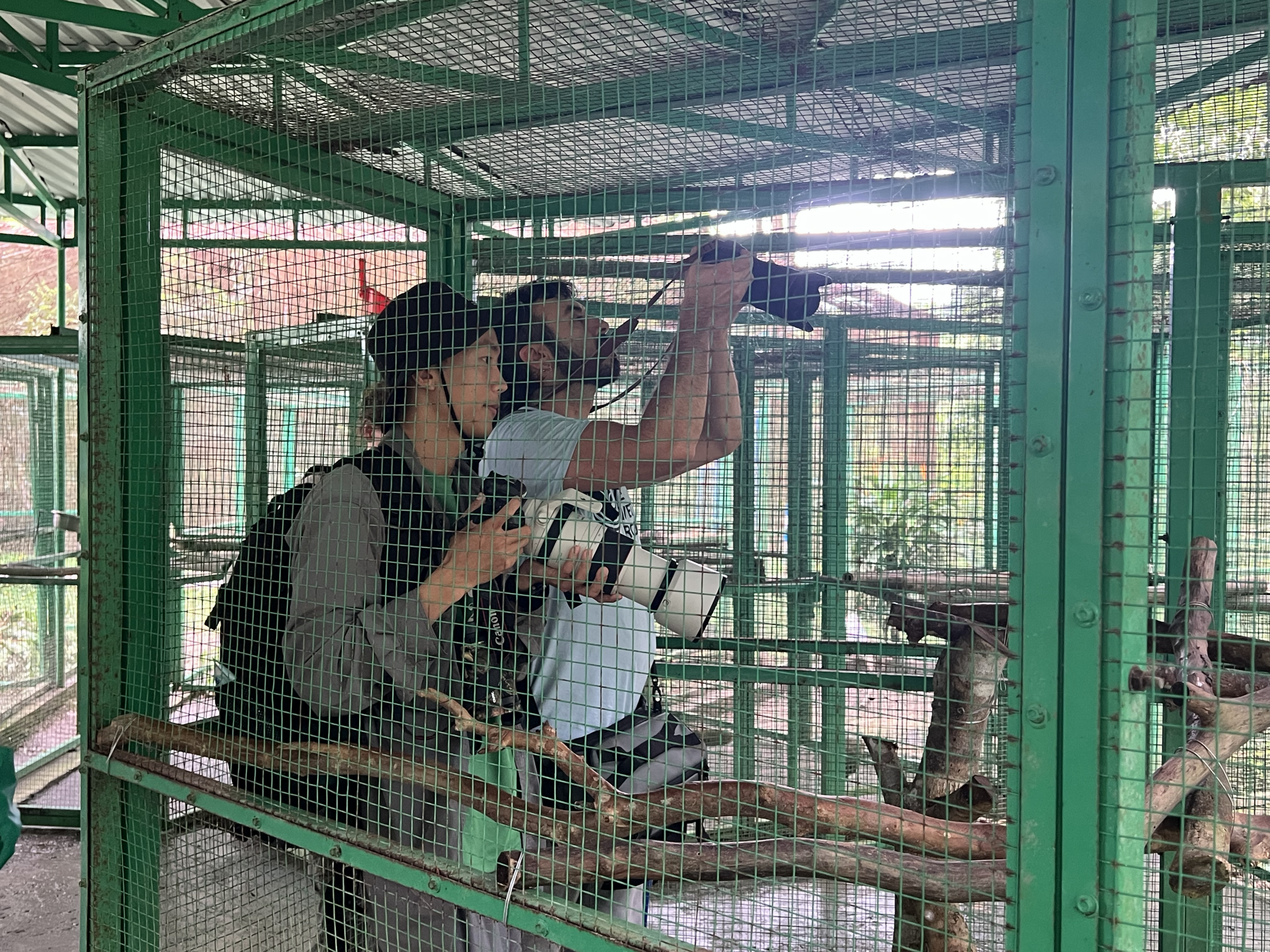
Our Civet One Health program is the best example of how we balance the needs of civets and trade livelihoods. One Health recognises the interconnections between the health and wellbeing of humans, animals and the environment, and it is a One Health framework that we are applying to achieve a just transition away from commercial civet trade in Vietnam.
Whilst civet trade can be profitable, it is not free from human harm. Civets can carry multiple diseases that can pass to humans, and several of these hold pandemic potential. Handling of civets and their faeces is putting communities at greater risk of zoonotic disease transmission and spread, and this impacts everyone. Civet farming is simply not safe and it is therefore not sustainable.
Our Civet One Health program is designed to work with stakeholders towards a phase out of civet trade through stakeholder research, community outreach and policy change. If people knew the significant human risks involved in civet trade then there would be less demand and less profit to be made. Unfortunately, communities are often sold the idea of civet farming as a way to make a lot of money but to do so the animals must be housed en masse and in conditions that are cheap to maintain but that lack sufficient disease protection measures.
It is our hope that as our Civet One Health program progresses, we will be able to economically support the communities that maintain traditional crop farming and handicrafts, to further incentivise communities with access to civets to leave them in the wild.
NC (Next Continent): Have you ever seen a civet in the wild?If you could see any civet species tomorrow, in the wild, which one would it be and why?
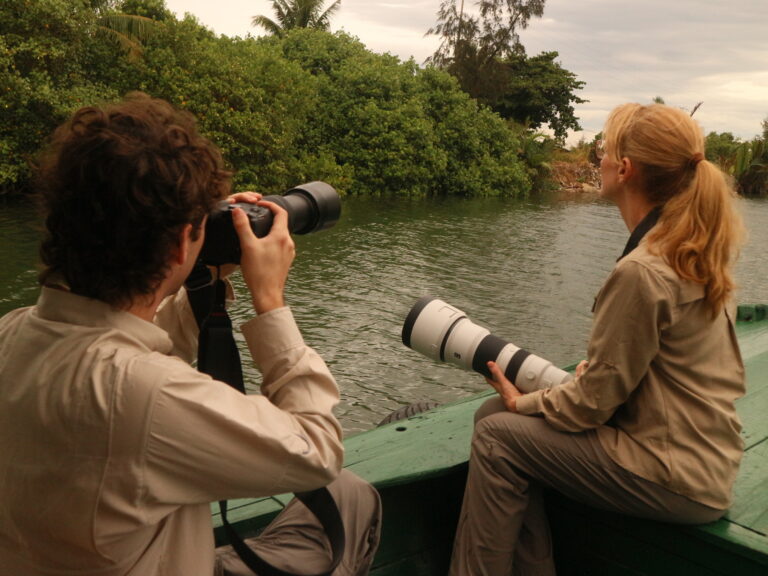
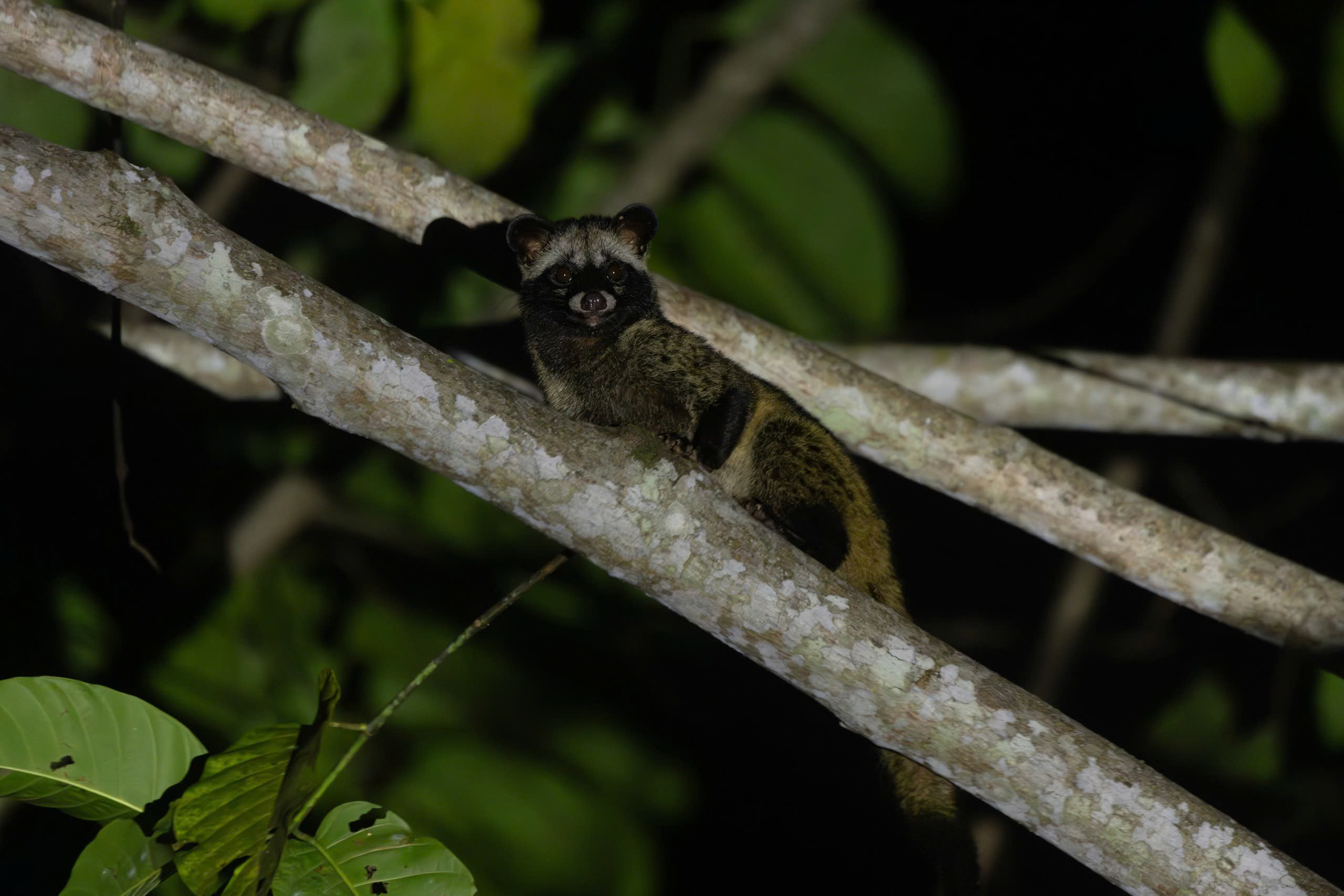
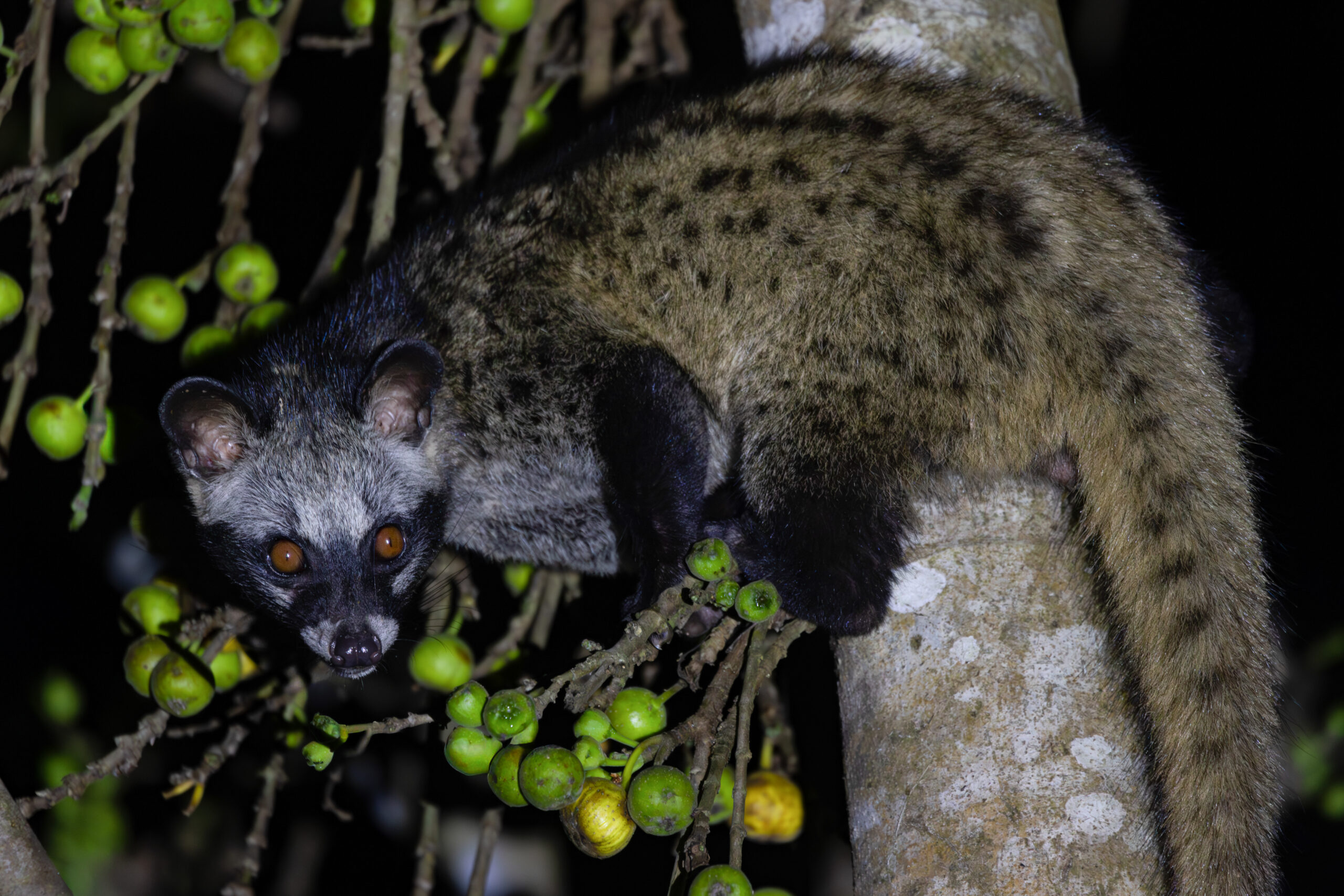
JH (Jes Hooper): One of the highlights of my recent visit to Vietnam was seeing civets in the wild! Having spent my entire career studying civet trade, I had never actually seen a civet free living in the forest. I therefore absolutely jumped at the chance to join the Next Continent team on night tours of the forest. My favourite moment was seeing a southern palm civet mother with her three kittens, all of whom were exploring high up in the canopy above us.
NC (Next Continent): World Civet Day has helped put civets on the map globally. What’s your hope for how the public’s relationship with civets changes in the next five years?
JH (Jes Hooper): Now that more people know what civets are, my biggest hope is that the public unites on the growing movement to boycott civet coffee. It is not a difficult thing to do! It just requires people to say “no thank you” and to spend their money supporting local people who provide products and attractions that do not involve civet cruelty.
NC (Next Continent): For those of us on the other side of the world, what can we do to help?
JH (Jes Hooper): The best thing you can do is to spread awareness of the threats facing civets, and as consumers, we have a powerful voice. To enact real-world change, you can:
- Sign our petition to ban the sale of civet coffee on e-commerce platforms
- Sign our petition to ban civet coffee ticket sales on Tripadvisor
- Follow the civet project on Facebook, Instagram, and LinkedIn and subscribe to our mailing list
- Making a donation to support our Civet Free and Civet One Health programs
Want to learn more about civets? Read more about civet conservation here!