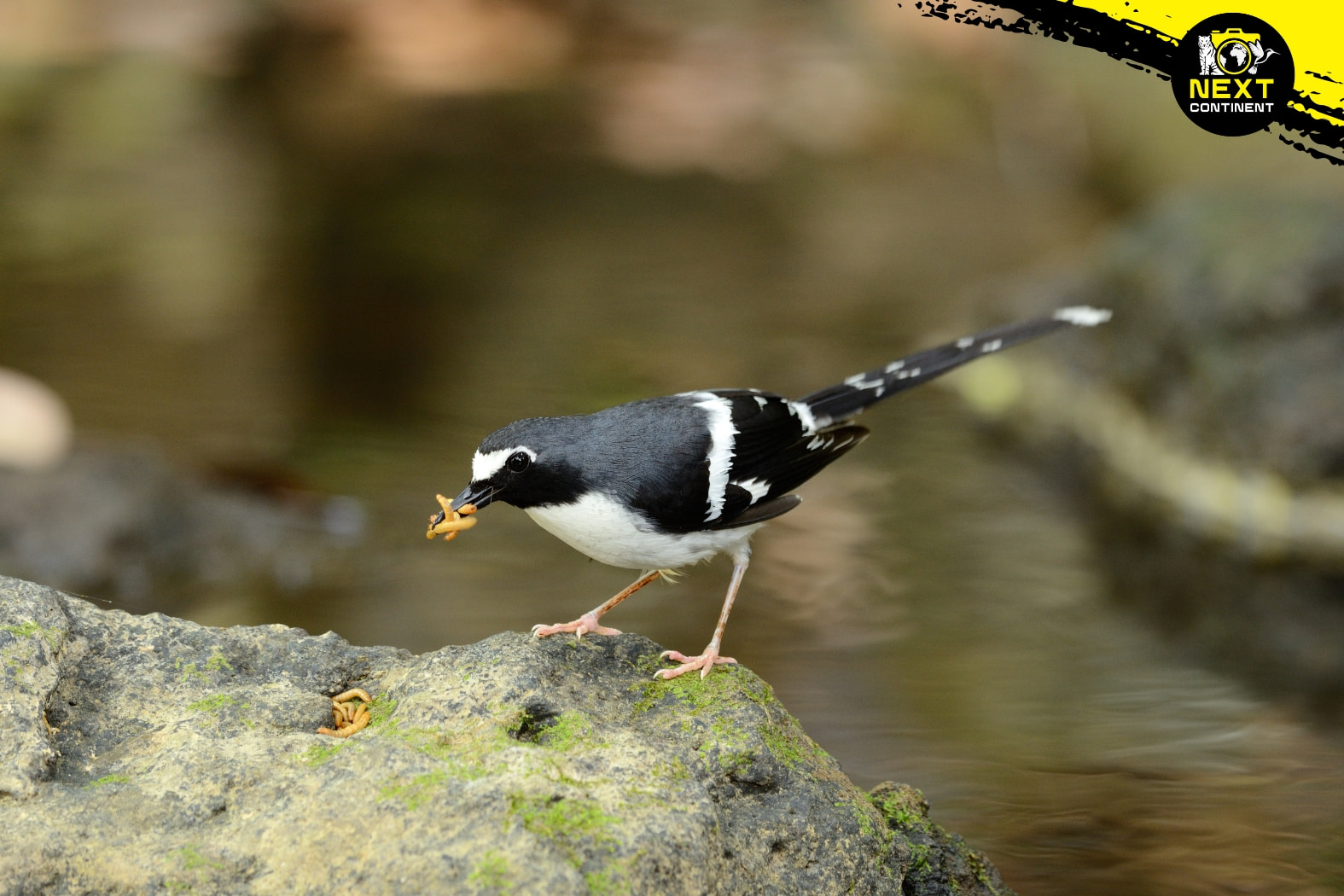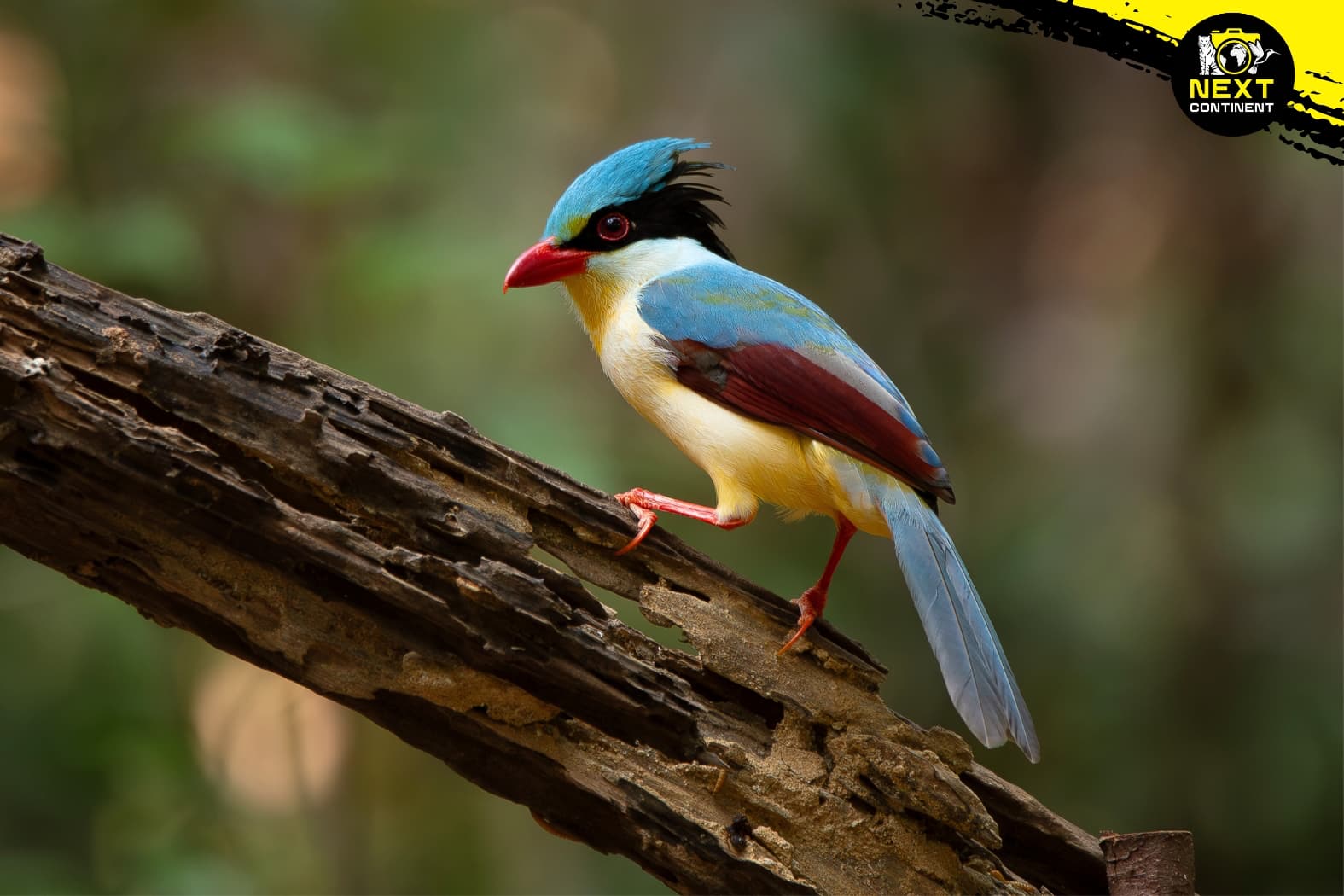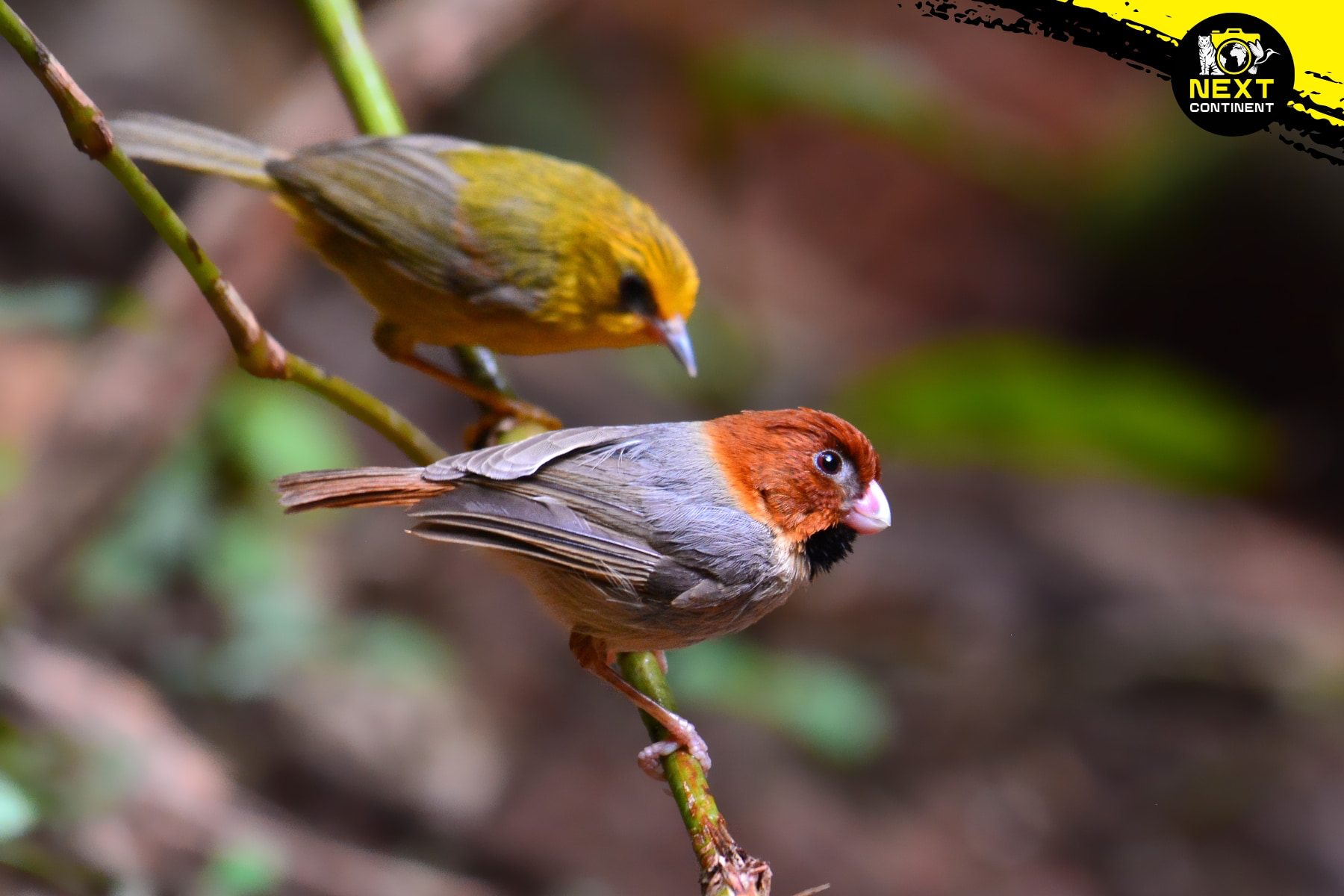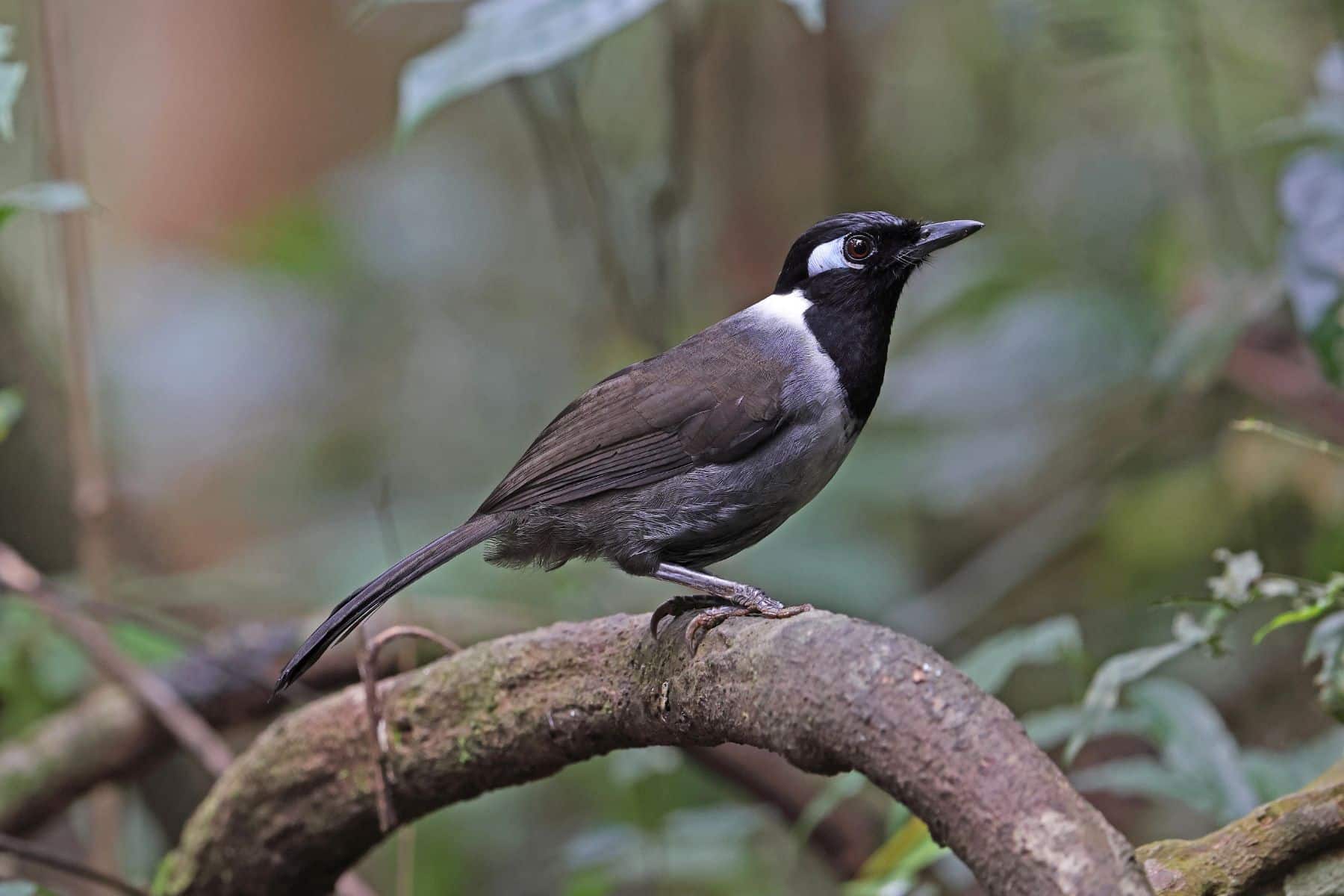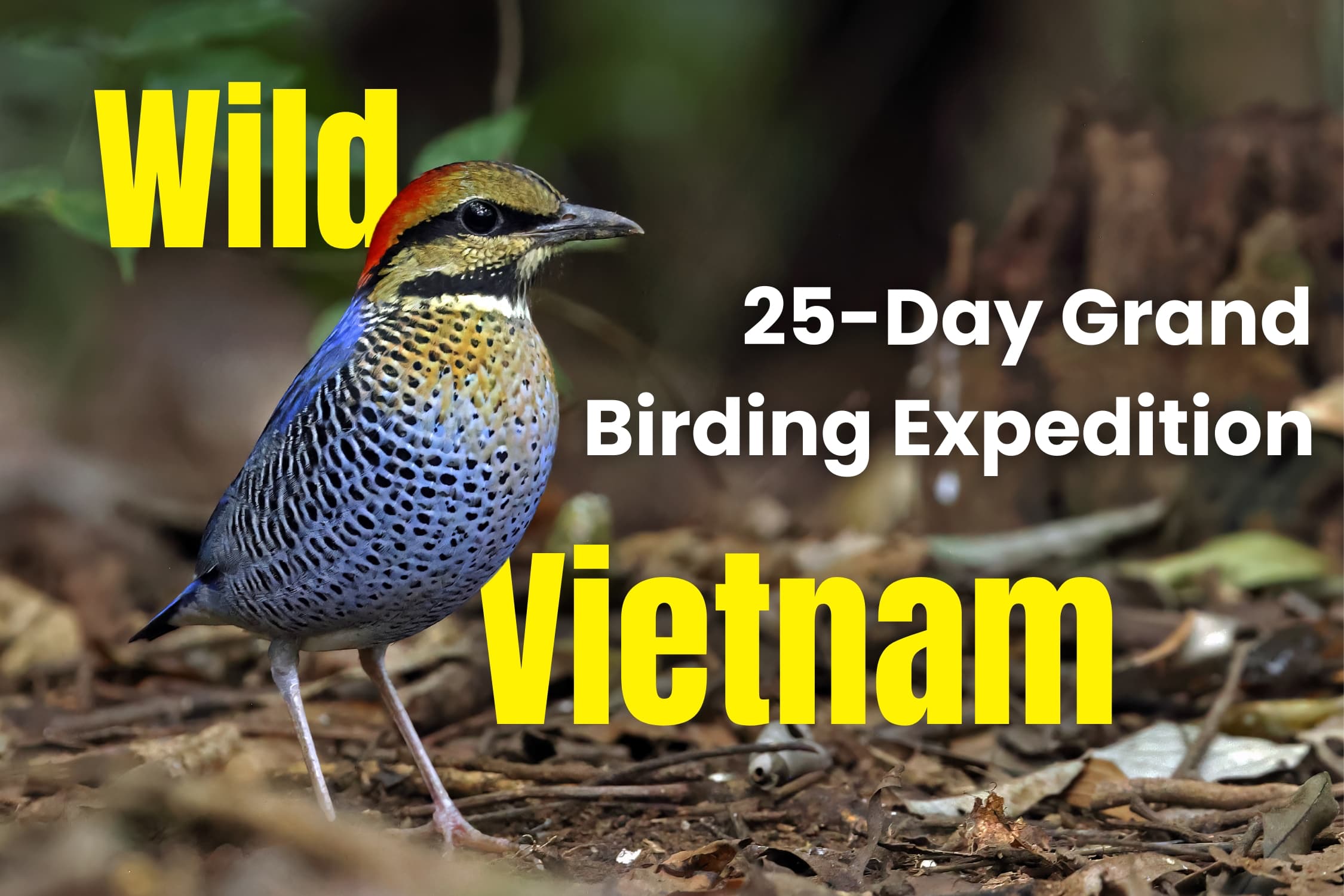



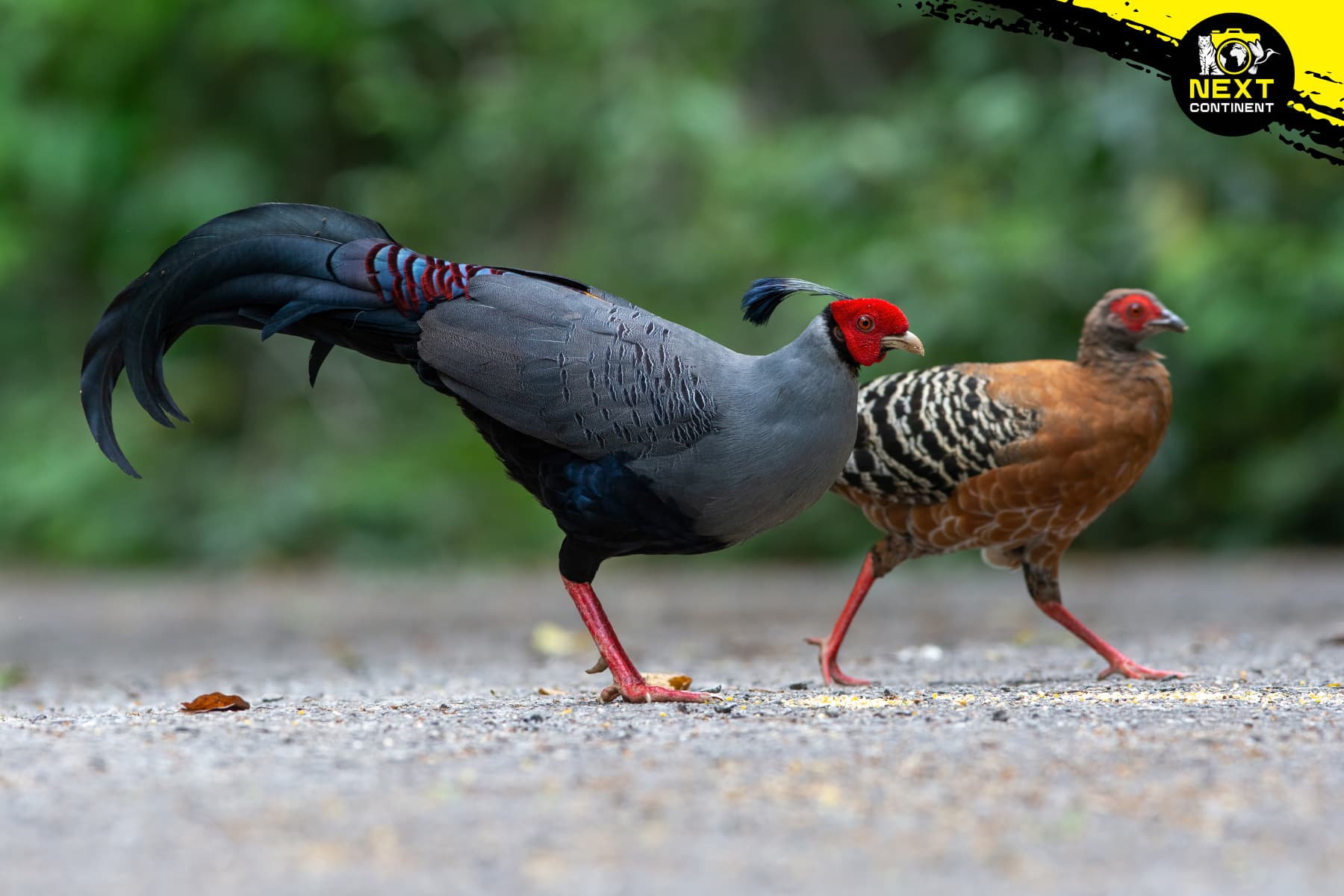
Wild Vietnam: 25-Day Grand Birding Expedition
Upcoming Dates:
> 15th February – 11th March 2027
> 14th February – 9th March 2028
Join our annual group departure on Vietnam’s most comprehensive birding tour, a 25-day expedition travelling from south to north in search of the country’s extraordinary and diverse birdlife. Designed for dedicated birders and serious listers, this flagship journey delivers a true “complete Vietnam” birding experience, targeting 400+ species across all major regions and habitats.
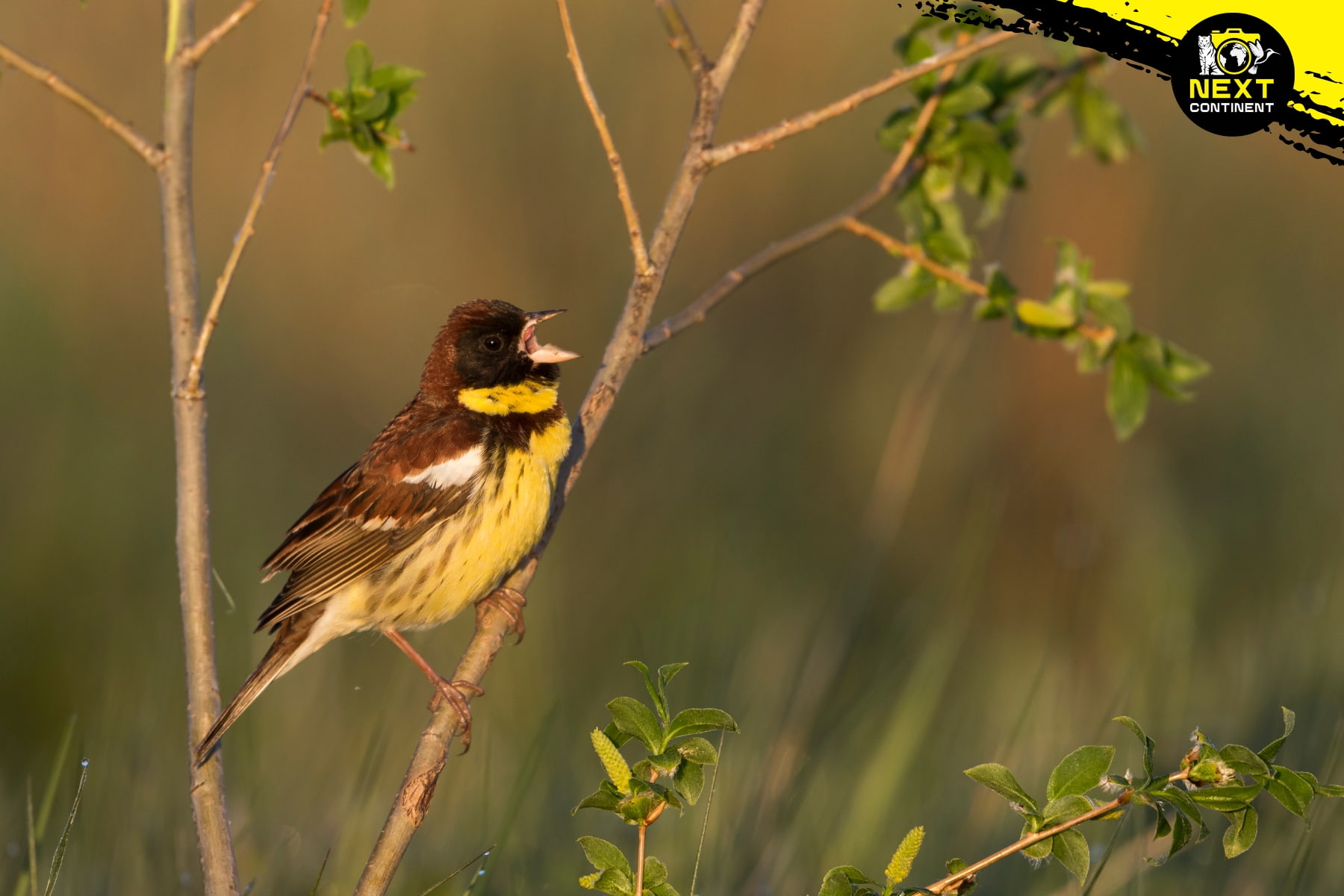
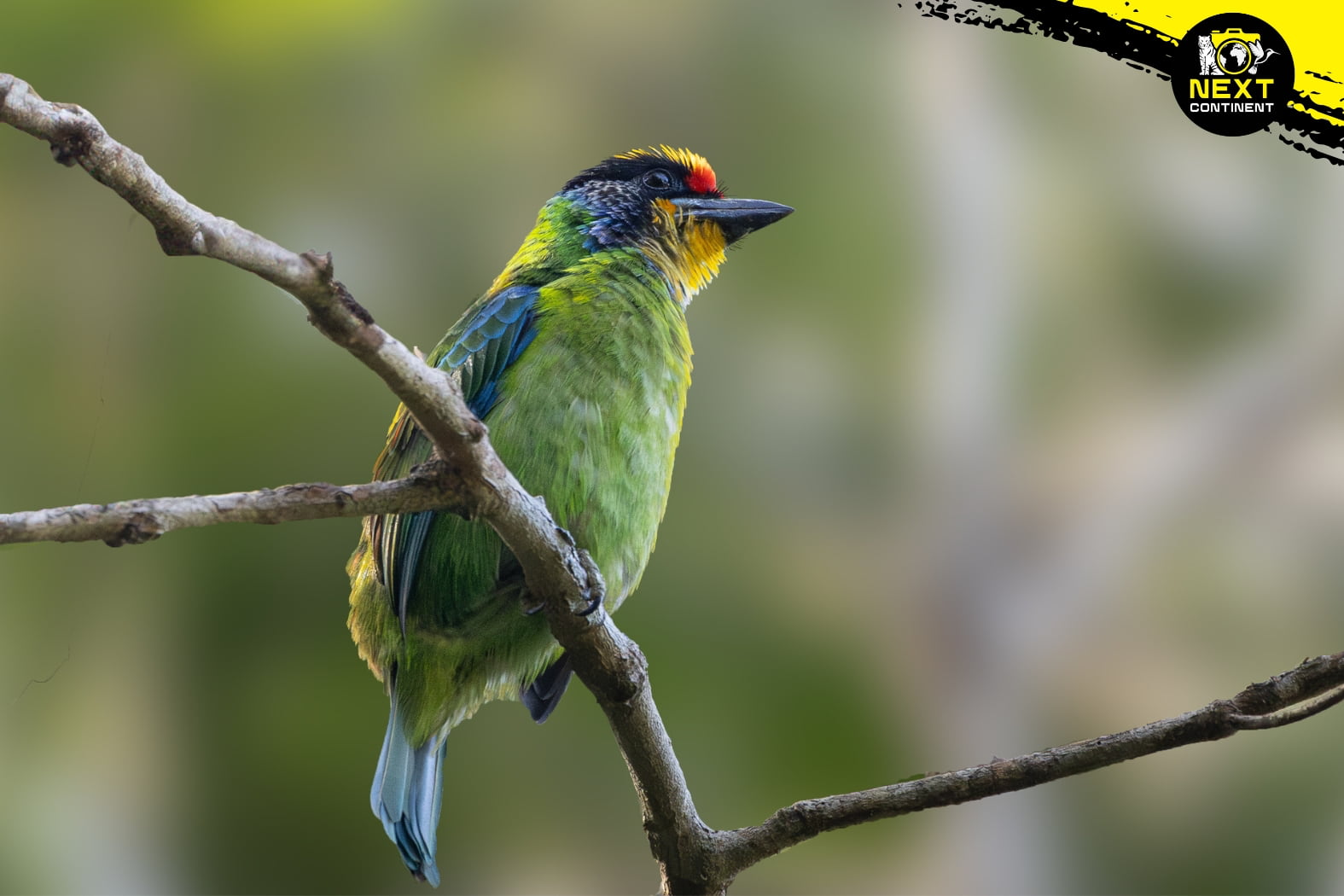
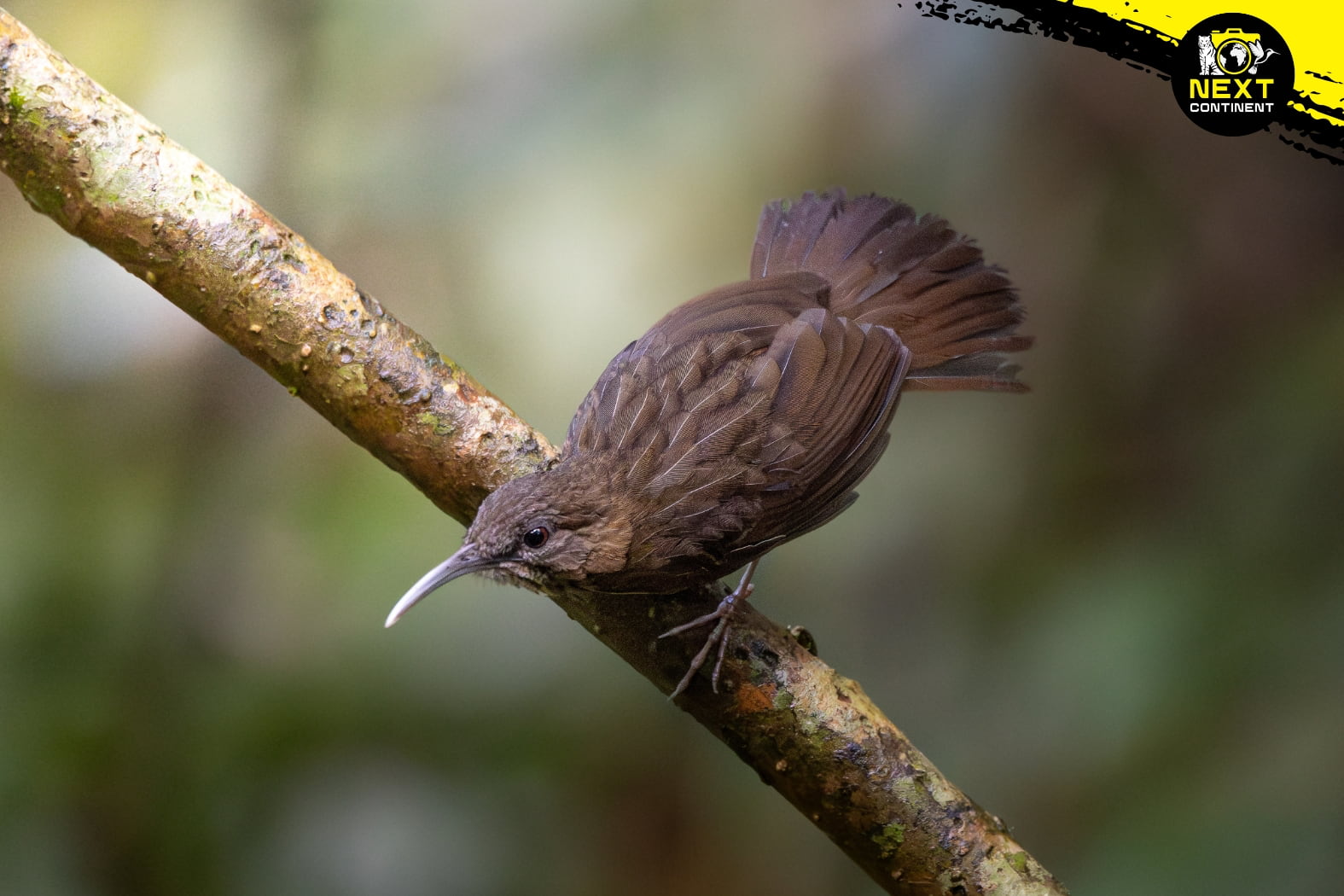
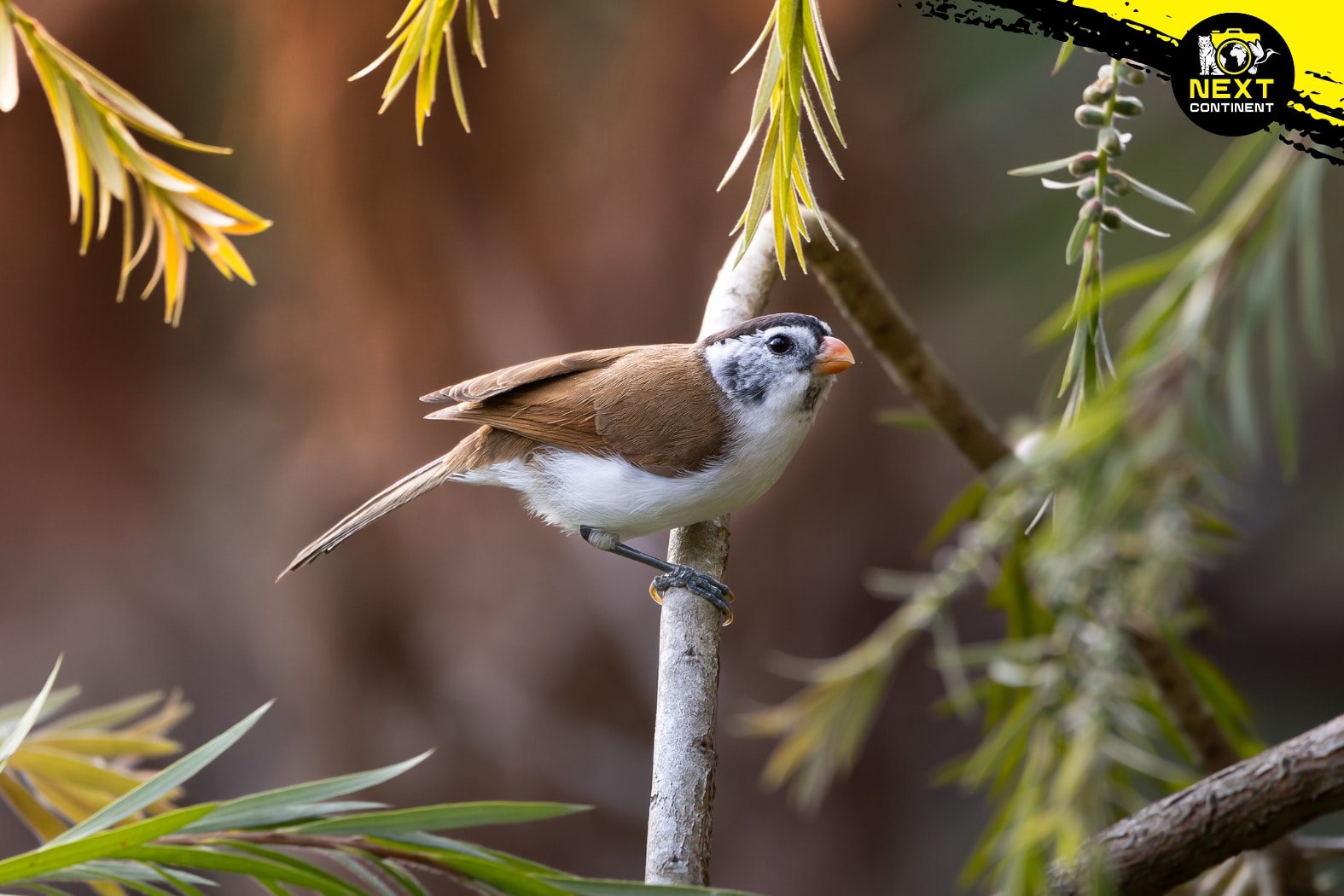
The itinerary spans Vietnam’s premier birding destinations, covering lowland forests, montane evergreen zones, limestone karst, wetlands, coastal habitats and high-elevation plateaus. Along the way, we focus on Vietnam’s exceptional endemic and near-endemic species, alongside a vast suite of Southeast Asian specialities, from pheasants, pittas, and broadbills to laughingthrushes, babblers, hornbills and more.
Led by our expert principal birding guides, with carefully planned logistics and extensive field time at all key sites, this tour delivers a one-stop, comprehensive birding experience of Vietnam, designed to maximise encounters across the country’s full avian diversity in a single, carefully structured journey.
Details
Summary:
— 25-Day / 25-Night Expedition (All-Inclusive)
— Small Group Tour: 4–7 Participants
— Led by 2x Expert Birding Guides
— Targets 400+ birds, including all endemics/near-endemics
— Annual Departure with Limited Availability
Tour Price: $6,795 USD per person
(£5,060 GBP / €5,850 EUR / $9,515 AUD)
Single Supplement:
$1,190 USD per person
(£886 GBP / €1,025 EUR / $1,670 AUD)
Deposit: 30% of the total tour price is required to secure your booking.
Wild Vietnam: 25-Day Grand Birding Expedition
Categories: Birding Tours | Locations: Vietnam
Summary:
Join us for our annual Wild Vietnam: Grand Birding Expedition, a 25-day flagship birding tour and the most comprehensive bird-focused journey in Vietnam. Designed for serious birders, listers, and wildlife photographers, this expedition travels from the tropical wetlands and lowland forests of the south to the montane evergreen forests, limestone karsts, and temperate highlands of the north, covering every major birding region in a single continuous route.
This is a fully guided small-group departure (4–7 participants) led by Next Continent’s senior professional birding guide team. The tour is dedicated primarily to birds, with a strong emphasis on Vietnam’s exceptional endemic and near-endemic avifauna, alongside an outstanding diversity of Southeast Asian specialities and migratory species. Across the full itinerary, participants can expect a total list exceeding 400~ species on typical departures, reflecting the country’s extraordinary habitat diversity.
The expedition is structured around Vietnam’s most important birding locations, including Cát Tiên National Park, the Da Lat Plateau, Yok Don National Park, the Central Annamite forests around Mang Den and Ngọc Linh, Bach Ma National Park, Phong Nha–Kẻ Bàng National Park, Cuc Phuong National Park, Van Long Nature Reserve, Ba Vi and Tam Dao National Parks, and the high-elevation forests of Sa Pa. Together, these sites provide comprehensive coverage of Vietnam’s birdlife across all major ecological zones.
Fieldwork is intensive and carefully timed around peak bird activity, with extensive dawn and dusk sessions, strategic habitat coverage, and a strong focus on both quality encounters and photographic opportunities. Night birding is included where productive, targeting owls, nightjars, and frogmouths. While birds remain the clear focus of the tour, participants also regularly encounter a rich supporting diversity of mammals & primates, reptiles, amphibians, and invertebrates across the countries varied ecosystems.
What sets this expedition apart is its foundation in year-round field expertise. Our guiding team lives and works continuously across Vietnam, maintaining deep familiarity with key birding sites and current field conditions. This ensures up-to-date knowledge of bird movements, site productivity, and seasonal variation throughout the itinerary, contributing to consistently high-quality birding outcomes across the full route.
Access is another defining strength of this tour, supported by long-standing relationships with national parks, conservation areas, and local field partners, allowing efficient and well-coordinated coverage of both iconic and lesser-visited birding sites.
Accommodation is comfortable and varied, including national park lodges, eco-accredited hotels, and strategically located local stays designed to maximise early access to key birding areas. The expedition is fully vehicle-supported and structured to prioritise time in the field over transit.
Strictly limited to small-group departures and led by highly experienced birding specialists, this tour represents the ultimate Vietnam birding experience, a complete national transect designed to deliver maximum species diversity, endemic coverage, and one of the most comprehensive bird lists achievable in a single Asian birding expedition.
Itinerary
Day 0: Arrive in HCMC
Arrive at Tan Son Nha Airport (Ho Chi Minh City) and transfer to our hotel (Sunday, 15th February 2026), where we have arranged your accommodation. In the evening, we’ll enjoy a welcome dinner together, a chance to meet your guides and fellow birders, go over some tour plans, and build the excitement for the days ahead. This first welcome dinner is on us. If you need assistance with your airport transfer, just let us know, we’ll be happy to help arrange it.
Day 1: HCMC – Go Cong – Cat Tien National Park
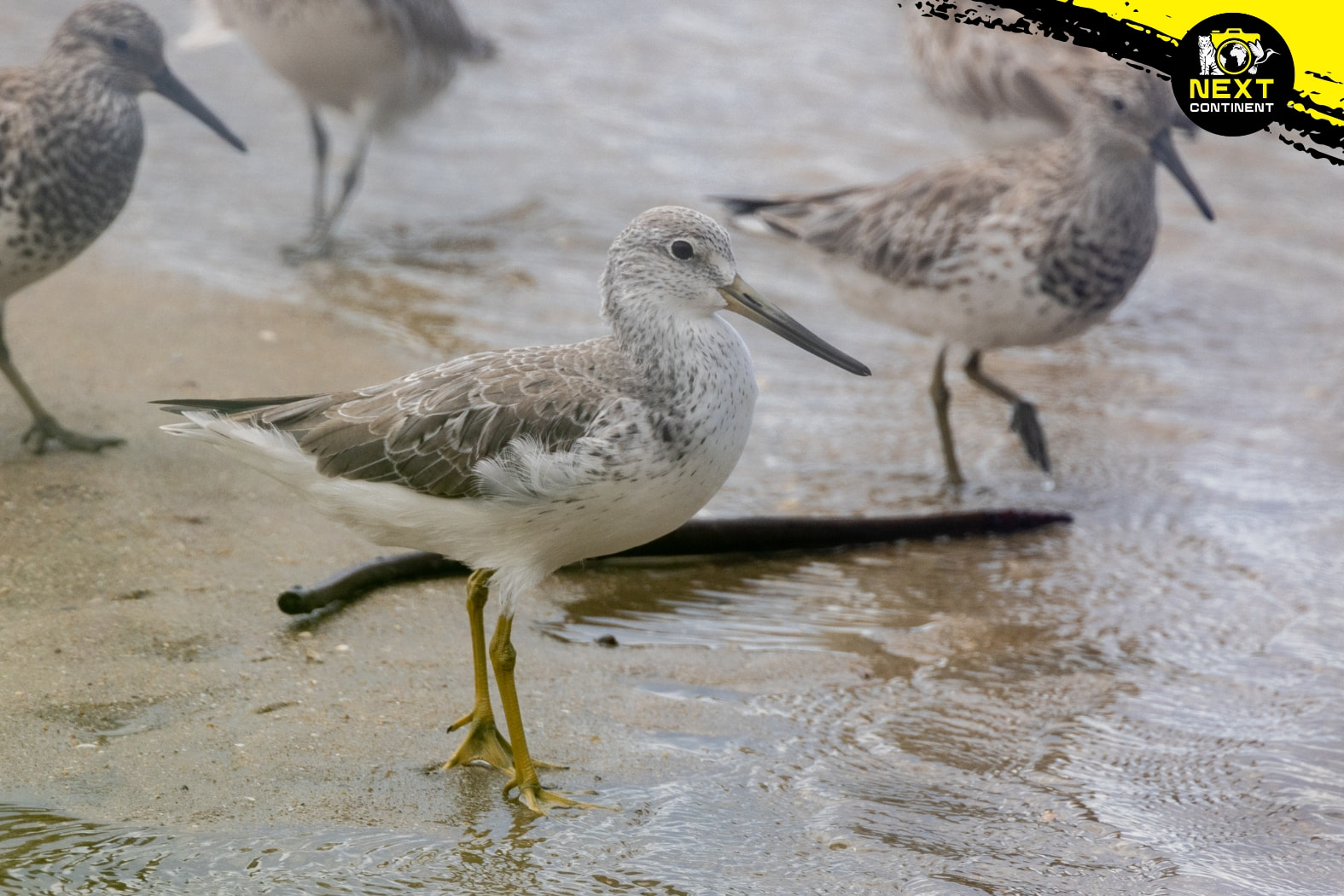
With an early start, we travel from Ho Chi Minh City to the coastal mudflats of Go Cong for a full day of shorebirds and mangrove specialists, a great way to kick off the tour with a wide variety of targets and a strong start to the trip. Amongst the many waders, key target species include Nordmann’s Greenshank, Spoon-billed Sandpiper, Great Knot, Red Knot and Far Eastern Curlew. Mangrove specialists may include Mangrove Whistler, Malaysian Pied Fantail, Golden-bellied Gerygone and Ashy Tailorbird. Alongside herons, egrets, bitterns, skylarks, cuckoos, gulls and terns, it should be a very productive first day. In the afternoon we transfer to Cat Tien National Park. If time permits, we may explore around the park headquarters in search of some of the park’s more common residents such as Thick-billed Green Pigeon, Vernal Hanging Parrot, Black-and-red Broadbill and several woodpeckers including Black-and-buff, Heart–spotted, Laced and Rufous Woodpecker. After dark, we’ll have our first spotlighting session, targeting Great Eared Nightjar, Large-tailed Nightjar, Collared Scops-Owl and Asian Barred Owlet. With some luck, we may also connect with some of Vietnam’s most sought-after nocturnal birds including Tawny Fish Owl and Spot-bellied Eagle Owl. Accommodation inside Cat Tien National Park.
Day 2: Cat Tien National Park
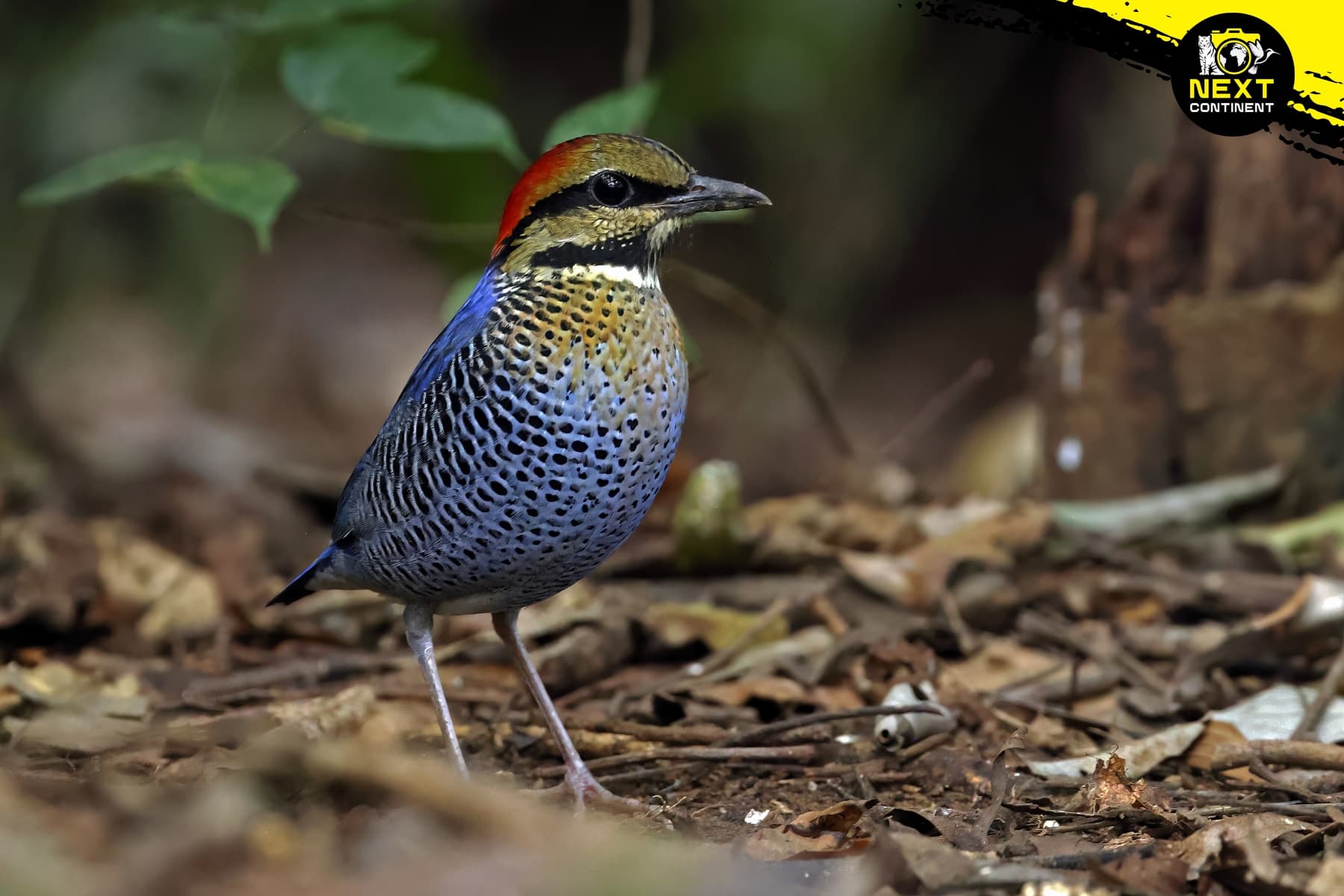
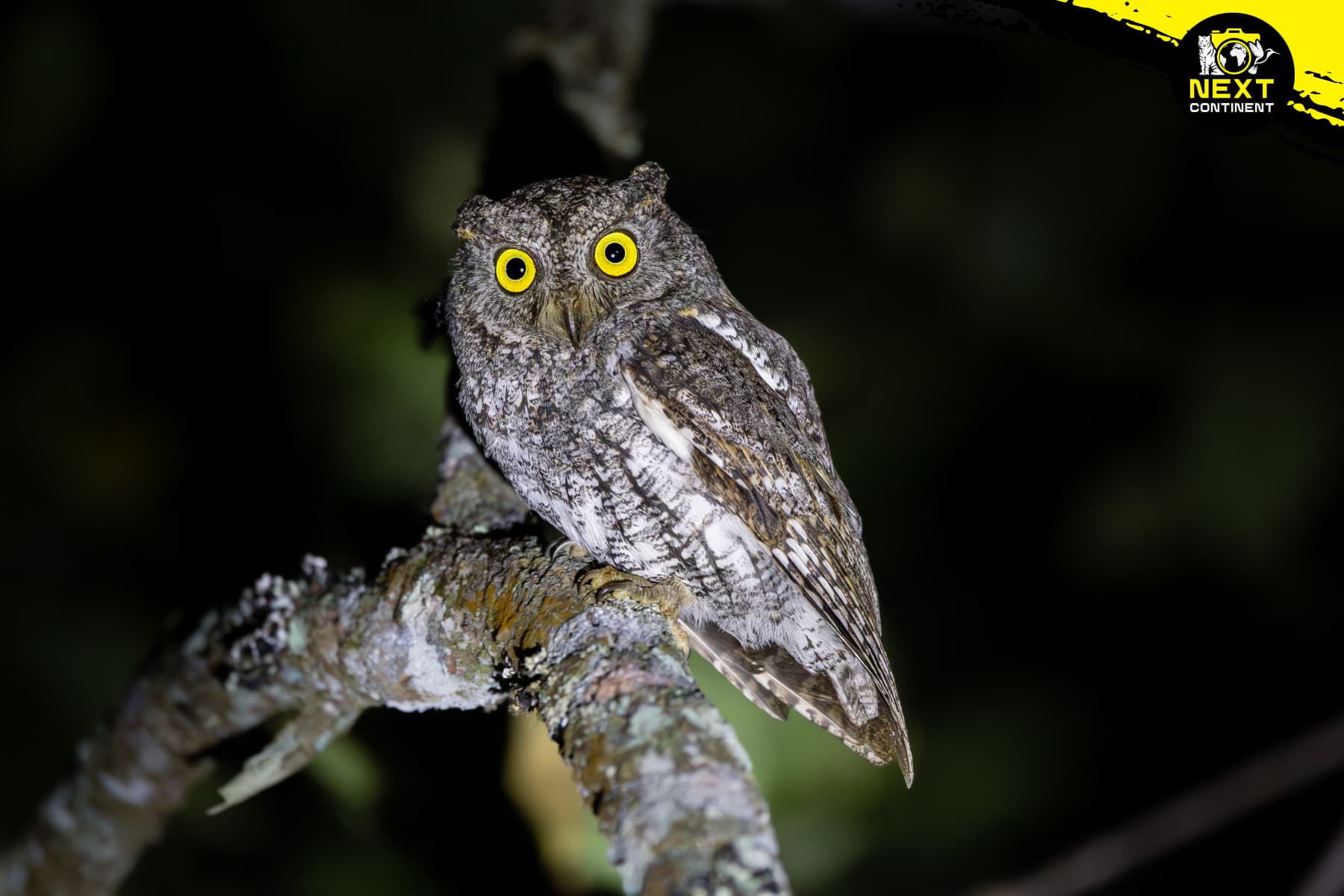
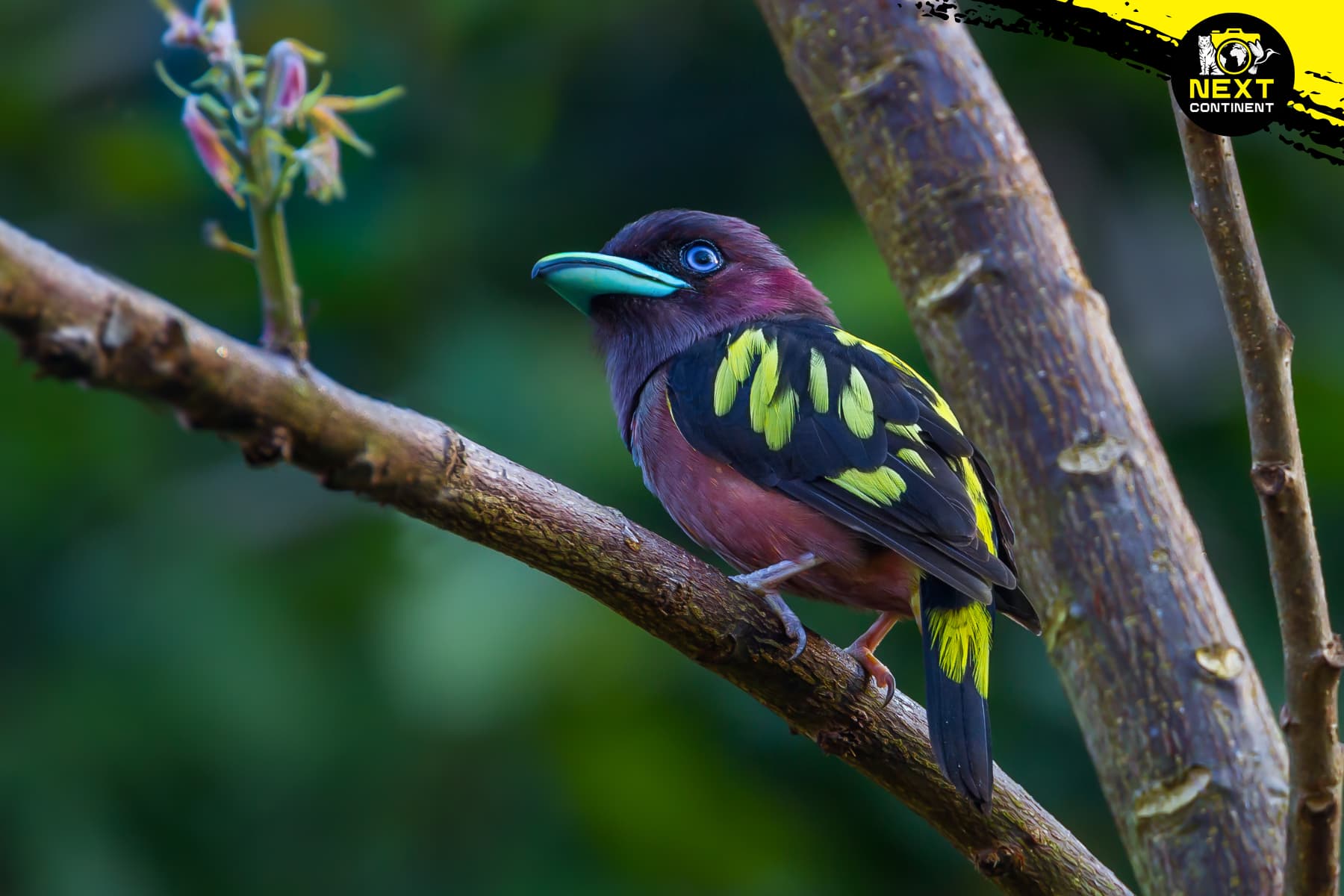
We begin the day at first light with birding around the Heaven Rapids area, one of Cat Tien National Park’s most productive forest birding sites. The surrounding lowland evergreen and semi-deciduous forest supports an excellent diversity of Indochinese species, with targets including Banded Kingfisher, Dusky Broadbill, Banded Broadbill, Orange-breasted Trogon and the near-endemic Orange-necked Partridge. Other possibilities include Great Slaty Woodpecker, Scaly-crowned Babbler and a wide variety of bulbuls, barbets and forest flycatchers. After a midday break, we continue birding along the Tung Tree Trail, another key habitat zone within the park. Here we focus on some of Cat Tien’s more elusive forest specialists including Blue-rumped Pitta, Bar-bellied Pitta and Violet Cuckoo. Additional targets may include Red-breasted Parakeet, Banded Bay Cuckoo and a variety of babblers and flycatchers depending on seasonal activity. After dark, we embark on a spotlighting session by jeep along the roads surrounding Heaven Rapids. This night excursion provides an excellent opportunity to observe nocturnal forest species including Oriental Bay Owl, Oriental Scops-Owl, Brown Fish Owl and the highly sought after Blyth’s Frogmouth.
Day 3: Cat Tien National Park
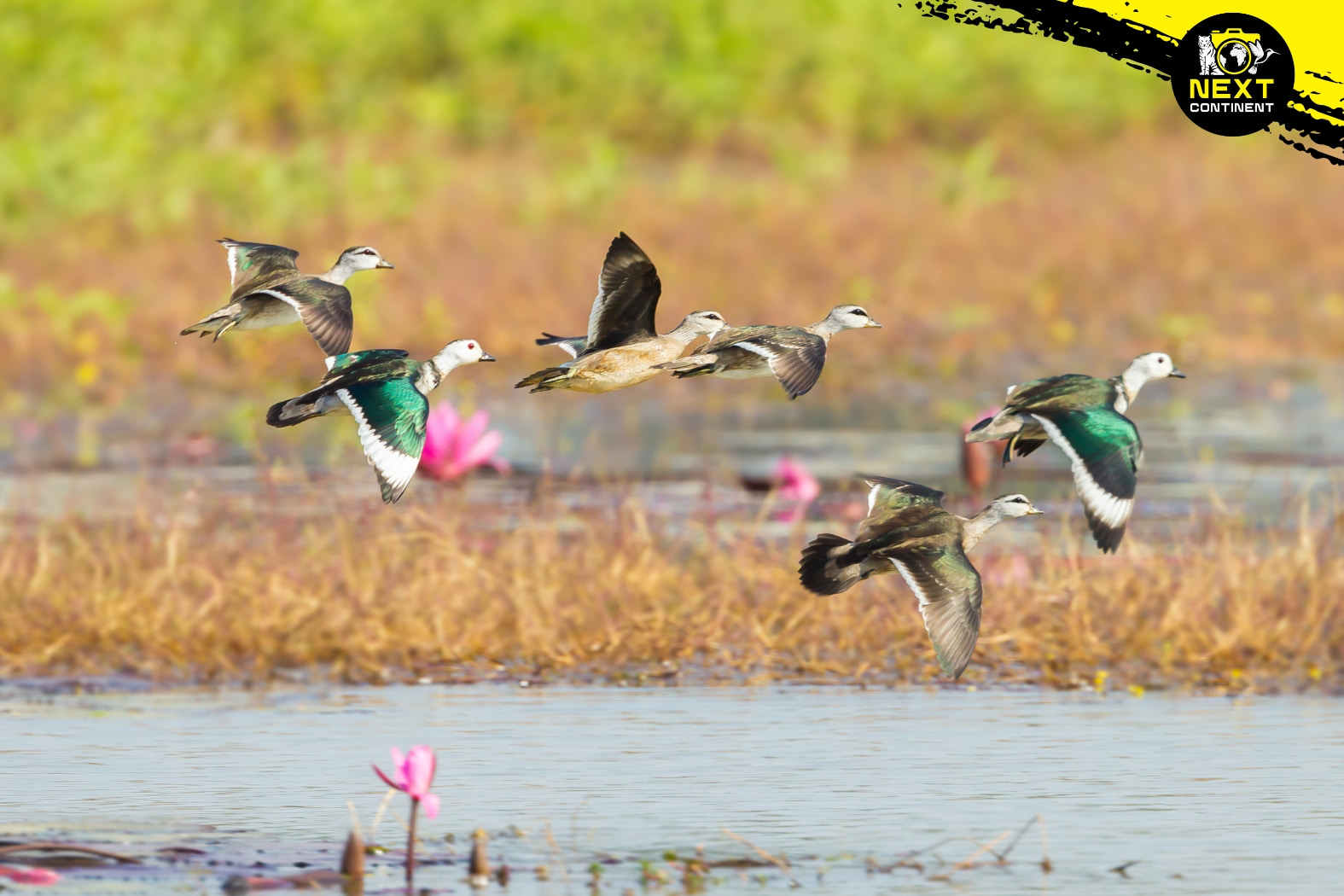
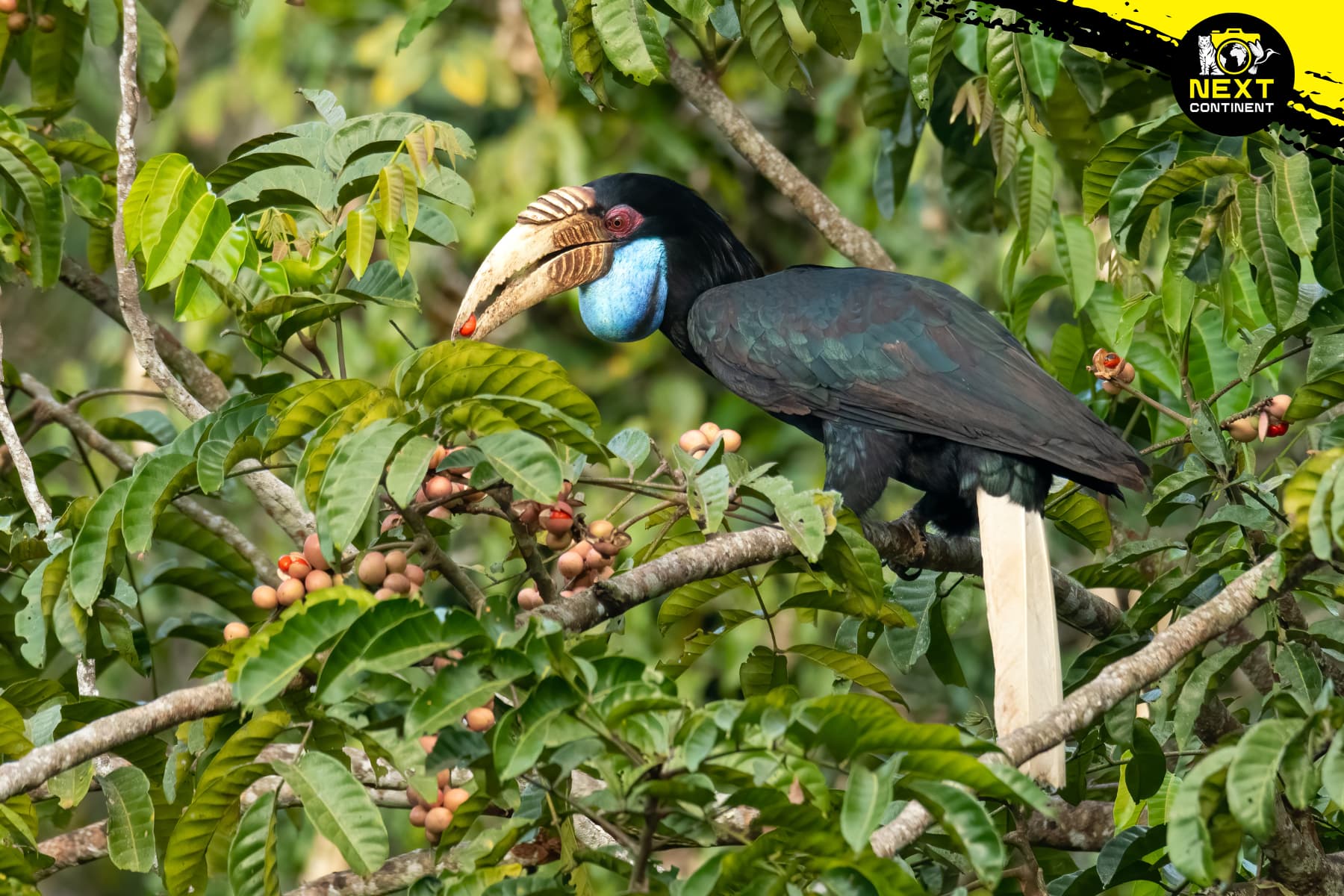
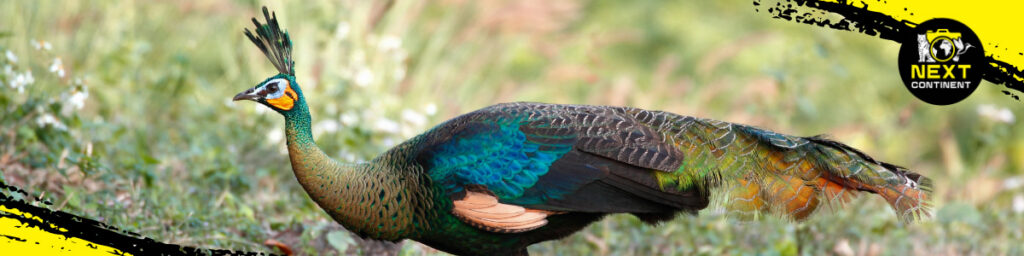
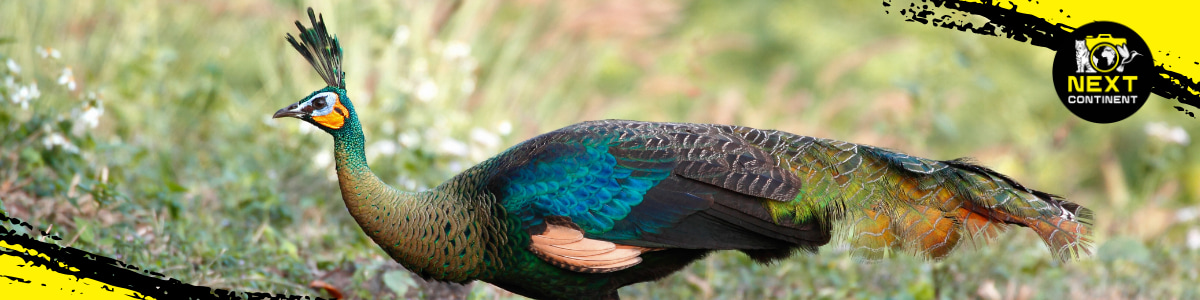
We begin the day with an early morning departure from the park headquarters, following the trail to Bau Sau (Crocodile Lake), one of Cat Tien National Park’s most important wetland habitats. The forested trail passes through productive lowland woodland where we may encounter species such as Wreathed Hornbill, Siamese Fireback, Black-crested Bulbul, Grey-eyed Bulbul, Grey-faced Tit-Babbler and the elusive Collared Falconet. Upon reaching the lake, we explore the surrounding wetlands and open margins which support a variety of marshland and open-country birds. Target species here include Stork-billed Kingfisher, Indochinese Roller, Bronze-winged Jacana, Lesser Whistling Duck, Cotton Pygmy Goose, Asian Golden Weaver, Asian Woolly-necked Stork, as well as several key birds of prey such as Grey-headed Fish Eagle, Crested Serpent Eagle and Shikra. After time around the lake, we return to the park headquarters before heading out again in the late afternoon to Cat Tien’s western grasslands. This mosaic of open savanna-like habitat and scrub is home to species such as Green Peafowl, Blossom-headed Parakeet, Chinese Francolin, Baya Weaver, Scarlet Minivet, Oriental Pied Hornbill, Red-wattled Lapwing, Pied Bushchat and Ruby-cheeked Sunbird.
Day 4: Cat Tien National Park – Di Linh
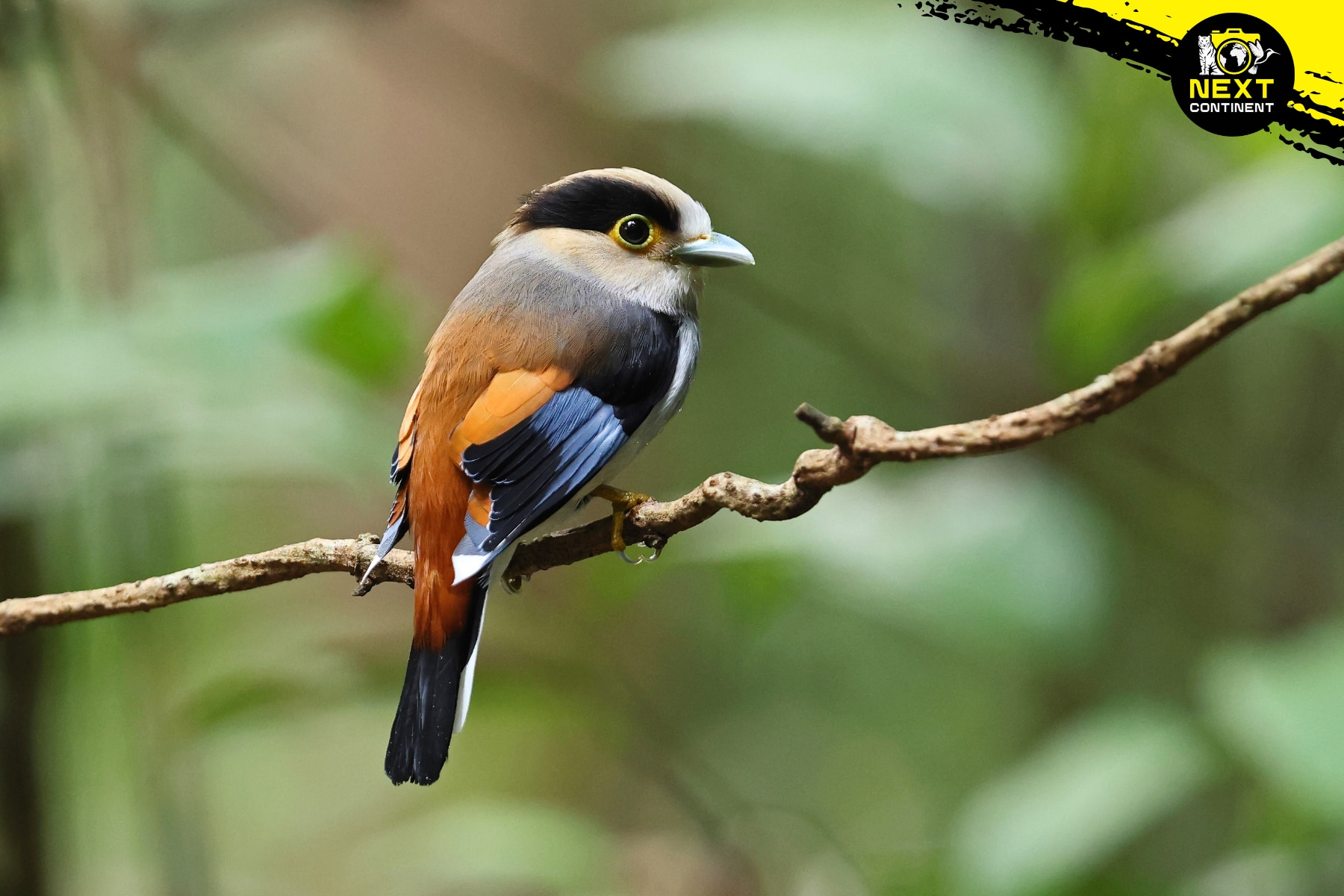
We begin the morning with a final birding session inside Cat Tien National Park, focusing on any key target species not yet encountered. Depending on recent activity, we may revisit productive forest trails or edge habitats in search of species missed during previous days. Later in the morning, we depart Cat Tien and begin the drive to the Di Linh Plateau, ascending into the cooler forested highlands of Lam Dong Province. After check-in and a short rest, we head to nearby San Pass for an afternoon birding session. San Pass is a productive mid-elevation forest corridor along the southern edge of the Langbian Plateau, where lowland and montane avifauna overlap. Target species here include Long-tailed Broadbill, Silver-breasted Broadbill, Blue Pitta, Black-headed Parrotbill, Red-vented Barbet, Indochinese Barbet, Black-chinned Yuhina and the vocal Collared Owlet. Accommodation on the Di Linh Plateau.
Day 5: San Pass – Da Lat
We begin the day with early morning birding around San Pass, giving us another opportunity to connect with any key species missed the previous afternoon. In the cool morning conditions, we may again search for targets such as Blue Pitta, Long-tailed Broadbill and Collared Owlet, along with a variety of forest barbets, yuhinas and babblers. Later in the morning, we check out and transfer north to Da Lat, ascending into the heart of the Langbian Plateau, one of Vietnam’s premier montane birding regions and home to several near-endemic and endemic species. In the afternoon, we explore the forests around Datanla Waterfall and Tuyen Lam Lake, where a mix of pine woodland, broadleaf forest and shrub habitat supports a rich highland avifauna. Key target species include Mrs. Gould’s Sunbird, Black-throated Sunbird, Black-throated Tit, Green-backed Tit, Rufous-capped Babbler and Long-tailed Minivet. We will also search for two of the region’s most desirable specialties, the near-endemic Grey-crowned Crocias and the Langbian endemic Vietnamese Cutia. Accommodation in Da Lat.
Day 6-7: Da Lat Plateau
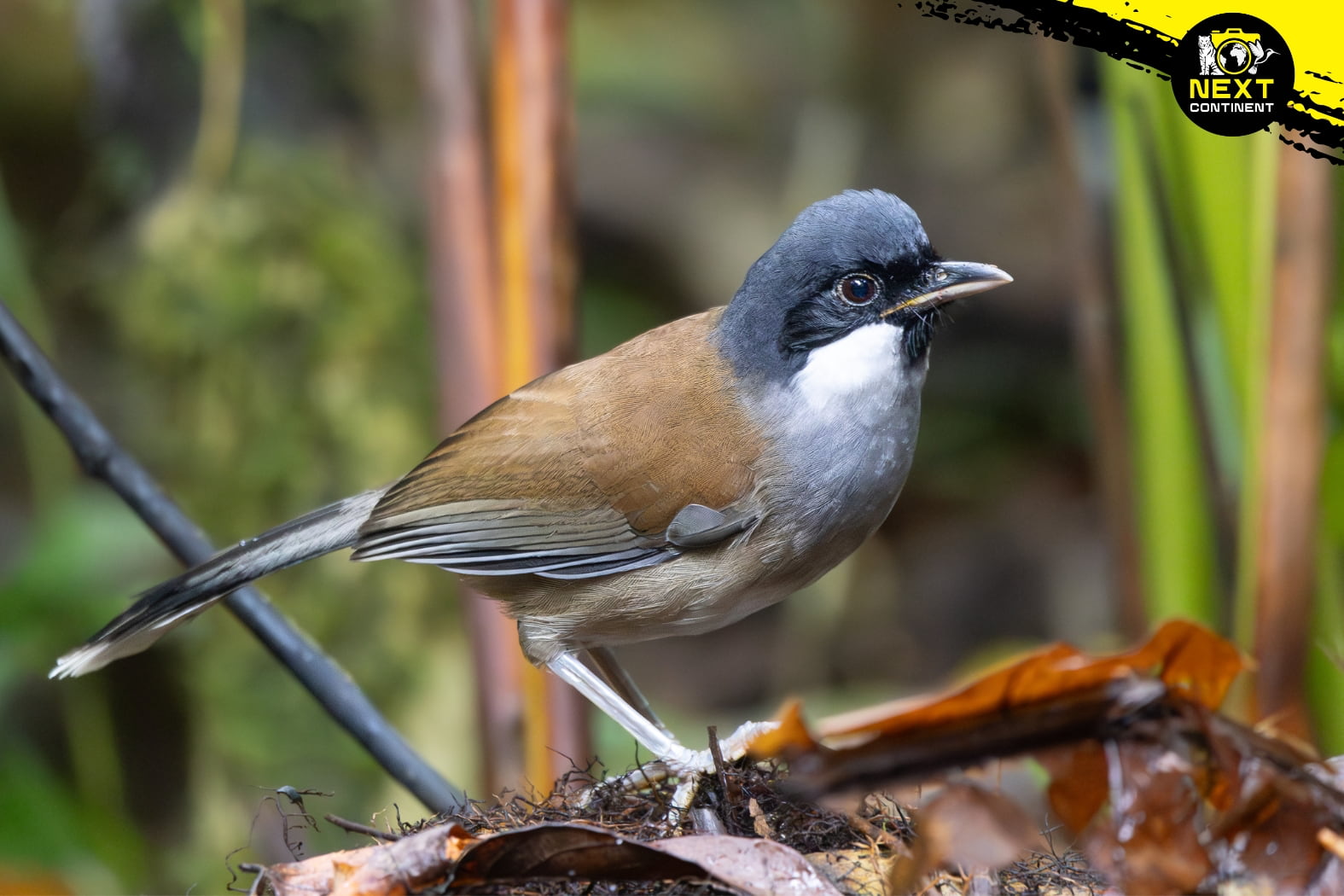
We spend the next two days exploring the montane forests and pine-covered ridges of the Da Lat Plateau, one of Vietnam’s premier birding regions and home to a remarkable collection of endemic and range-restricted species from the Annamite Highlands. Traveling between key sites by vehicle and birding mainly on foot, we will explore a variety of habitats including evergreen broadleaf forest, pine woodland and forest edge scrub, to name a few. The Da Lat Plateau is particularly renowned for its suite of regional endemics, and over the coming days we will focus on finding specialties such as Vietnamese Cutia, Grey-crowned Crocias, Orange-breasted Laughingthrush, Collared Laughingthrush, Dalat Bush Warbler, Annam Prinia, White-cheeked Laughingthrush, Black-hooded Laughingthrush, Indochinese Green Magpie, Yellow-billed Nuthatch, Langbian Tit, Grey-crowned Tit and Yellow-eyed Babbler, among many others. To maximise opportunities, we will also spend time in less disturbed areas, which regularly attracts secretive forest species such as Rusty-naped Pitta, Blue Pitta and Spotted Forktail. These two days provide some of the best birding of the tour, combining exceptional montane specialties with the scenic landscapes of Vietnam’s southern highlands.
Day 8: Da Lat – Yok Don
We dedicate our final morning in Da Lat to searching for any remaining target species missed over the previous days. Depending on recent activity, we may revisit productive highland forest patches or pine–broadleaf ecotones in search of some of the region’s more elusive endemics and specialties. Later in the morning, we depart Da Lat and begin the journey northwest to Yok Don National Park near the Cambodian border. The change in scenery is dramatic as we descend into Vietnam’s largest area of dry dipterocarp forest, a unique habitat unlike anywhere else on the tour and home to a very different suite of bird species. After arriving in the afternoon, we begin birding in Yok Don’s dry deciduous woodland and open-canopy forest. This habitat supports many species characteristic of mainland Southeast Asia’s drier interior regions, with key targets including Burmese Nuthatch, Chinese Francolin, Rufous-bellied Woodpecker, Black-headed Woodpecker, White-bellied Woodpecker, Great Slaty Woodpecker, White-rumped Falcon, Crested Treeswift, Rufous Treepie and Velvet-fronted Nuthatch. Accommodation in Yok Don National Park.
Day 9: Yok Don – Mang Den
We begin the morning with a final session in Yok Don National Park, either revisiting productive forest areas in search of remaining dry forest specialists such as White-rumped Falcon, Great Slaty Woodpecker and Burmese Nuthatch, or joining a guided conservation program offering the opportunity to observe Asian Elephant in cooperation with local communities and park authorities. Following the morning activities, we depart Yok Don and begin the journey to Mang Den in Vietnam’s Central Highlands. As we travel north, the landscape gradually changes from dry deciduous woodland to cooler mid-elevation forest typical of the northern Annamite foothills. After arriving in the afternoon, we head directly to nearby Mang Canh Forest, a biologically rich montane forest area supporting a wide range of highland specialties. Key target species include Long-tailed Shrike, Golden Babbler, Vietnamese Cutia, White-browed Shrike-Babbler, Clicking Shrike-Babbler, Black-eared Shrike-Babbler, Grey-headed Parrotbill, Hodgson’s Hawk-Cuckoo, Brown-crowned Scimitar Babbler and Sultan Tit. Of particular interest is the elusive Chestnut-eared Laughingthrush, a range-restricted species found only in this part of Vietnam.
Day 10: Mang Den – Ngoc Linh
We begin the morning with birding in the forests around Mang Canh, focusing on some of the region’s most difficult and range-restricted species. Our main target is the elusive Chestnut-eared Laughingthrush, one of Vietnam’s rarest endemic birds. Other species we may encounter include Rufous-faced Warbler, Black-throated Sunbird, Mrs. Gould’s Sunbird, Yellow-cheeked Tit and Spot-throated Babbler. Later in the morning, we check out and begin the journey to Ngoc Linh Nature Reserve near Tu Mơ Rông, ascending deeper into the remote mountains of central Vietnam. The route offers spectacular scenery as we enter one of the country’s least-visited birding regions. After arriving, we take the afternoon to rest and enjoy the surroundings, as the birding areas here are located some distance from our accommodation and require early starts for access. If time permits, we may enjoy some light birding or a short spotlighting session around the area in search of nocturnal wildlife. Accommodation near Ngoc Linh Nature Reserve.
Day 11: Ngoc Linh
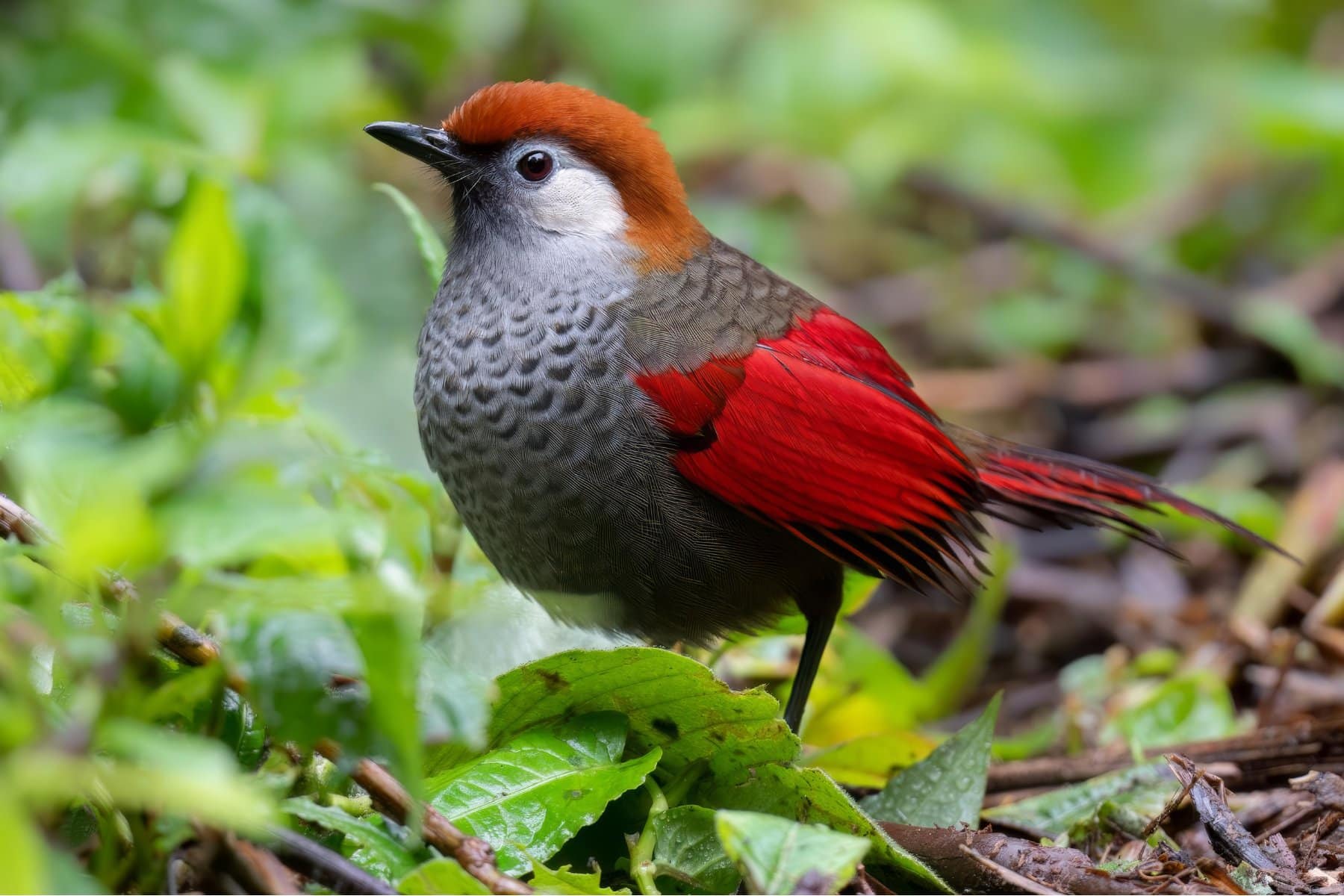
We spend the full day birding the montane forests of Ngoc Linh Nature Reserve, one of the most remote and exciting birding regions in Vietnam. The cool high-elevation forests here support a remarkable collection of Annamite specialties and some of the rarest birds of the tour. Our primary targets include Golden-winged Laughingthrush, Red-tailed Laughingthrush, Black-crowned Barwing and Indochinese Fulvetta. Other highly desirable species possible in the area include Rusty-capped Fulvetta, Rufous-winged Fulvetta, Brown-crowned Scimitar Babbler and, with some luck, both Purple and Green Cochoa. After dark, we will have another spotlighting session around the forest roads and nearby habitat in search of nocturnal birds and mammals.
Day 12: Ngoc Linh – Da Nang City
We begin the morning with birding around Lo Xo Pass, one of central Vietnam’s most scenic mountain passes and an excellent area for mid-elevation forest species. Later in the morning, we check out and begin the drive to Da Nang. This is primarily a transfer day, with a journey of around six hours from Ngoc Linh to the coast. Along the way, we may pick up a number of widespread but desirable birds still missing from the trip list, including Plaintive Cuckoo, Green-eared Barbet, Puff-throated Babbler, House Swift, Black Eagle, Lesser Necklaced Laughingthrush and Crimson Sunbird. Arriving in Da Nang, we may have the opportunity to unwind and enjoy one of Vietnam’s most scenic coastal cities, known for its long white-sand beaches, excellent food and relaxed atmosphere, a welcome break after almost 2-weeks of birding. Accommodation in Da Nang.
Day 13: Da Nang / Hoi An
An early start sees us heading to Hoi A for Next Continent’s signature private dawn birding cruise along the Thu Bon River, including a large spread of traditional Hoi An-style Vietnamese breakfast. Birding the riverbanks, wetlands and coastal edges from the water provides a unique perspective and excellent opportunities for a range of species. Key targets include Pied Kingfisher, White-throated Kingfisher, Freckle-breasted Woodpecker, Masked Laughingthrush and Indian Cuckoo, along with a variety of shorebirds and waterbirds such as Common Redshank, Spotted Redshank, Eurasian Whimbrel, Tibetan Sand Plover and Whiskered Tern. Later in the day, we explore productive paddyfields and nearby coastal habitats in search of some of Vietnam’s most sought-after wintering migrants. Depending on conditions, possible species include Northern Pintail, Tufted Duck, Siberian Stonechat, Black-faced Spoonbill and Eurasian Spoonbill, all species that we have been recording here regularly in recent years. Other targets may include Greater Painted-snipe, Red-throated Pipit, wagtails, buntings and a range of wetland birds. In the afternoon, those wishing to continue exploring, an optional visit to the Son Tra Peninsula offers the chance to search for the spectacular Red-shanked Douc Langur, one of Asia’s most striking primates. Accommodation in Da Nang. After dark, we finish the day with spotlighting around open country and coastal scrub at some of our very reliable spots for Indian Nightjar, Savanna Nightjar and Eastern Barn Owl. Accommodation in Da Nang.
Day 14: Bach Ma National Park
We depart Da Nang early in the morning and begin the journey into the Annamite Mountains, traveling to Bach Ma National Park, one of central Vietnam’s premier birding destinations. Before ascending into the mountains, we spend time birding the surrounding paddyfields and wetlands, which can be highly productive for open-country and wetland species. Possible birds here include Ashy Woodswallow, Red-billed Starling, Slaty-breasted Rail, Common Snipe, Cinnamon Bittern and Striated Grassbird. Continuing into Bach Ma National Park, we bird progressively higher elevations from the park entrance through to the summit area, exploring a variety of forest habitats along the way. Bach Ma’s montane forests support an exceptional diversity of Indochinese specialties, with possible targets including Rufous-throated Partridge, Silver Pheasant, Red-headed Trogon, Austen’s Brown Hornbill, Silver-breasted Broadbill, Ratchet-tailed Treepie, White-winged Magpie, Indochinese Green Magpie, Necklaced Barbet, Streaked Wren-babbler, Sultan Tit and Golden Babbler. At night, we’ll spotlight for Mountain Scops Owl, Spot-bellied Eagle Owl and Hodgson’s Frogmouth. Accommodation in Bach Ma National Park.
Day 15: Bach Ma National Park
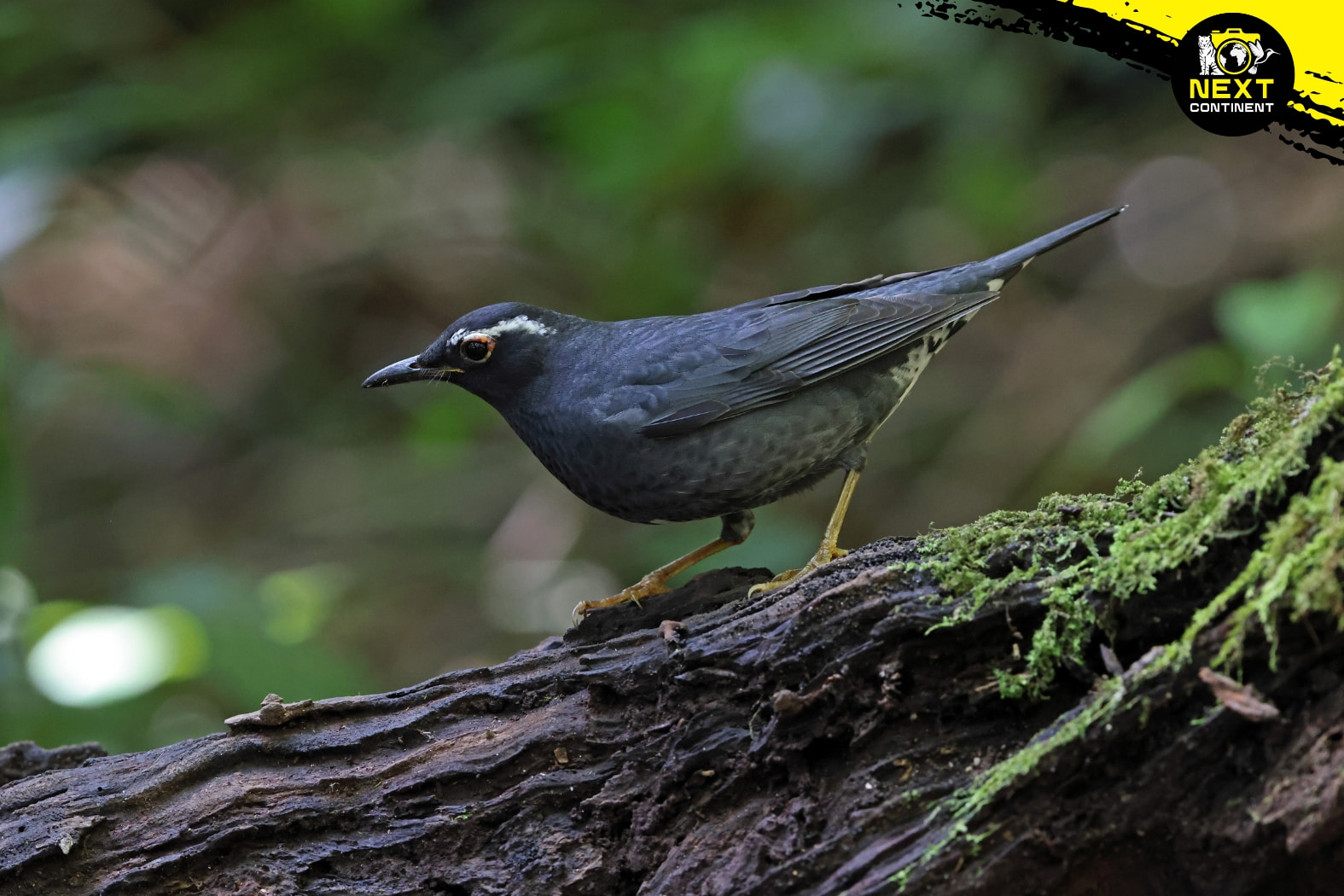
We spend a second full day exploring the forests and mountain roads of Bach Ma National Park, continuing our search for as many Annamite specialties as possible. Key targets include Scaly-breasted Partridge, Barred Cuckoo-Dove, Square-tailed Drongo-Cuckoo, Common Cuckoo, Mountain Hawk-Eagle, Black Eagle, Red-headed Trogon, Bay Woodpecker, Grey-chinned Minivet, White-browed Shrike-Babbler, White-bellied Erpornis, Bronzed Drongo, Blyth’s Paradise Flycatcher, Puff-throated Bulbul, Grey-cheeked Warbler, Kloss’s Leaf Warbler, Black-throated Tit, Indochinese Yuhina, White-browed Scimitar Babbler, Siberian Thrush, Hainan Blue Flycatcher, Slaty-backed Forktail, Red-flanked Bluetail, Fork-tailed Sunbird and Olive-backed Pipit. Alongside these targets, mixed feeding flocks and roadside birding may produce a constantly changing selection of babblers, flycatchers, leaf warblers and other montane forest species throughout the day.
Day 16-17: Phong Nha Ke Bang National Park
We begin the morning with a final birding session in Bach Ma National Park before departing north toward Phong Nha–Ke Bang National Park, one of Vietnam’s most spectacular protected areas and home to vast limestone karst landscapes, dense forest and an impressive diversity of central Vietnamese birdlife. After arriving in the afternoon, we begin birding in the forests surrounding Phong Nha, where we will spend the next two days exploring a mixture of limestone forest and lowland evergreen habitat. This region supports a unique assemblage of birds, including the recently described and near-endemic Sooty Babbler, one of the area’s most sought-after specialties. Other key targets over our time in Phong Nha include Tonkin Partridge, White-bellied Green Pigeon, Brown Fish Owl, Red-collared Woodpecker, White-winged Magpie, Indochinese Wren-Babbler, Asian Emerald Cuckoo, Cook’s Swift, Oriental Hobby and Spot-necked Babbler. These two days also provide an excellent opportunity to continue searching for any remaining Annamite and central Vietnamese forest specialists missed earlier in the tour. Accommodation in Phong Nha.
Day 18-19: Cuc Phuong National Park
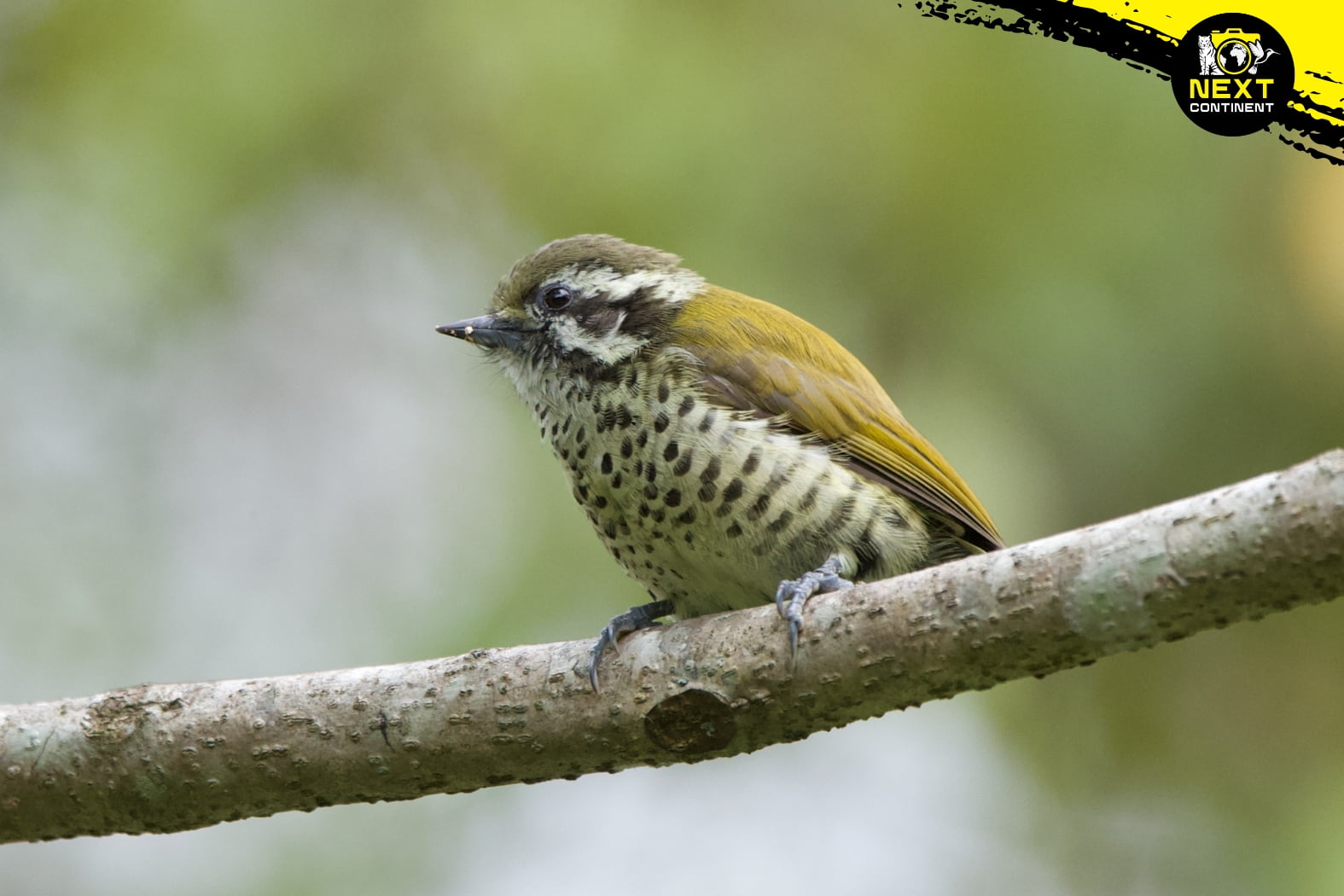
We begin the morning with a final birding session in Phong Nha–Ke Bang National Park before departing north toward Cuc Phuong National Park, Vietnam’s oldest national park and one of the country’s classic birding destinations. The journey takes us further into northern Vietnam, where the birdlife begins to shift toward a mix of Indochinese and subtropical species. After arriving in the afternoon, we begin birding in the forests surrounding Cuc Phuong, where we will spend the next two days exploring limestone forest, mature lowland woodland and forest edge habitats. The park is particularly well known for its diversity of forest birds and wintering migrants, offering an excellent opportunity to add a wide range of northern specialties to the trip list. Key targets during our time in Cuc Phuong include Malayan Night Heron, Pied Falconet, Silver Pheasant, Silver-breasted Broadbill, Indochinese Green Magpie, Limestone Leaf Warbler, Rufous-throated Fulvetta, Mountain Hawk-Eagle, Brown Wood Owl, Red-vented Barbet, White-browed Piculet, Grey-capped Pygmy Woodpecker, Hair-crested Drongo, Bianchi’s Warbler, Asian Stubtail, White’s Thrush, Black-breasted Thrush, Japanese Thrush, Fujian Niltava, Fork-tailed Sunbird and Purple-naped Spiderhunter. These two days also provide another excellent opportunity to continue searching for any remaining northern forest specialties and difficult targets missed earlier in the tour. Accommodation in Cuc Phuong National Park.
Day 20: Cuc Phuong National Park – Van Long Nature Reserve
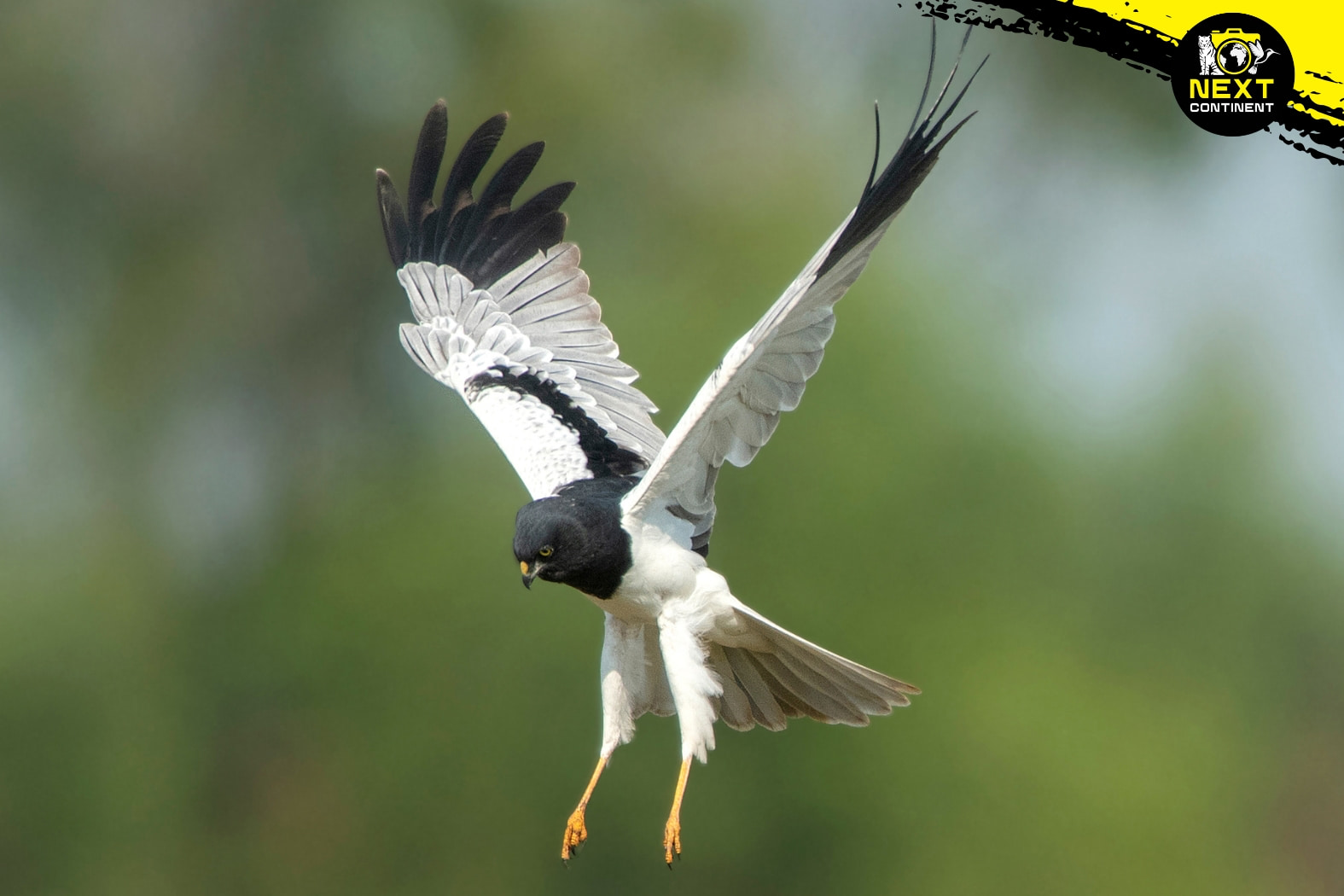
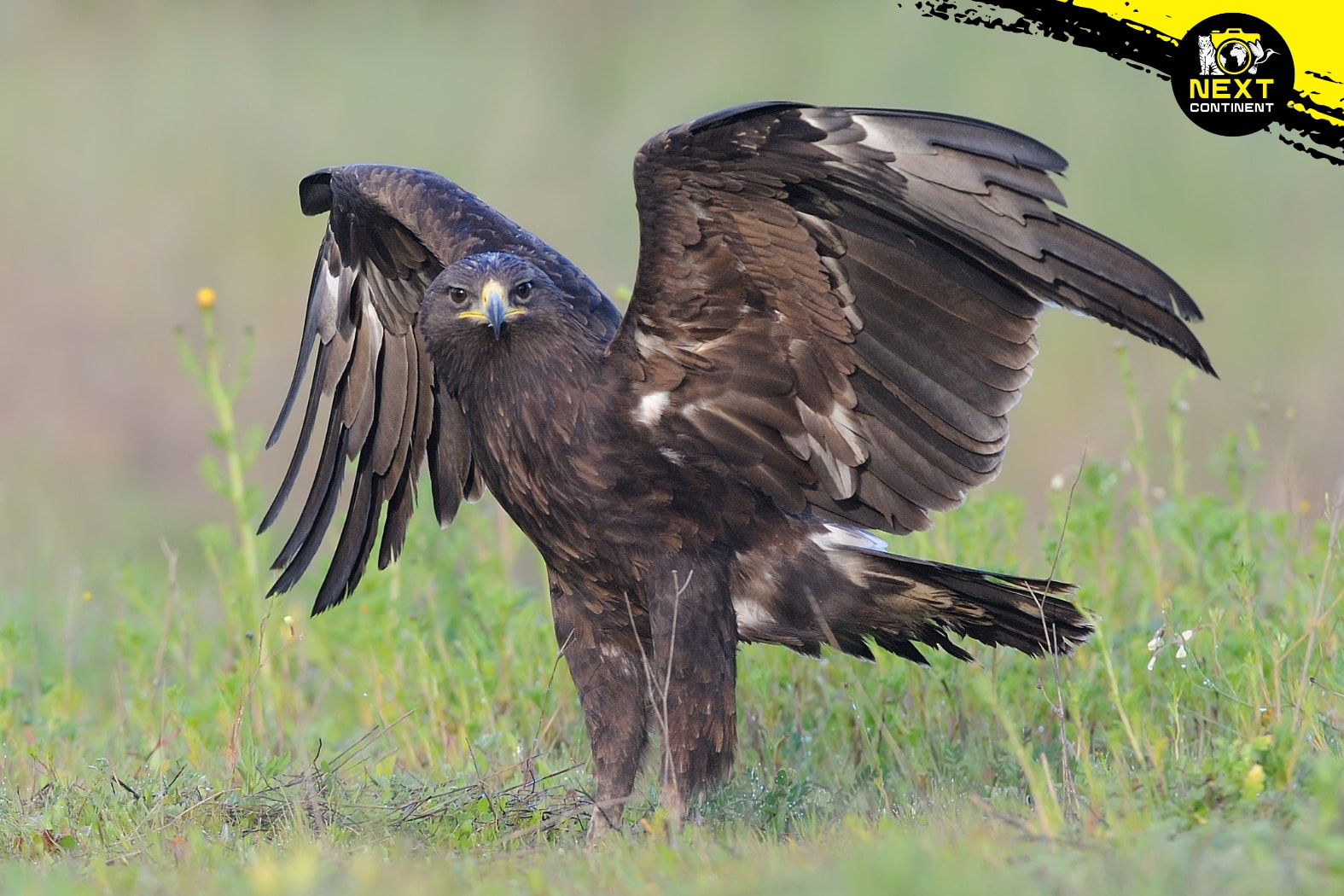
We begin the morning with a final birding session in Cuc Phuong National Park before checking out and traveling east to Van Long Nature Reserve, a spectacular wetland and limestone karst landscape in northern Vietnam. After arriving, we explore the reserve by traditional boat, drifting quietly through reedbeds, open wetlands and towering limestone formations. During winter, Van Long attracts an impressive range of migratory waterbirds and raptors, making it one of the most productive wetland birding areas in northern Vietnam. Possible species include Garganey, Northern Shoveler, Falcated Duck, Green-winged Teal and Ferruginous Duck, along with wetland birds such as Ruddy-breasted Crake, Pheasant-tailed Jacana and Black Bittern. The reserve is also excellent for birds of prey, with chances for Greater Spotted Eagle, Bonelli’s Eagle, Eastern Marsh Harrier, Pied Harrier and Eurasian Kestrel. Our main target here, however, is the highly localised Annam Limestone Babbler, a sought-after limestone specialist found within the karst forests surrounding the reserve. Additional birding along the roads and dykes around Van Long may also produce a variety of buntings, pipits, wagtails and other winter migrants. Accommodation near Van Long Nature Reserve.
Day 21: Van Long Nature Reserve – Ba Vi National Park
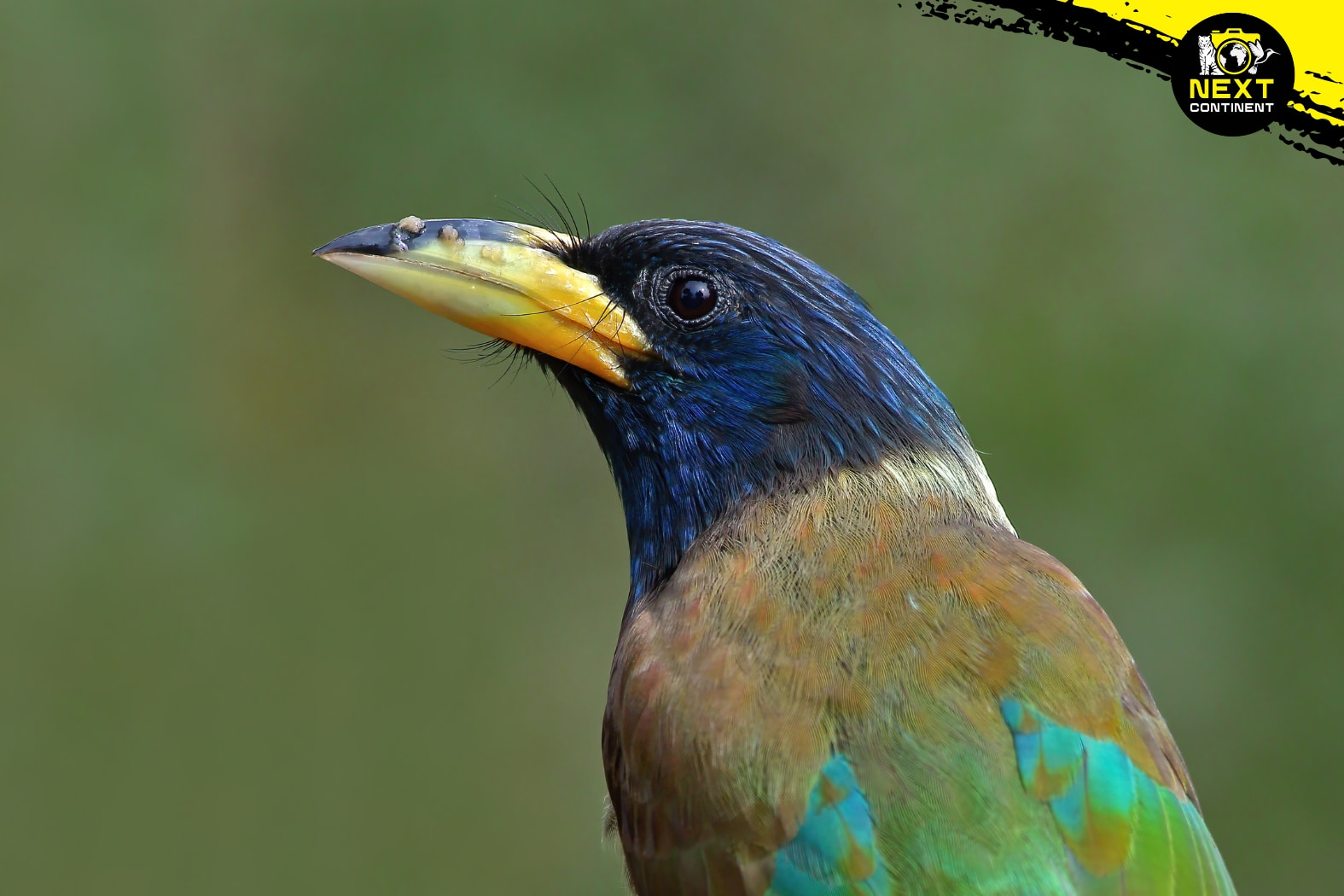
We begin the morning with a final birding session around Van Long Nature Reserve, focusing on any remaining wetland or scrubland targets and searching for additional winter migrants around the reserve’s reedbeds, agricultural edges and limestone foothills. Later in the morning, we depart Van Long and travel to Ba Vi National Park, a forested mountain range rising above the Red River Delta west of Hanoi. The cooler montane forests of Ba Vi support a distinctive mix of northern Vietnamese and subtropical bird species, providing another excellent change in habitat as the tour nears its conclusion. After arriving, we begin birding the forest trails and roadside habitats of the park. Key target species here include Rufous-cheeked Laughingthrush, Great Barbet, Grey Treepie, Silver-breasted Broadbill, Mountain Tailorbird, Golden Babbler, Grey-throated Babbler, White-crowned Forktail and Fire-breasted Flowerpecker. Accommodation in Ba Vi National Park.
Day 22: Ba Vi National Park – Tam Dao
We begin the morning with a final birding session in Ba Vi National Park before departing north toward Tam Dao National Park, one of northern Vietnam’s most important montane birding areas. After arriving, we begin birding the forests and roadside habitats around Tam Dao, a region well known for several highly localised and difficult-to-see specialties rarely encountered elsewhere in Vietnam. This first afternoon will mainly focus on more widespread forest species and mixed feeding flocks, while saving some of the park’s toughest targets for a very early start the following morning. Tam Dao is also an excellent area for migrating raptors and swifts, particularly during favourable weather conditions, and overhead movement can sometimes include impressive numbers of birds passing through the mountain ridges. Among the key targets during our time here are Blue-naped Pitta, Chestnut Bulbul, Short-tailed Parrotbill and Grey Laughingthrush. Other species possible include Red-billed Blue Magpie, Rufous-headed Parrotbill, Streak-breasted Scimitar-Babbler, Green Cochoa, Black-throated Laughingthrush and, with some luck, the scarce Tristram’s Bunting. Accommodation in Tam Dao National Park.
Day 23-24:
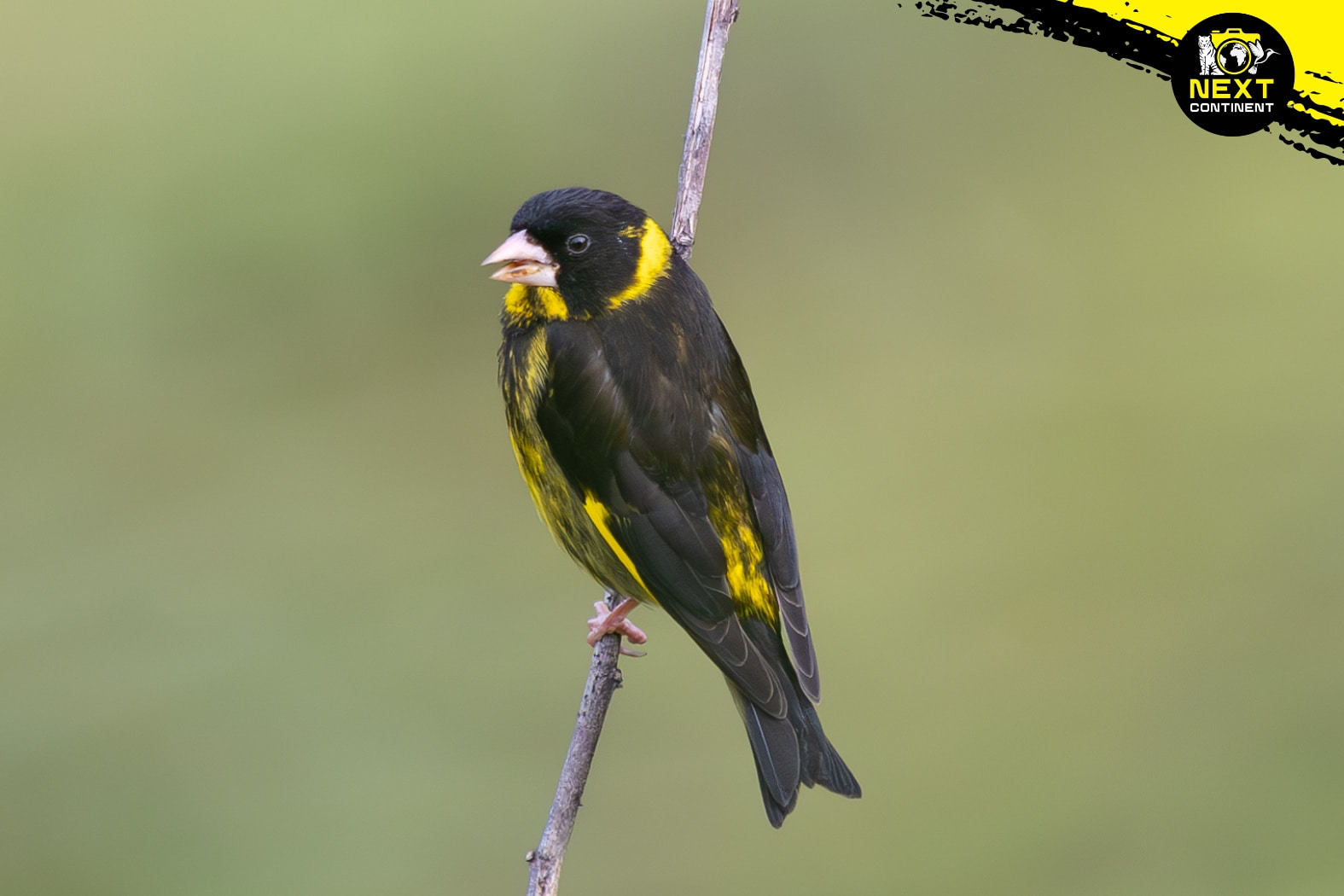
We begin the morning with a final early birding session in Tam Dao National Park, focusing on any remaining key targets before departing north toward the mountains of Sa Pa. The journey takes us into the highest elevations of the tour, ascending into the dramatic landscapes of far northern Vietnam near the Chinese border. Over the following days, we explore the forests, valleys and high mountain slopes surrounding Sa Pa, one of the country’s premier locations for rare Sino-Himalayan and high-elevation bird species. The cooler montane climate and rugged terrain here support a very different avifauna to the rest of Vietnam, with many species reaching the southern limits of their global range. Birding in the Sa Pa region will focus on a mixture of mossy montane forest, bamboo thickets, forest edge and highland scrub, with an emphasis on difficult and range-restricted mountain specialists. Key target species include Crimson-breasted Woodpecker, Black-headed Shrike-Babbler, Chinese Great Spotted Woodpecker, Crested Finchbill, Spot-breasted Parrotbill, White-collared Yuhina, Pale-throated Wren-Babbler, Red-winged Laughingthrush, Silver-eared Laughingthrush, Gould’s Shortwing, Beautiful Nuthatch, Black-headed Greenfinch, Yellow-bellied Flowerpecker, Rufous-bellied Niltava, Slender-billed Scimitar-Babbler and Tonkin Fulvetta. The region is also renowned for producing a variety of scarce winter visitors, mixed feeding flocks and high-elevation rarities, making these final days some of the most exciting and unpredictable birding of the entire tour. Spotlighting and optional night birding sessions may also provide opportunities for nocturnal species depending on conditions. Accommodation in Sa Pa.
Day 25: Sa Pa – Ha Noi
We enjoy a final morning of birding around the forests and mountain habitats of the Sa Pa region, giving us one last opportunity to connect with any remaining high-elevation specialties and northern Vietnamese targets missed over the previous days. Later in the morning, we begin the journey back to Hà Nội, descending from the mountains and returning to the capital by afternoon. Depending on timing, there may be opportunities for additional roadside birding or final views of the northern countryside along the way. Tour concludes in Hà Nội.
Birding Targets
Below is a selection of the major bird species that we will target on this tour. It is not an exhaustive list of all species we expect to encounter, but rather a collection of many of the key highlights, including rare and localised birds, globally threatened species, Indochinese specialties, and numerous Vietnamese endemics and near-endemics. Some of these birds may be easier to see elsewhere in Asia, while others are among the most sought-after and range-restricted species in the region. Although we cannot guarantee that every species listed will be seen, our previous tours have recorded the majority of these birds and we have an excellent chance of finding many of them throughout the expedition.
Our tour begins in the south with shorebirding around Go Cong, where we will search for globally threatened migrants including Spoon-billed Sandpiper, Nordmann’s Greenshank, Great Knot, Red Knot and Far Eastern Curlew, alongside a variety of mangrove specialists such as Mangrove Whistler, Malaysian Pied Fantail, Golden-bellied Gerygone and Ashy Tailorbird. In Cat Tien National Park we focus on some of Vietnam’s premier lowland forest birds including Orange-necked Partridge, Siamese Fireback, Green Peafowl, Banded Kingfisher, Dusky Broadbill, Long-tailed Broadbill, Silver-breasted Broadbill, Black-and-red Broadbill, Banded Broadbill, Blue-rumped Pitta, Bar-bellied Pitta, Violet Cuckoo, Orange-breasted Trogon, Great Slaty Woodpecker, Collared Falconet, Grey-faced Tit-Babbler, Scaly-crowned Babbler, Asian Woolly-necked Stork, Stork-billed Kingfisher, Indochinese Roller, Asian Golden Weaver, White-rumped Falcon, Blossom-headed Parakeet, Chinese Francolin, Scarlet Minivet and Ruby-cheeked Sunbird. Night birding in Cat Tien offers opportunities for Great Eared Nightjar, Large-tailed Nightjar, Oriental Scops-Owl, Collared Scops-Owl, Asian Barred Owlet, Tawny Fish Owl, Brown Fish Owl, Spot-bellied Eagle Owl, Oriental Bay Owl and the highly sought-after Blyth’s Frogmouth.
Ascending into the southern highlands around Di Linh and Da Lat, we enter one of Vietnam’s richest regions for endemic and near-endemic birds. Key targets here include Vietnamese Cutia, Grey-crowned Crocias, Orange-breasted Laughingthrush, Collared Laughingthrush, Black-hooded Laughingthrush, White-cheeked Laughingthrush, Dalat Bush Warbler, Annam Prinia, Black-headed Parrotbill, Yellow-billed Nuthatch, Indochinese Green Magpie, Grey-crowned Tit, Langbian Tit, Black-throated Tit, Green-backed Tit, Long-tailed Minivet, Black-throated Sunbird, Mrs. Gould’s Sunbird, Rufous-capped Babbler, Rusty-naped Pitta, Blue Pitta and Spotted Forktail. Additional montane specialties include Red-vented Barbet, Indochinese Barbet, Black-chinned Yuhina and Collared Owlet.
Further north in Yok Don National Park we target a very different avifauna associated with dry dipterocarp forest, including Burmese Nuthatch, Rufous-bellied Woodpecker, Black-headed Woodpecker, White-bellied Woodpecker, Great Slaty Woodpecker, Crested Treeswift, Rufous Treepie and Velvet-fronted Nuthatch. In Mang Den and Ngoc Linh we focus on some of Vietnam’s rarest Annamite specialties, including Chestnut-eared Laughingthrush, Golden-winged Laughingthrush, Red-tailed Laughingthrush, Black-crowned Barwing, Indochinese Fulvetta, Rusty-capped Fulvetta, Rufous-winged Fulvetta, Golden Babbler, White-browed Shrike-Babbler, Clicking Shrike-Babbler, Black-eared Shrike-Babbler, Grey-headed Parrotbill, Brown-crowned Scimitar-Babbler, Spot-throated Babbler, Rufous-faced Warbler, Yellow-cheeked Tit and, with luck, both Purple and Green Cochoa.
In central Vietnam, Bach Ma National Park and Phong Nha–Ke Bang National Park offer some of the finest birding in the Annamites. Here we will search for Rufous-throated Partridge, Scaly-breasted Partridge, Silver Pheasant, Austen’s Brown Hornbill, Wreathed Hornbill, Red-headed Trogon, Ratchet-tailed Treepie, White-winged Magpie, Indochinese Green Magpie, Necklaced Barbet, Sultan Tit, Streaked Wren-Babbler, White-browed Scimitar-Babbler, Puff-throated Bulbul, Grey-cheeked Warbler, Kloss’s Leaf Warbler, Hainan Blue Flycatcher, Slaty-backed Forktail, Red-flanked Bluetail, Fork-tailed Sunbird, Tonkin Partridge, Sooty Babbler, Indochinese Wren-Babbler, Red-collared Woodpecker, White-bellied Green Pigeon, Spot-necked Babbler and Oriental Hobby. Additional possibilities throughout central Vietnam include Mountain Scops Owl, Hodgson’s Frogmouth, Black Eagle, Mountain Hawk-Eagle, Bay Woodpecker, Bronzed Drongo, Blyth’s Paradise Flycatcher and Siberian Thrush.
Northern Vietnam provides a final shift in birdlife as we explore Cuc Phuong, Van Long, Ba Vi, Tam Dao and Sa Pa. Highlights may include Malayan Night Heron, Pied Falconet, Limestone Leaf Warbler, Rufous-throated Fulvetta, Bianchi’s Warbler, Asian Stubtail, Fujian Niltava, White’s Thrush, Japanese Thrush, Purple-naped Spiderhunter, Annam Limestone Babbler, Ruddy-breasted Crake, Pheasant-tailed Jacana, Black Bittern, Greater Spotted Eagle, Bonelli’s Eagle, Pied Harrier, Rufous-cheeked Laughingthrush, Grey Treepie, Mountain Tailorbird, White-crowned Forktail, Fire-breasted Flowerpecker, Chestnut Bulbul, Short-tailed Parrotbill, Grey Laughingthrush, Red-billed Blue Magpie, Rufous-headed Parrotbill, Black-throated Laughingthrush, Crimson-breasted Woodpecker, Beautiful Nuthatch, Black-headed Greenfinch, Gould’s Shortwing, Silver-eared Laughingthrush, Pale-throated Wren-Babbler, Spot-breasted Parrotbill, White-collared Yuhina, Slender-billed Scimitar-Babbler and Tonkin Fulvetta.
Throughout the tour we will also encounter an excellent diversity of widespread Asian forest birds, raptors, migrants and wetland species, making this one of the most comprehensive birding journeys available in Vietnam and an outstanding introduction to the country’s remarkable avifauna.
Other Wildlife
It’s no secret that where birding is spectacular, other wildlife experiences often follow, and this tour is no exception. Whilst this is certainly a birding focused experience, participants will experience spectacular mammals, primates, herps, butterfly watching and other notable wildlife along the way. Or previous 2025 tour featured approximately 30~ species of mammal including key primates such as Southern Yellow-cheeked Gibbon, Red-shanked Douc Langur, Annamese Langur, Southern Pygmy Slow Loris, Delacour’s Langur, East Asian Porcupine, Black Giant Squirrel, Southern Palm Civet, Mainland Leopard Cat and many more. The entire Next Continent team is trained across all major wildlife groups, so whilst the priority will be the birds, you will have support in identifying all the key mammals, herps and other wildlife we encounter across this expedition tour.
Tour Pace
This tour is moderately paced throughout, accounting for nearly 25 consecutive days in the field. It spans a wide range of environments, from tropical lowlands in the south to cooler high-elevation regions in central and northern areas, with climates that may be unfamiliar to some visitors. Along the way, the trip offers a diverse range of birding experiences, including stakeouts, forest hikes, boat trips, spotlighting, and more.
To help balance the pace, the itinerary includes occasional rest periods and longer travel days every 4–5 days to allow for recovery. Most sites feature well-maintained trails and roads, making walking and wildlife observation relatively straightforward. That said, tropical conditions can at times be hot and humid. As always, we’ll adjust the pace and daily focus to suit the group’s comfort, interests, and target species.
Group Size
Ask any seasoned birder what makes a tour truly successful and one of the first things they’ll mention is group size. In Southeast Asia, much of the most rewarding birding involves elusive and naturally shy forest species (pittas, laughingthrushes, pheasants, and other secretive birds) where quiet, low-impact observation is essential.
Larger groups can dramatically reduce the chances of meaningful encounters, let alone prolonged or unobstructed views. That’s why we limit this tour to a maximum of just seven participants, and will run it with as few as four. With two expert guides, we’re also able to split up when needed, cover more ground, and maximise opportunities to find and observe a wide range of species. It’s an ideal small-group setup designed specifically for dedicated birders seeking a more focused and rewarding field experience.
Climate & Weather Conditions
This tour runs from mid-February through to mid-March, one of the best periods for birding across Vietnam. Conditions are generally favourable throughout the country, with a mix of dry weather, mild temperatures in the north and central highlands, and warmer tropical conditions in the south. Guests should still be prepared for a wide range of climates, from hot and humid lowlands to cool montane forests.
Cat Tien National Park:
Typically hot and humid, with daytime temperatures often reaching 30–35°C (86–95°F). Early mornings and evenings are more comfortable, particularly within forested areas. February is generally drier, though isolated showers remain possible.
Da Lat & the Central Highlands (Mang Den, Ngoc Linh, Yok Don):
Conditions vary considerably depending on elevation. Da Lat and higher montane areas around Ngoc Linh can be cool, particularly at night and during early morning birding sessions, with temperatures occasionally dropping below 10°C (50°F). Days are usually mild and pleasant. Lower elevation sites such as Yok Don are warmer and drier, often with low humidity and comfortable conditions for field work.
Central Vietnam (Da Nang & Bach Ma):
Da Nang and coastal areas are typically warm and humid, while Bach Ma’s higher elevations are noticeably cooler and can experience mist, drizzle, or cloud cover, especially in the mornings. Weather here can be variable, though temperatures are generally comfortable for hiking and birding.
Tam Dao, Cuc Phuong & Northern Vietnam:
Northern Vietnam during this period is usually mild, with pleasant daytime temperatures and cooler mornings and evenings. Forested upland areas such as Tam Dao and Sa Pa can feel surprisingly cool, particularly in cloudy or misty conditions. Expect daytime temperatures generally between 15–28°C (59–82°F), depending on elevation.
Sa Pa:
As the highest region visited on the tour, Sa Pa is often the coolest site on the itinerary. Conditions can range from crisp and sunny to cold, foggy, and damp, especially during mornings and nights. Warm layers are highly recommended here.
Because this itinerary spans tropical lowlands, dry woodlands, montane forests, and high-elevation regions, guests should be prepared for a broad range of conditions. Lightweight, breathable clothing is ideal for daytime birding in the south, while warmer layers are essential for highland mornings, night excursions, and northern mountain regions. A light waterproof jacket is also recommended, particularly for Bach Ma, Tam Dao, and Sa Pa where mist and light rain are always possible.
Tour Inclusions
- 2x Expert Bird & Wildlife Guides
- Private Vehicle & Driver throughout tour in comfortable 16-seater van
- All Accommodation
- All specialist equipment (scope + tripod, spotlights, etc)
- Sa Pa cable car, boat cruises, jeep transfer, safaris, and other special features outlined in itinerary
- All necessary entrance tickets and permits
- Some Meals (as outlined in itinerary)
- Non-alcoholic beverages throughout the day
- Water bottles
- Comprehensive insurance coverage
- First aid and a COVID-safe environment
Photography Opportunites & Notes
Vietnam offers exceptional opportunities for bird photography and throughout this tour we expect to photograph the majority of species we encounter. Many of the country’s specialities (including pittas, laughingthrushes, pheasants, broadbills, barbets, and sunbirds) can often be observed at close range, particularly at well-established stakeout areas and along quiet forest trails. Combined with the sheer diversity of birds encountered across the country, this makes the tour highly rewarding for photographers of all experience levels.
While photography is strongly encouraged and there will be constant opportunities to capture images, this is not a dedicated photography tour in the traditional sense. Rather than spending extended periods at hides or focusing on prolonged portfolio-style sessions with a single species, the emphasis is on experiencing and observing as much birdlife as possible throughout the journey. Photography therefore runs parallel with the birding, allowing guests to enjoy both without compromising the pace and broader goals of the tour.
We highly encourage guests to bring cameras, as there will be many opportunities for excellent images throughout the trip. Telephoto lenses in the 400–600mm range are ideal for most situations, though shorter lenses can also be useful for habitat shots, larger species, and closer encounters. Conditions can vary from dark forest interiors to open woodland and canopy birding, so flexibility in gear can be beneficial. Our team includes experienced birders and photographers, and we’re always happy to assist with equipment advice or photographic techniques before and during the tour.
Tailor Your Experience
Looking to enhance your experience? Whether it’s adding an extra day, making an additional stop, arranging pick-up from a distant location, hiring a camera, or combining your tour with another one of our amazing experiences, we’ve got you covered. Get in touch today, and let our experts craft a private, customised itinerary with dates and prices tailored to your needs
Still have questions? Get in touch with us directly
- info@nextcontinent.travel
- Phone / WhatsApp / Zalo: (+84) 328 955 019
- Frequently Asked Questions