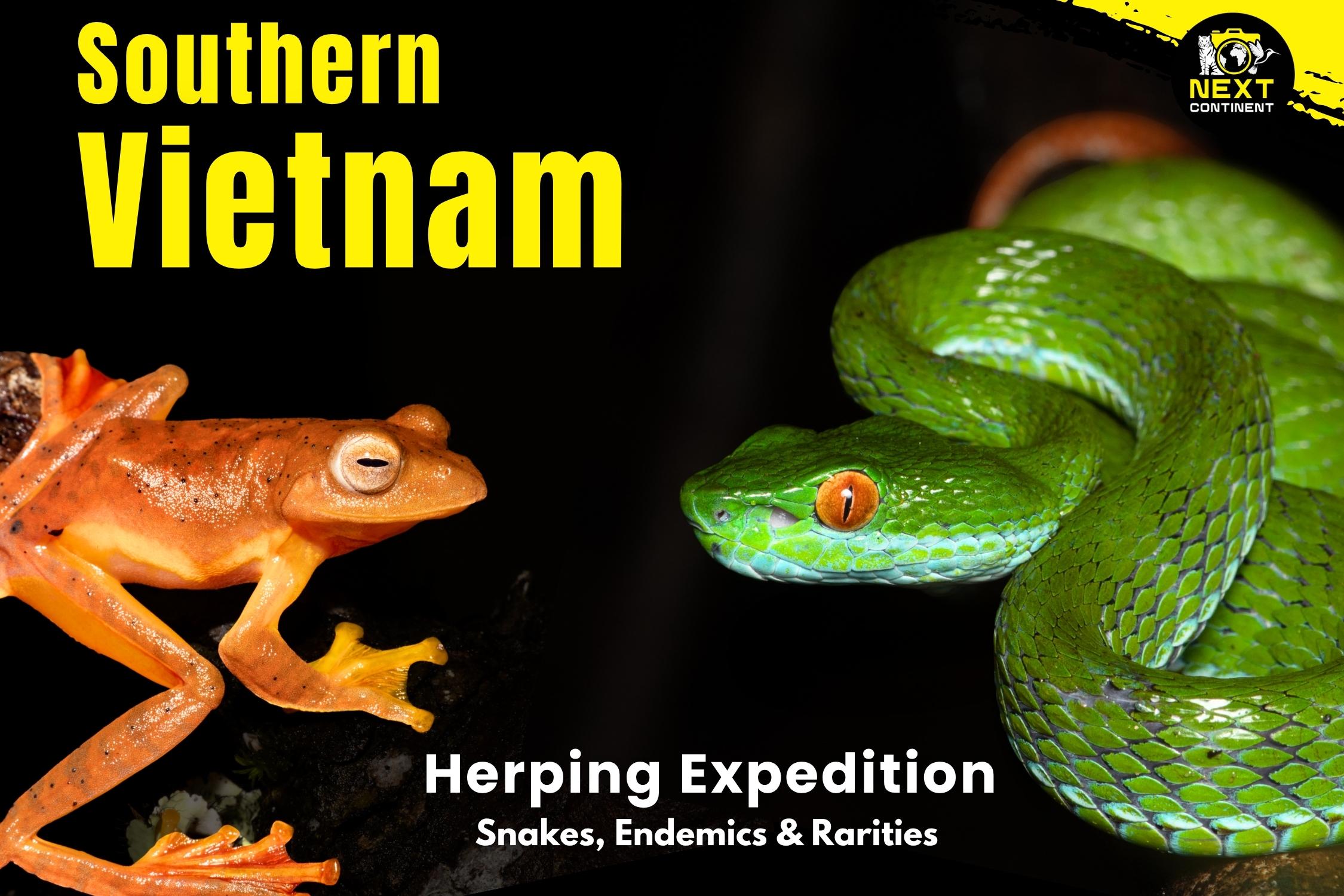
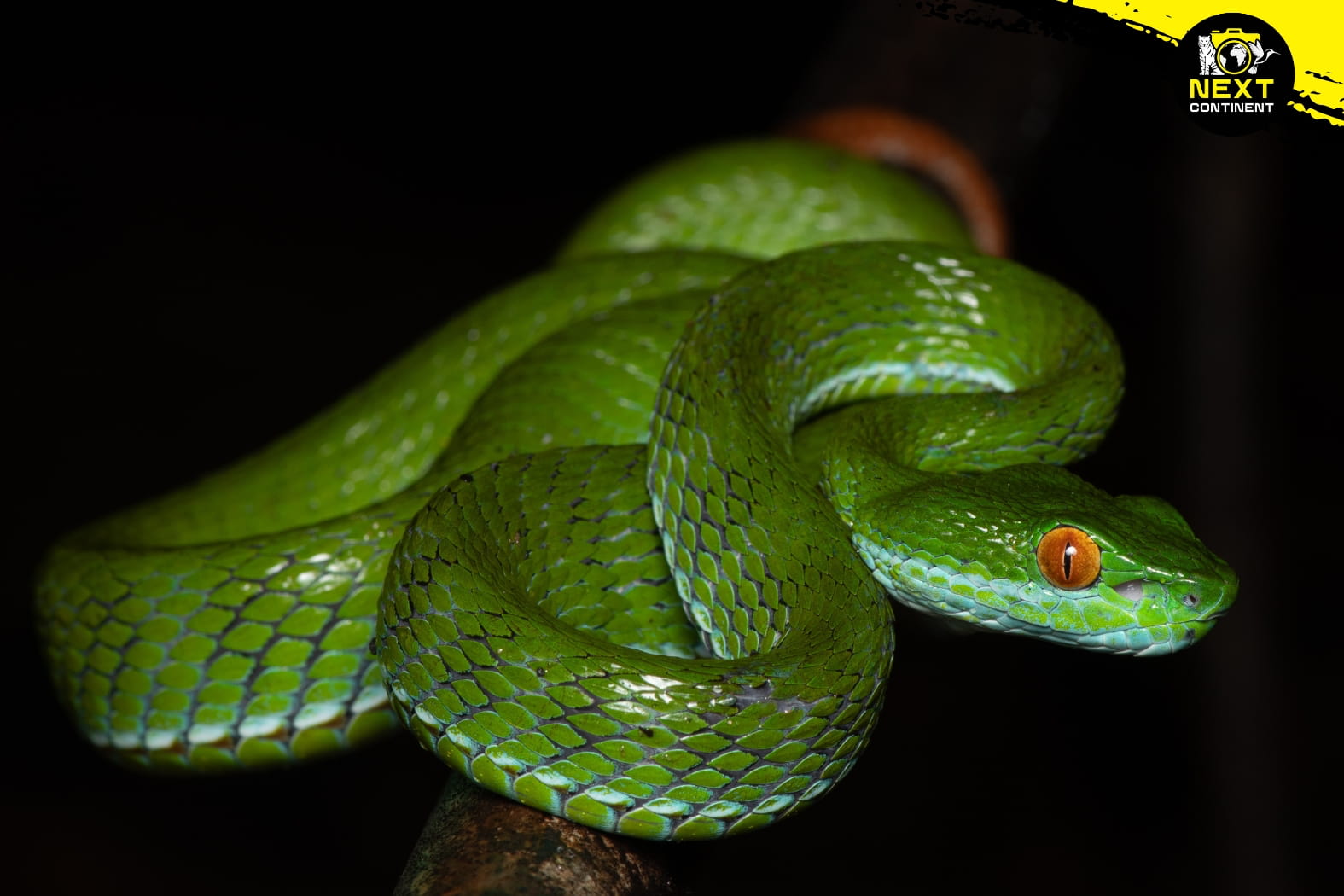
Southern Vietnam Herping Expedition: Snakes, Endemics & Rarities
Upcoming Dates:
> July 21-28th 2027
Join our annual group herping expedition through the forests and montane habitats of southern Vietnam, an 8-day trip focused on the region’s remarkable diversity of snakes, reptiles, frogs, geckos and endemic species. Exploring renowned herping localities including Cat Tien National Park, Dong Nai Biosphere Reserve, the Da Lat Plateau and Bidoup Nui Ba National Park, this tour is designed for dedicated and serious herpers seeking some of Vietnam’s rarest and most iconic species. With expert local herp guides, extensive night walks, road cruising, excellent photography & macro opportunities and access to pristine forest habitats, this is one of the most comprehensive herping expeditions in southern Vietnam.
Details
Summary:
— 8-Day / 7-Night Expedition (All-Inclusive)
— Small Group Tour: 3–6 Participants
— Led by 2x Professional Herping Guides
— Targets 15+ Snakes & 60+ Other Herps
— Access to Private Sites, Conservation Areas & National Parks
— Annual Departure with Limited Availability
Tour Price: $1,580 USD per person
(£1,185 GBP / €1,360 EUR / $2,210 AUD)
Single Supplement: $310 USD per person
(£232 GBP / €265 EUR / $435 AUD)
Deposit: 50% of the total tour price is required to secure your booking.
Southern Vietnam Herping Expedition: Snakes, Endemics & Rarities
Categories: Herping | Locations: Vietnam

Summary:
Join us for our annual Southern Vietnam Herping Expedition: Snakes, Endemics & Rarities, an 8-Day / 7-Night specialist herping tour focused on Vietnam’s best reptile and amphibian habitats. Designed for dedicated herpers and photographers, this expedition covers a wide range of lowland rainforest, coastal forest, wetland, and largely restricted montane habitats across southern and central Vietnam.
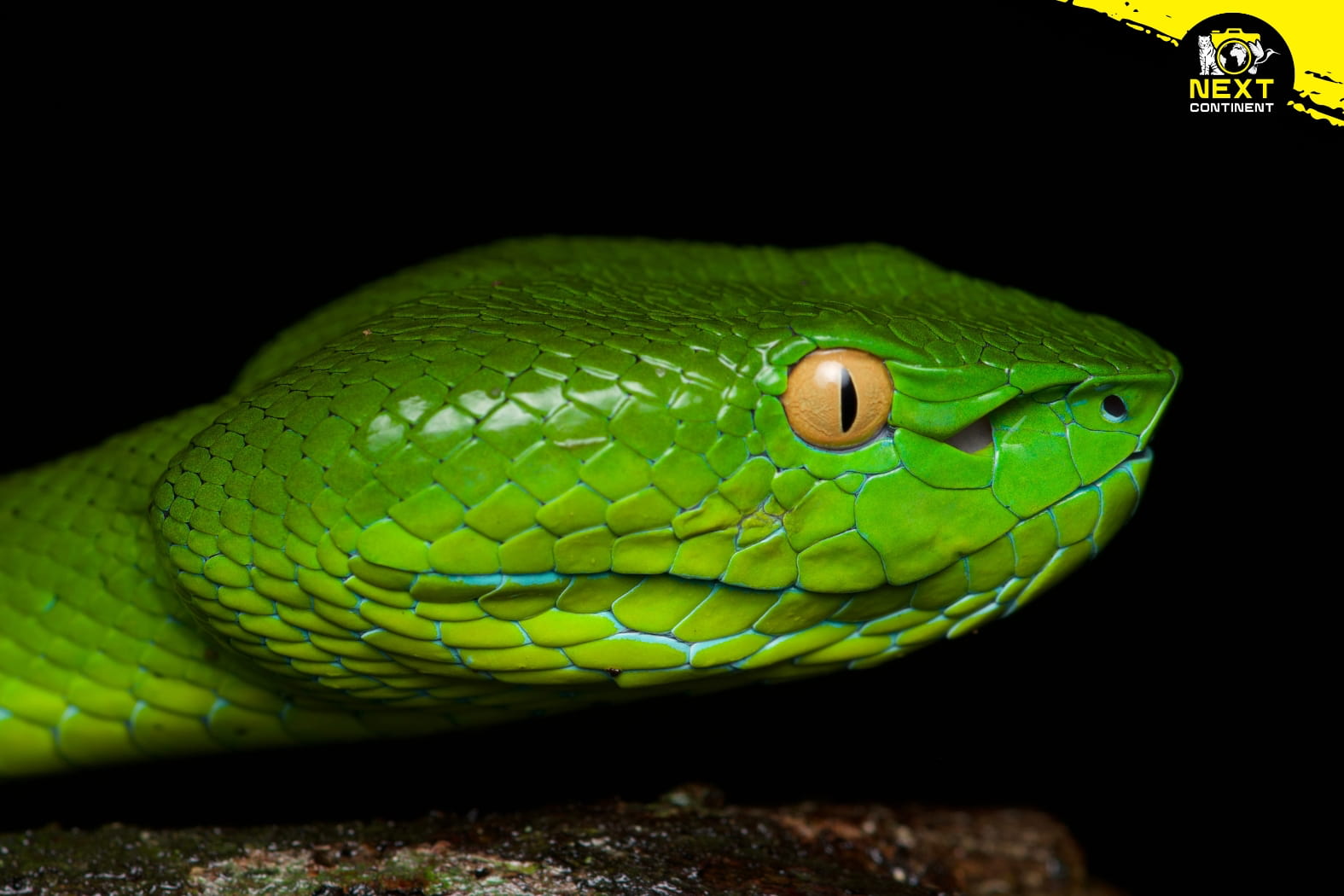
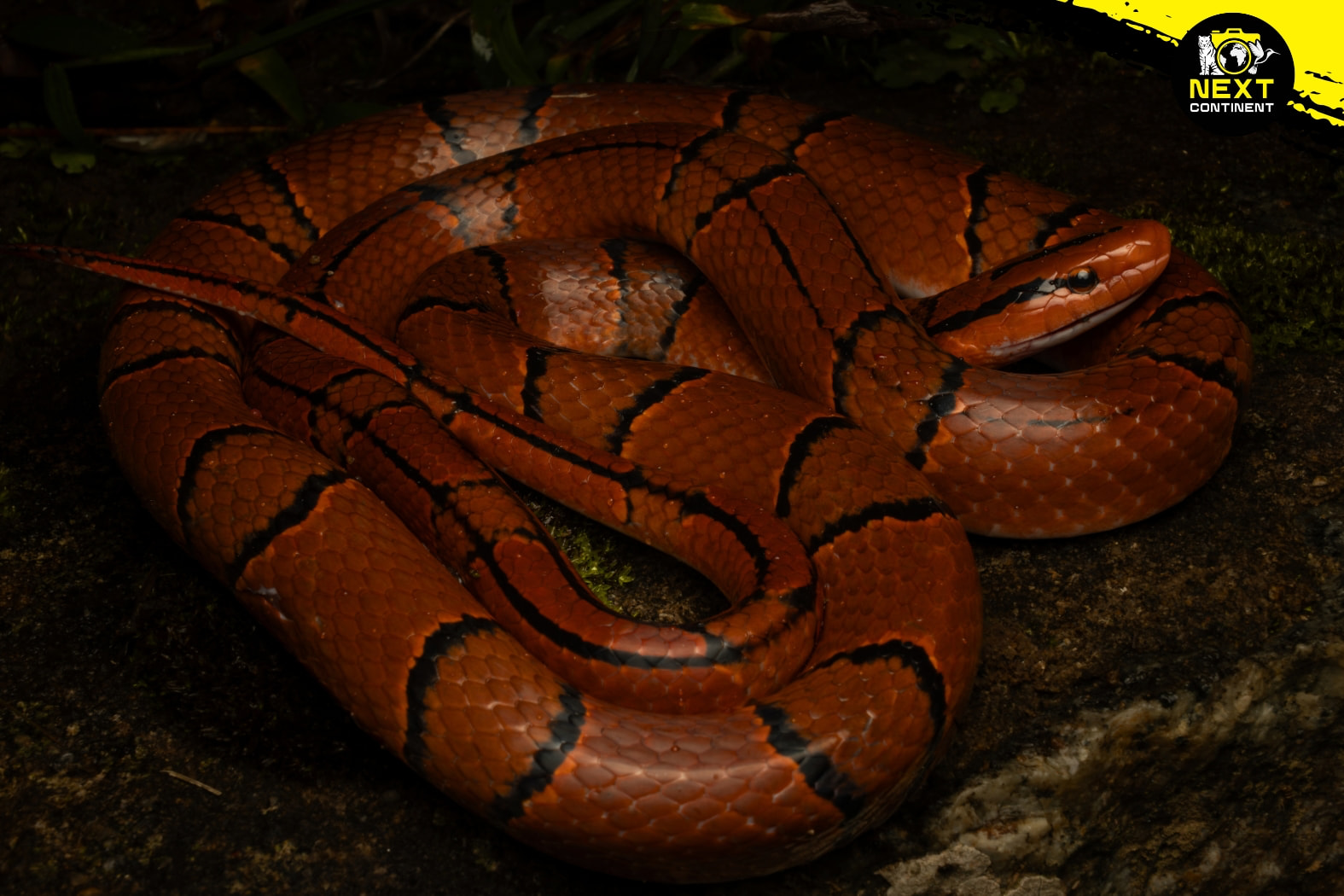
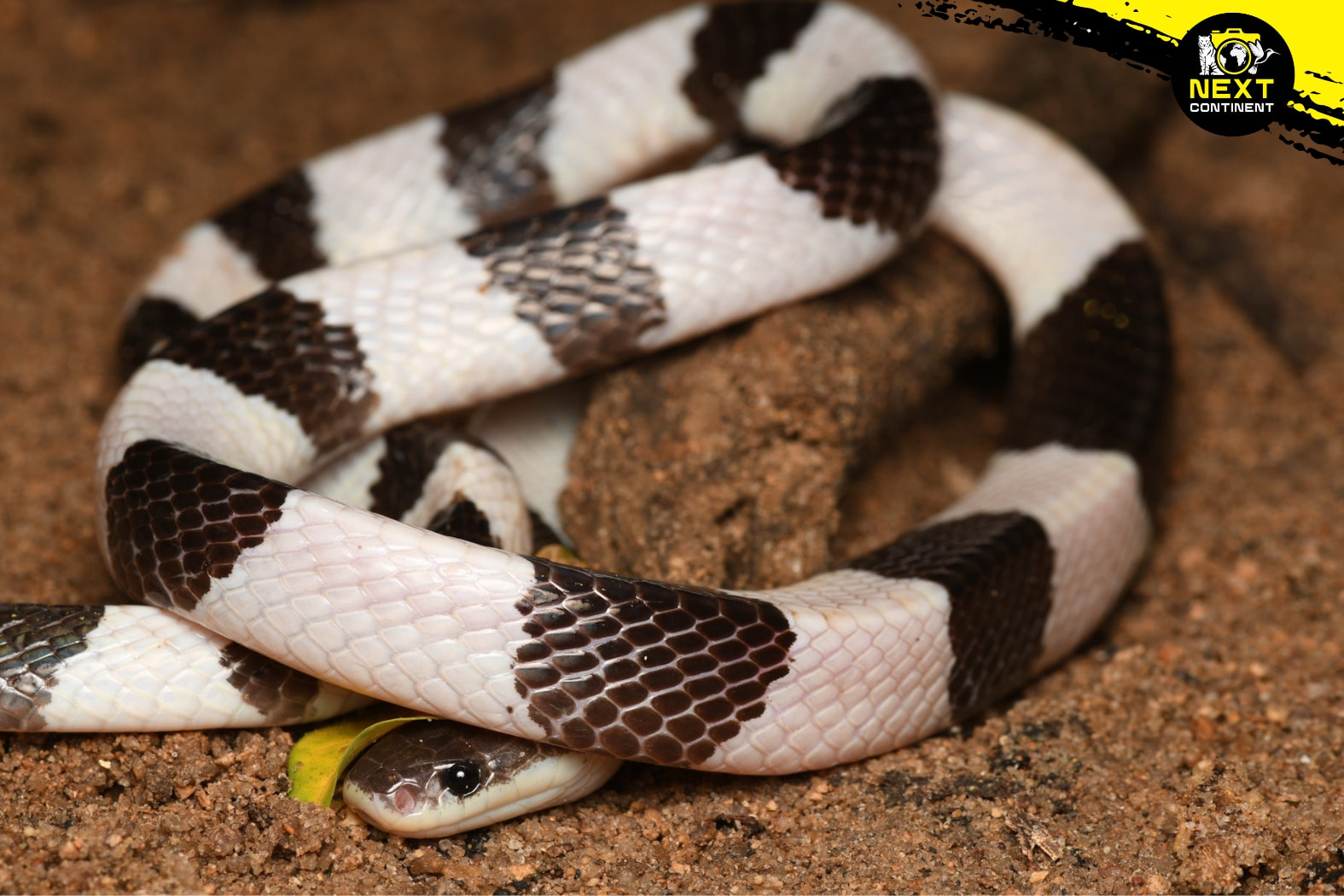
This is a dedicated small-group herping tour with a strong focus on maximising species diversity, high yield and field time. Over the course of the expedition, we target a wide range of snakes, frogs, geckos, and lizards, including species such as Malayan Pit Viper, Ruby-eyed Pit Viper, Banded Krait, Blue Krait, Reticulated Python, Burmese Python, Vogel’s Pit Viper, Tonkin Mountain Pit Viper, Red Bamboo Snake, and numerous endemic frogs and montane specialists.
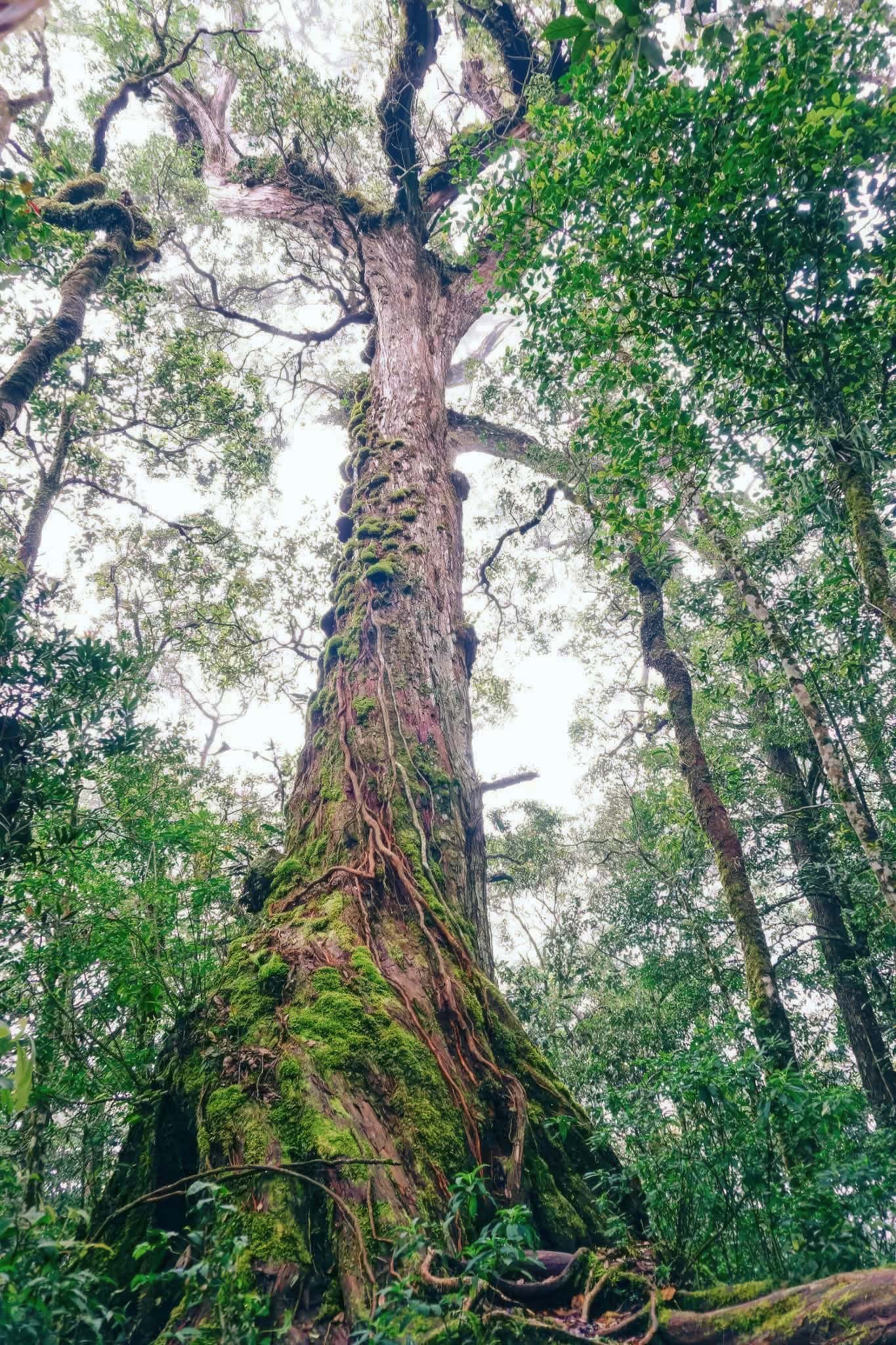
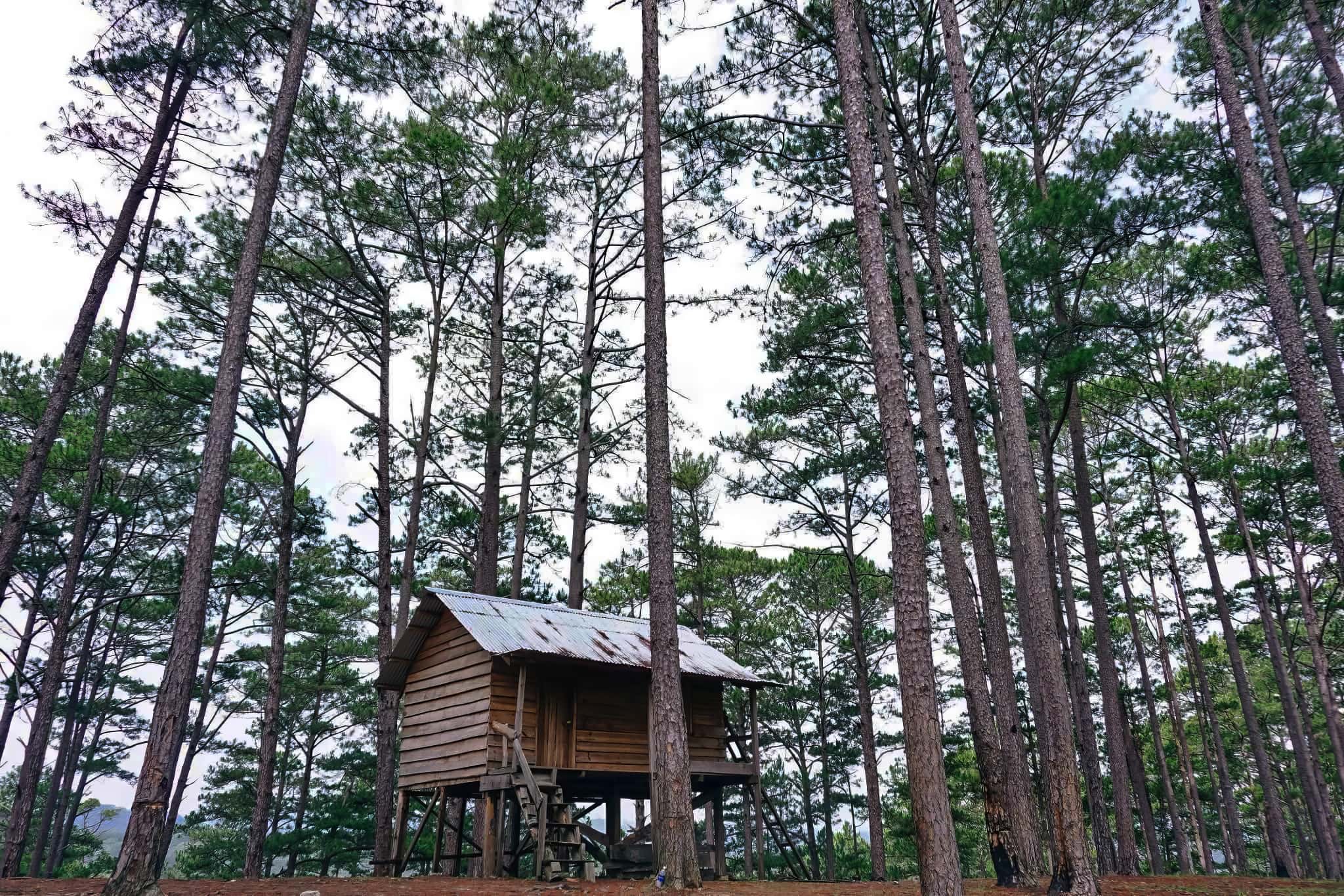
Major herping locations include Núi Dinh, Hồ Tràm, Thác Mai, Cát Tiên National Park, and Bidoup Núi Bà National Park. These sites provide access to a broad variety of habitats and species assemblages, ranging from lowland dipterocarp forest and seasonal wetlands to high-elevation moss forest in the Central Highlands.
The itinerary is heavily focused on night work, with most field sessions conducted after dark when reptile and amphibian activity is highest. Searching methods include slow road cruising, spotlighting vegetation and streams, trail walking, and working productive microhabitats for snakes, frogs, geckos, and nocturnal lizards. Daytime sessions are more relaxed and may include forest walks, photography, flipping and other habitat exploration.
One of the major strengths of this expedition is our local field network and up-to-date site knowledge. As a Vietnam-based operator running tours year-round, our team is in the field day-in and day out, working with park rangers, local researchers and more across the country. Recent sightings, productive areas, and seasonal activity are continuously monitored, allowing us to adapt our efforts and focus on the most active habitats and target species during your tour.
We also maintain strong relationships with national parks, conservation staff, and local authorities, allowing reliable access to key habitats throughout the expedition. This includes some of Vietnam’s most productive and well-known herping localities for both lowland and montane species.
Accommodation throughout the tour includes a mix of park lodging, hotels and eco-lodges located close to productive habitat. The itinerary is fully vehicle-supported and paced specifically around late-night field sessions and herping priorities.
Group size is strictly limited to ensure flexibility, minimal disturbance in the field, and maximum time on animals. Led by professional herpetology guides with extensive local knowledge, this expedition offers one of the most comprehensive dedicated herping itineraries currently available in Vietnam.
Itinerary
Day 1: Ho Chi Minh City > Núi Dinh (Vũng Tàu)
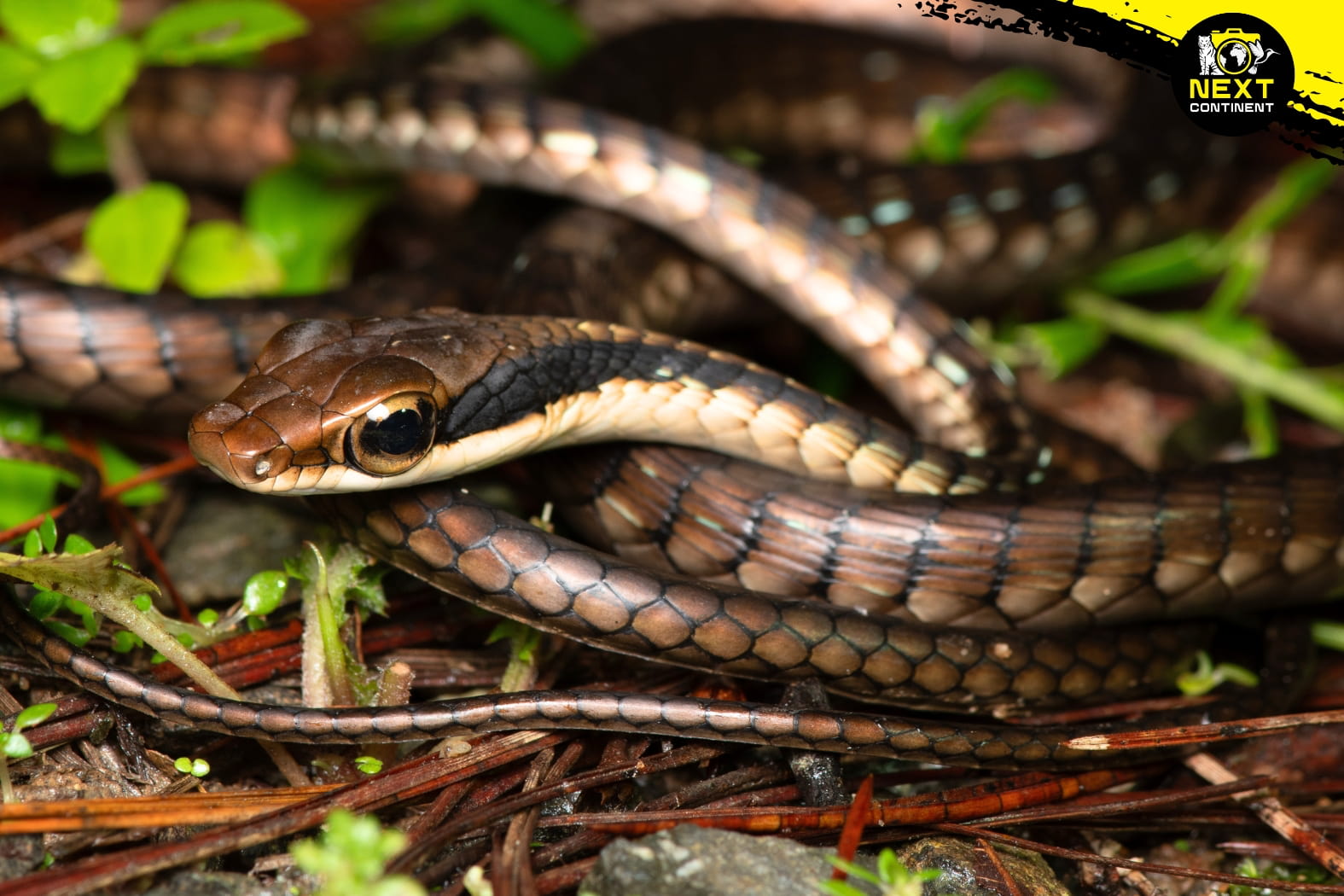
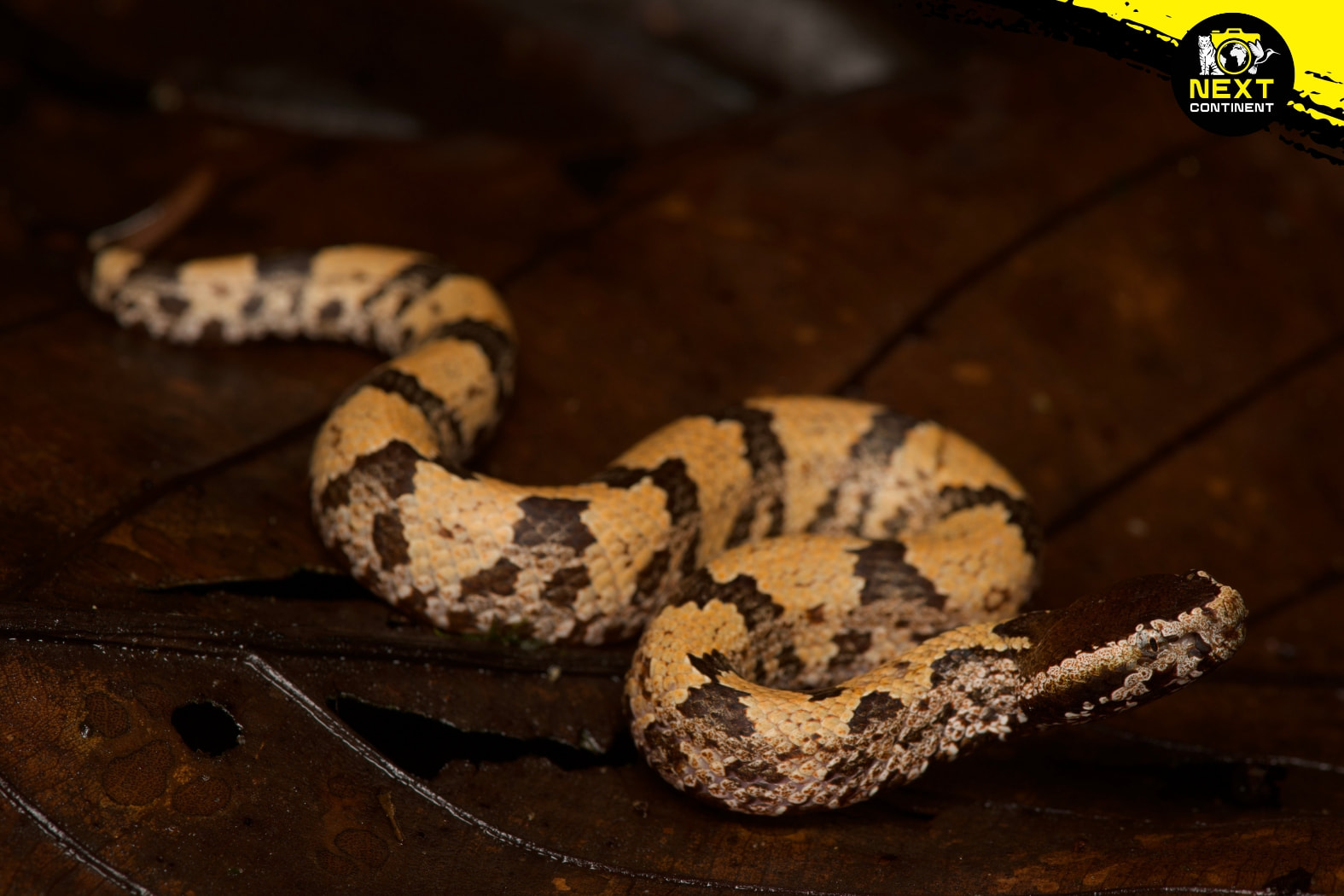
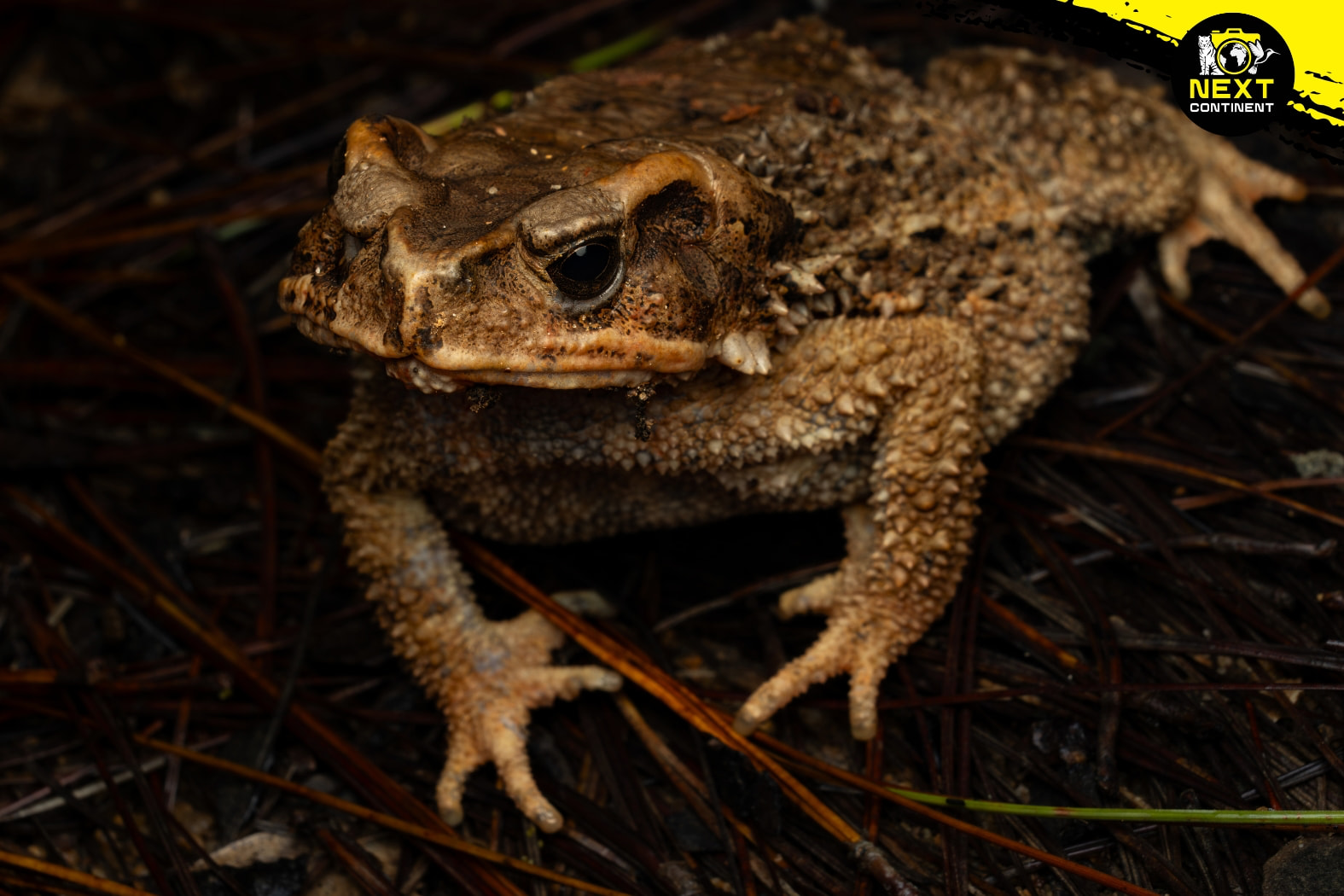
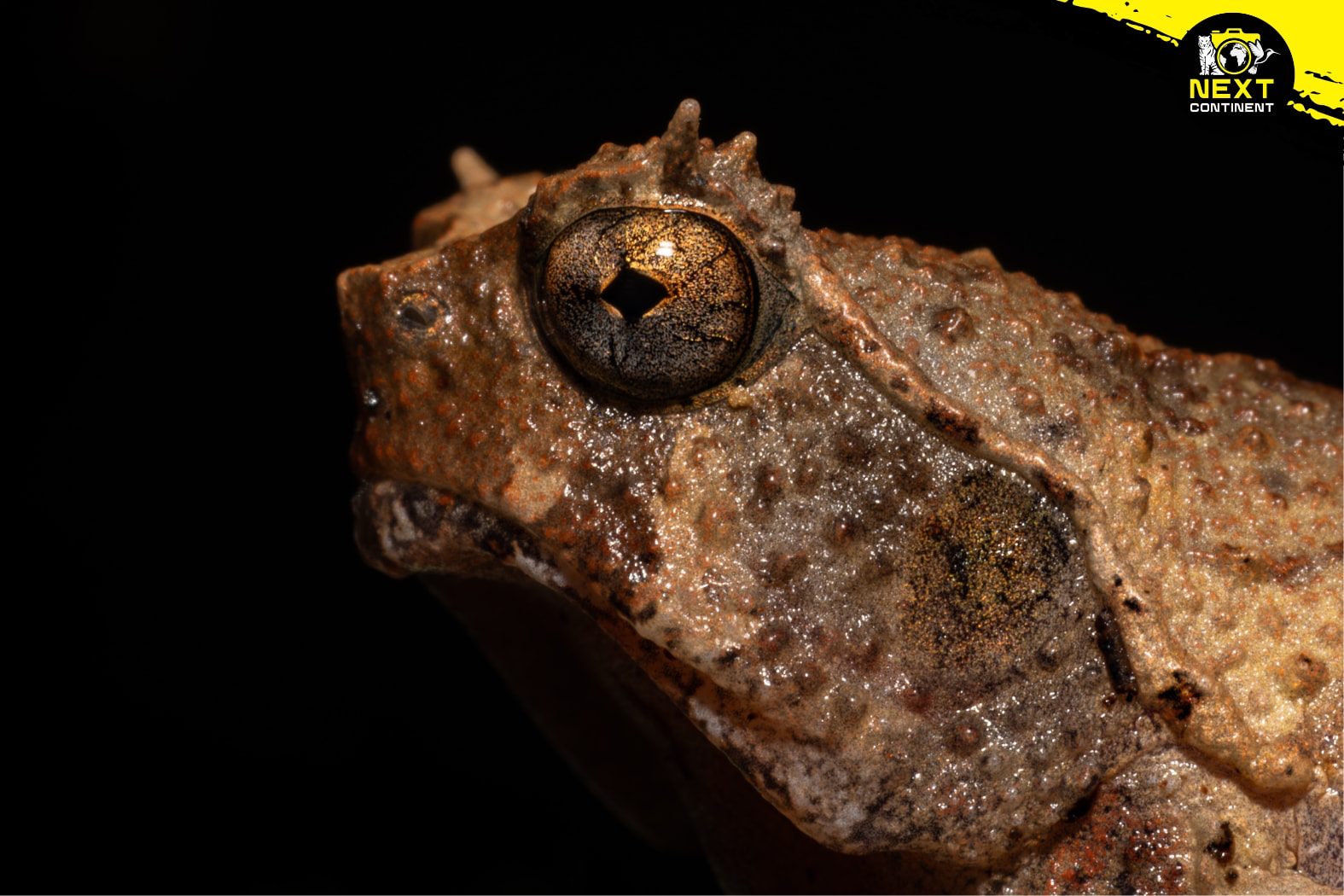
We’ll begin the expedition with a pick-up in Ho Chi Minh City after midday and make our way southeast toward Núi Dinh in Vũng Tàu, our first herping destination of the trip. After checking into our accommodation and settling in, we’ll enjoy an early dinner before heading straight into the field for our first night search. Tonight’s expedition takes us deep into the old-growth forests of Núi Dinh, one of southern Vietnam’s least-explored lowland forest habitats and an excellent location for some highly sought-after targets. Key targets for the night include the iconic Malayan Pit Viper, Deuve’s Kukri Snake, Ruby-eyed Pit Viper, Malayan Krait, Annam Wart Frog, Bony-headed Toad, as well as some of the common local targets such as Oriental Whipsnake, Siamese Red-necked Keelback, Common Mock Viper, Round-tongued Floating Frog, Burmese Squat Frog. After a full first night in the field, we’ll return to our accommodation near Núi Dinh for our overnight stay.
Day 2: Núi Dinh > Núi Minh Đạm > Hồ Tràm
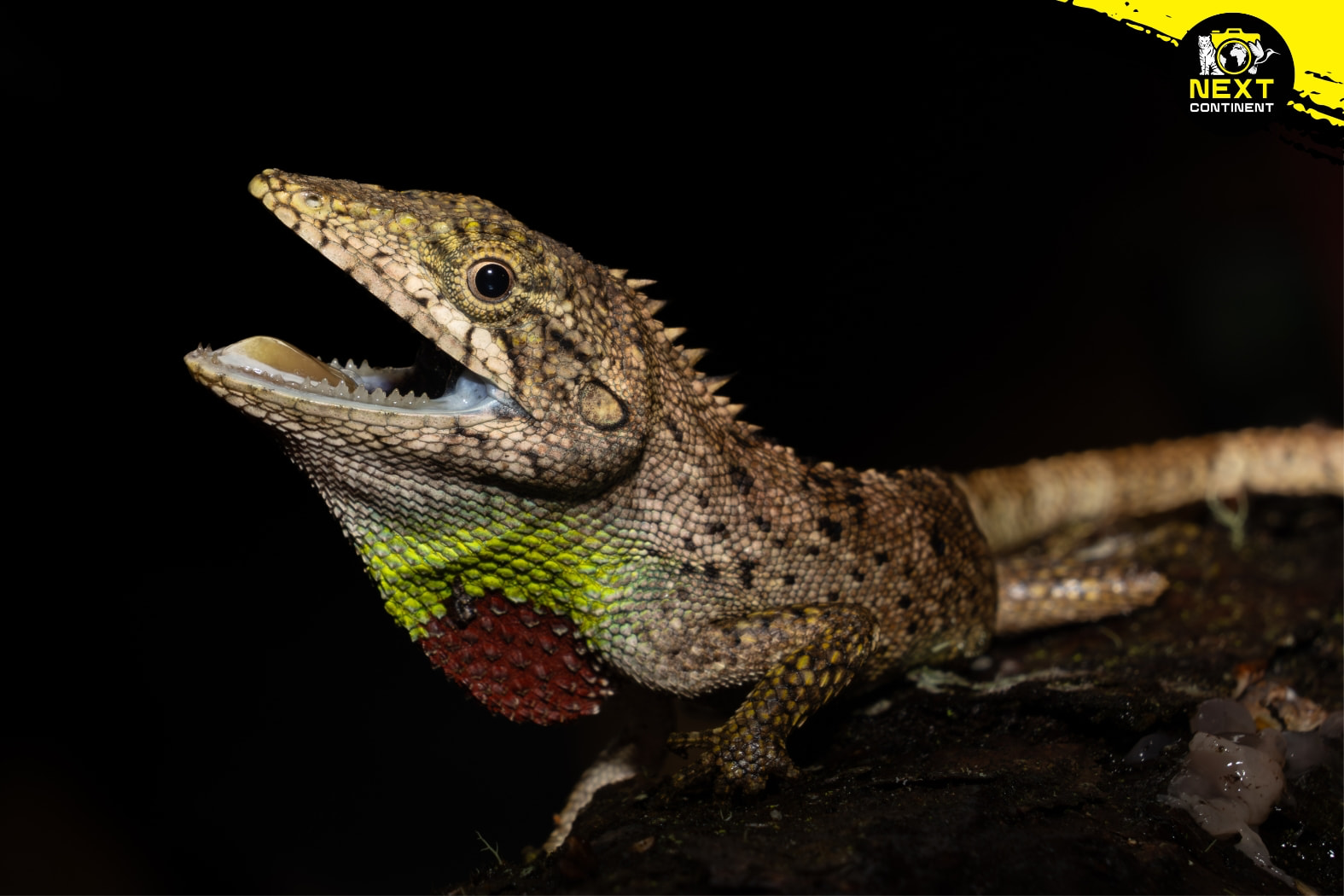
After breakfast, we’ll pack up and depart for Hồ Tràm. Along the way, we may make an optional stop at Núi Minh Đạm, where we’ll spend some time searching for diurnal skinks, dragons, snakes and other species. We’ll then continue to Hồ Tràm and check into our accommodation. After some time to rest and escape the afternoon heat, we’ll head back into the field following an early dinner for our second night of herping. Tonight offers excellent opportunities another shot at many of the species we targeted the night before, but with the advantage of a different location. Key targets include Malayan Pit Viper, Golden Tree Snake, Striped Kukri Snake and more Ruby-eyed Pit Viper and the Ngo Van Tri’s Lady Butterfly Lizard (in the afternoon). We will also target Asian Painted Frog, Painted Rice Frog, and we may encounter Nongkhor Asian Tree Frog, and some roosting Vietnamese Blue Crested Lizard and Oriental Garden Lizard. After another productive night session, we’ll return to our accommodation for some rest before continuing inland the following day.
Day 3: Hồ Tràm > Thác Mai
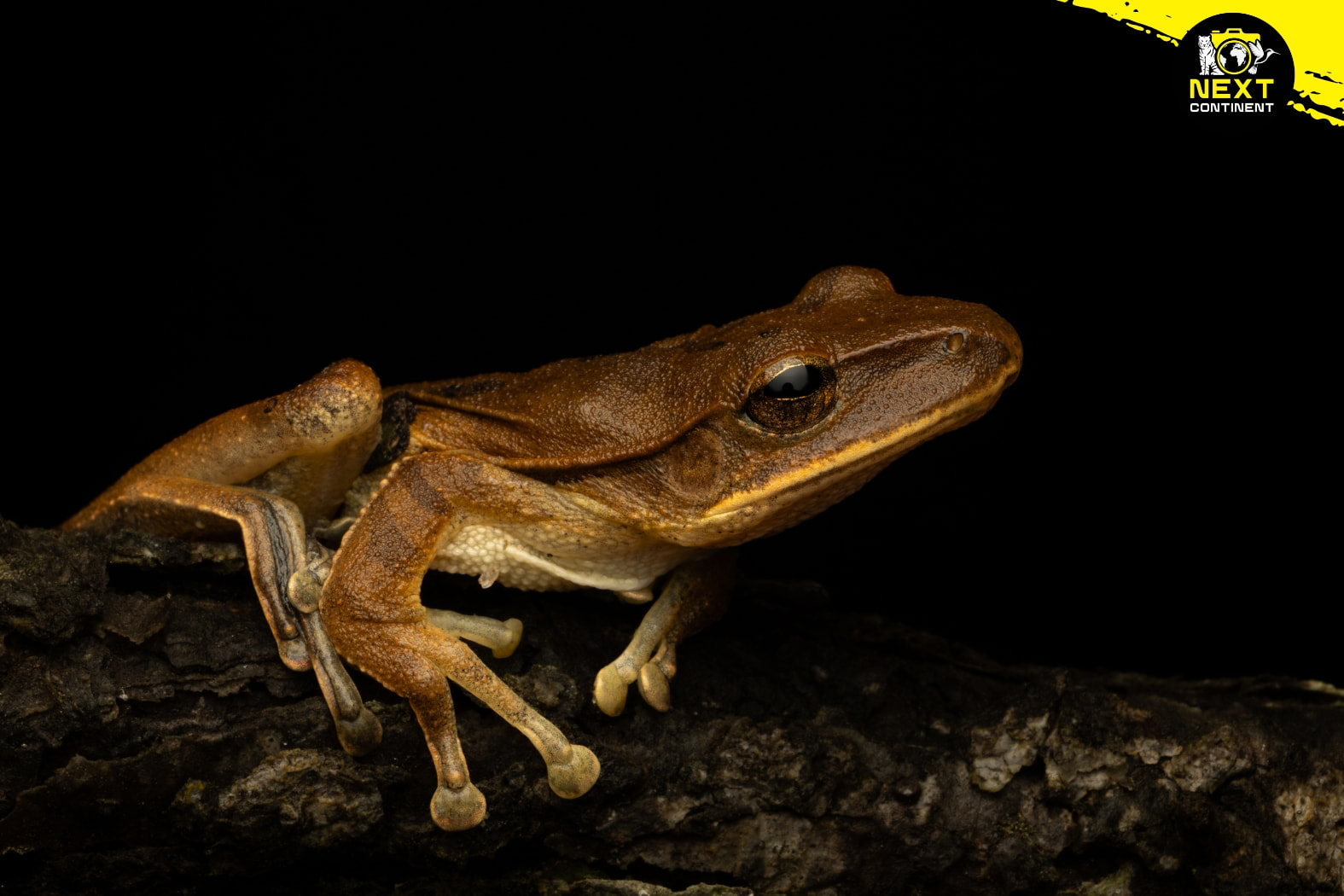
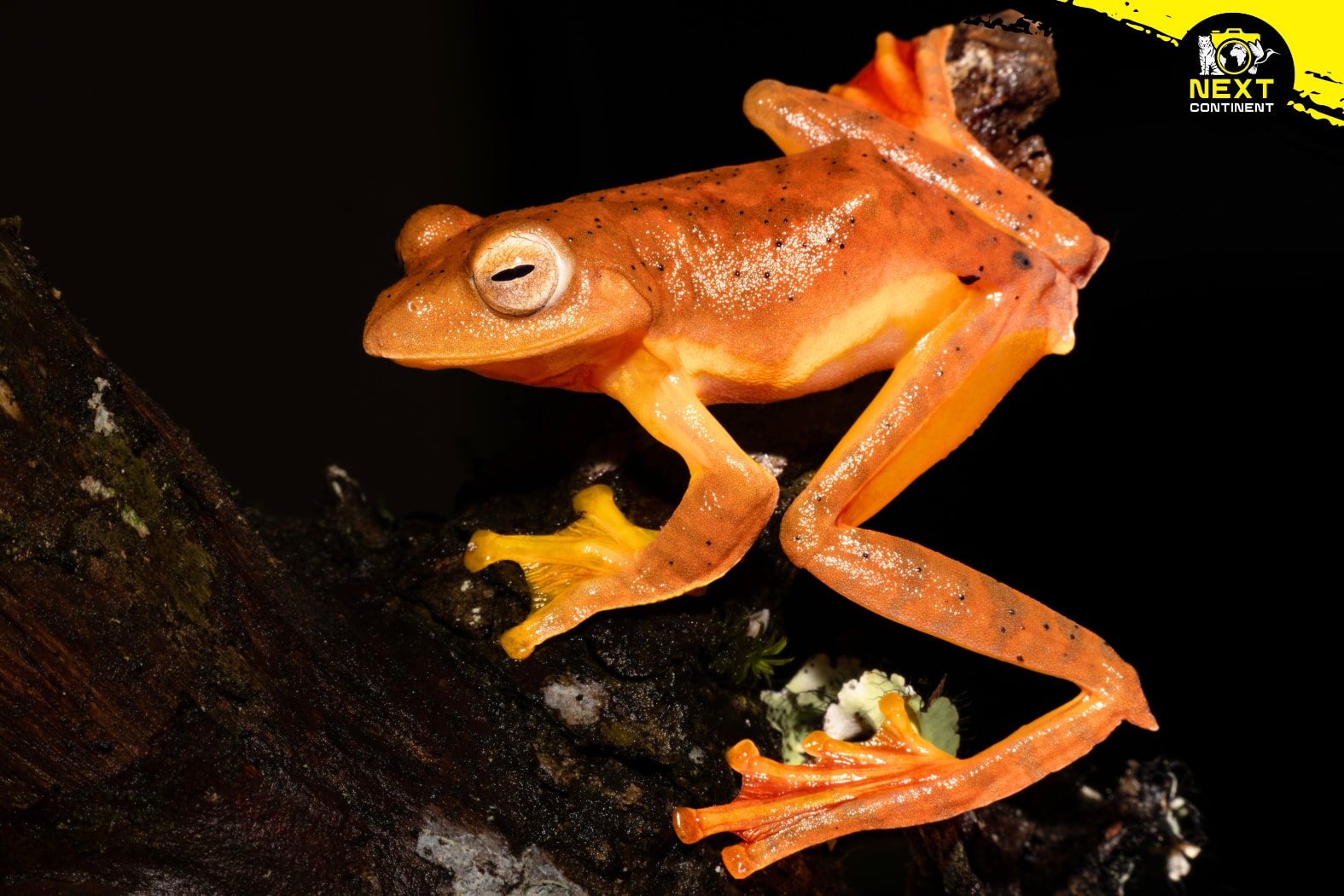
After breakfast, we’ll leave the coast behind and head inland toward Thác Mai around a three-hour drive away, a very different habitat known for excellent amphibian diversity and some highly desirable flying frogs. Following check-in and some downtime during the hotter part of the day, guests can self-explore the surroundings before we prepare for another extensive night session. Tonight’s focus is on some of southern Vietnam’s most exciting arboreal amphibians, especially Helen’s Flying Treefrog and Annam’s Flying Treefrog, both beautiful and highly photogenic species. We’ll also keep an eye out for Indochinese Wolf Snake, Laotian Wolf Snake, roosting Crowned Pricklenape, Striped Sticky Frog, Ma Da Paddy Frog, and additional chances for Ruby-eyed Pit Viper and various kraits. We’ll spend the night at our accommodation near Thác Mai.
Day 4: Thác Mai > Cát Tiên National Park
This morning we transfer to one of Vietnam’s most famous wildlife destinations: Cát Tiên National Park. Known for its exceptional biodiversity, Cát Tiên offers some of the best herping opportunities in the country, especially for snakes, geckos, and nocturnal forest specialists. After checking into park headquarters, we’ll rest through the afternoon before an early dinner and our first night session inside the park. Tonight we begin with trails around HQ and nearby forest roads, searching for species such as the highly reliable Cattien Bent-toed Gecko, Ruby-eyed Pit Viper, Berdmore’s Slug-eating Snake, Banded Krait, Blanford’s Bridle Snake, Vietnamese Bronzeback, Reticulated Python, Striped Sticky Frog, Vietnamese Bug-eyed Frog, Beautiful Pygmy Frog and many more. A few common targets around the headquarters also include Tokay Gecko, Siamese Red-necked Keelback, and Striped Kukri Snake.
Day 5: Cát Tiên National Park
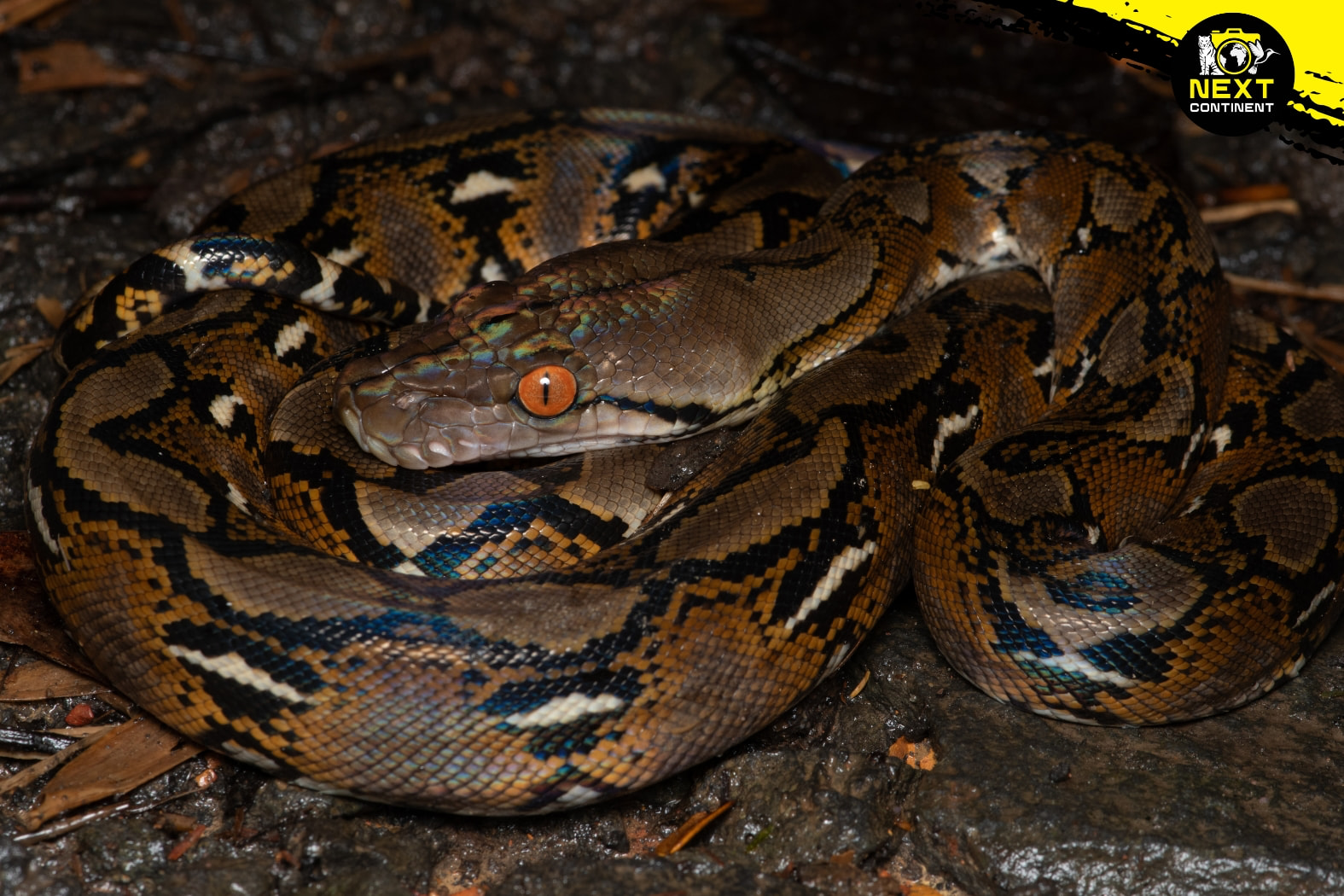
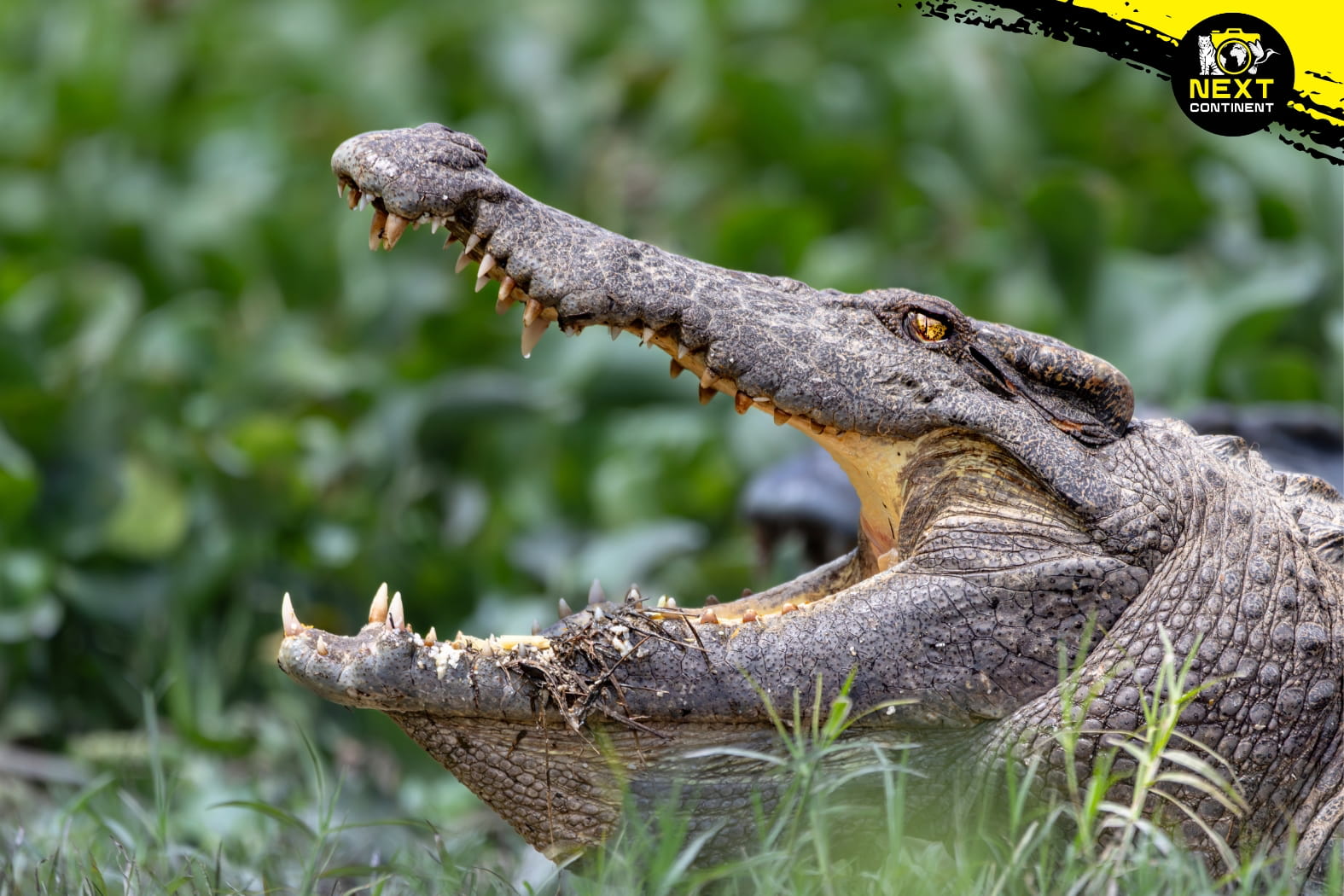
Today offers flexibility depending on everyone’s energy levels and target priorities. Guests may choose an optional early morning excursion to visit to Bàu Sấu (Crocodile Lake) for daytime wildlife and Siamese Crocodile, or simply a slower morning around headquarters with time to rest and enjoy the forest surroundings. A few diurnal targets include Vietnamese Blue Crested Lizard, Oriental Garden Lizard, Clouded Monitor, Spotted Forest Skink, Crowned Pricklenape, Bronze Grass Skink, Indochinese Flying Dragon, Elongated Tortoise, Olive Dasia and Common Mock Viper. After lunch and a break during the hottest hours, we’ll prepare for one of the most exciting nights of the trip. This evening we’ll head deeper into the forest toward Bàu Sấu (Crocodile Lake) and surrounding jeep tracks for late-night herping, focusing on some of the larger and more elusive species of the expedition. This is our best opportunity for Banded Krait, Blue Krait, Reticulated Python, Burmese Python and more encounters with Ruby-eyed Pit Viper and Cattien Bent-toed Gecko.
Day 6: Cát Tiên > Bidoup National Park
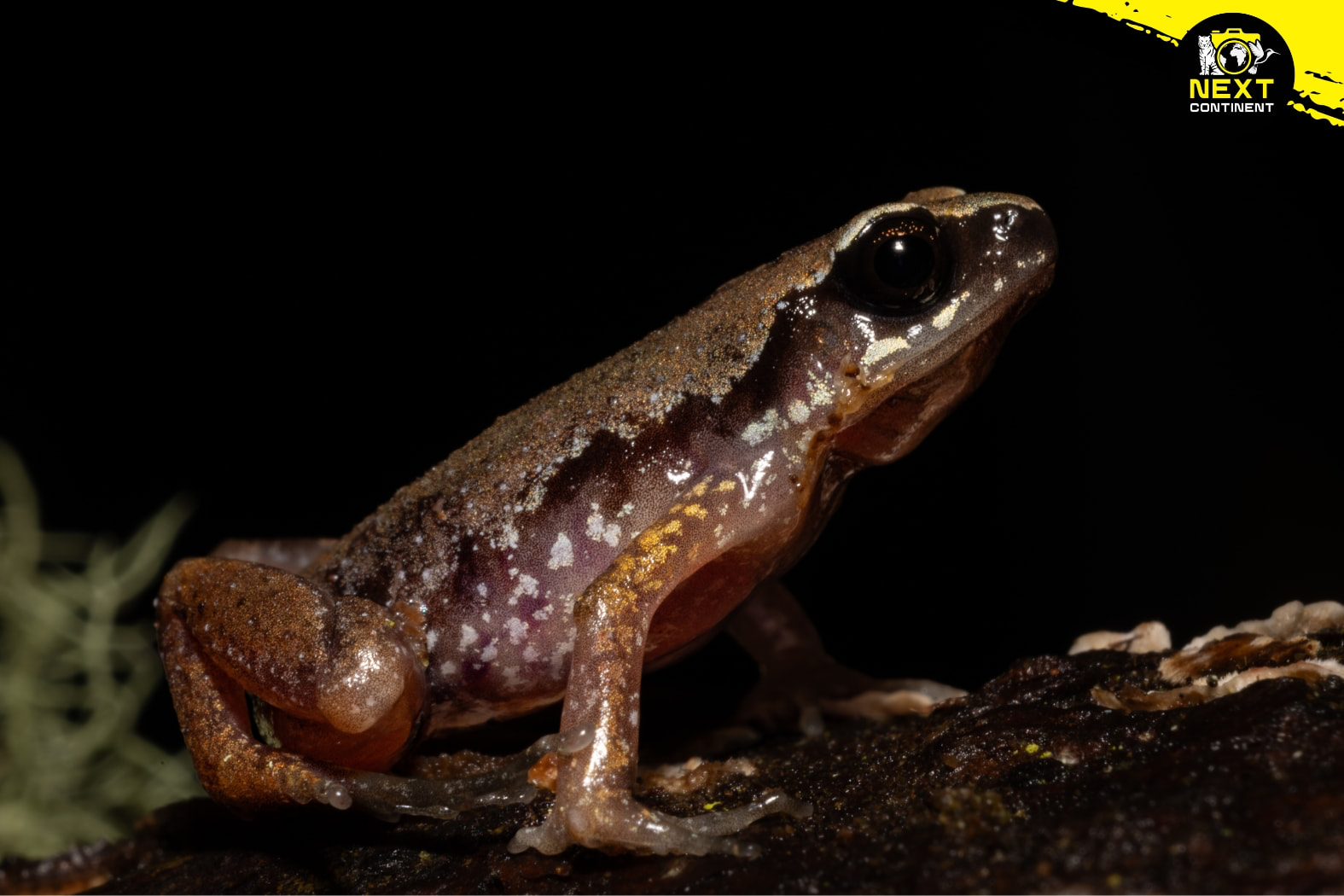
After breakfast, we leave the lowland forests behind and begin the scenic drive into the Central Highlands toward Bidoup Núi Bà National Park, one of Vietnam’s finest montane forests and an outstanding location for endemic amphibians and highland snakes. The shift in elevation brings an entirely new herping experience, cooler temperatures, mossy forest, and a completely different species list. We’ll stay inside the park for the next two nights, allowing full access to prime habitat after dark. Following dinner, we begin our first Bidoup night session with targets including Vampire Flying Treefrog, Vietnam Flying Treefrog, Vietnamese Jelly-nest Frog, Langbian Bubble-nest Frog, Taiwan’s Slug Snake and Vogel’s Pit Viper.
Day 7: Bidoup National Park
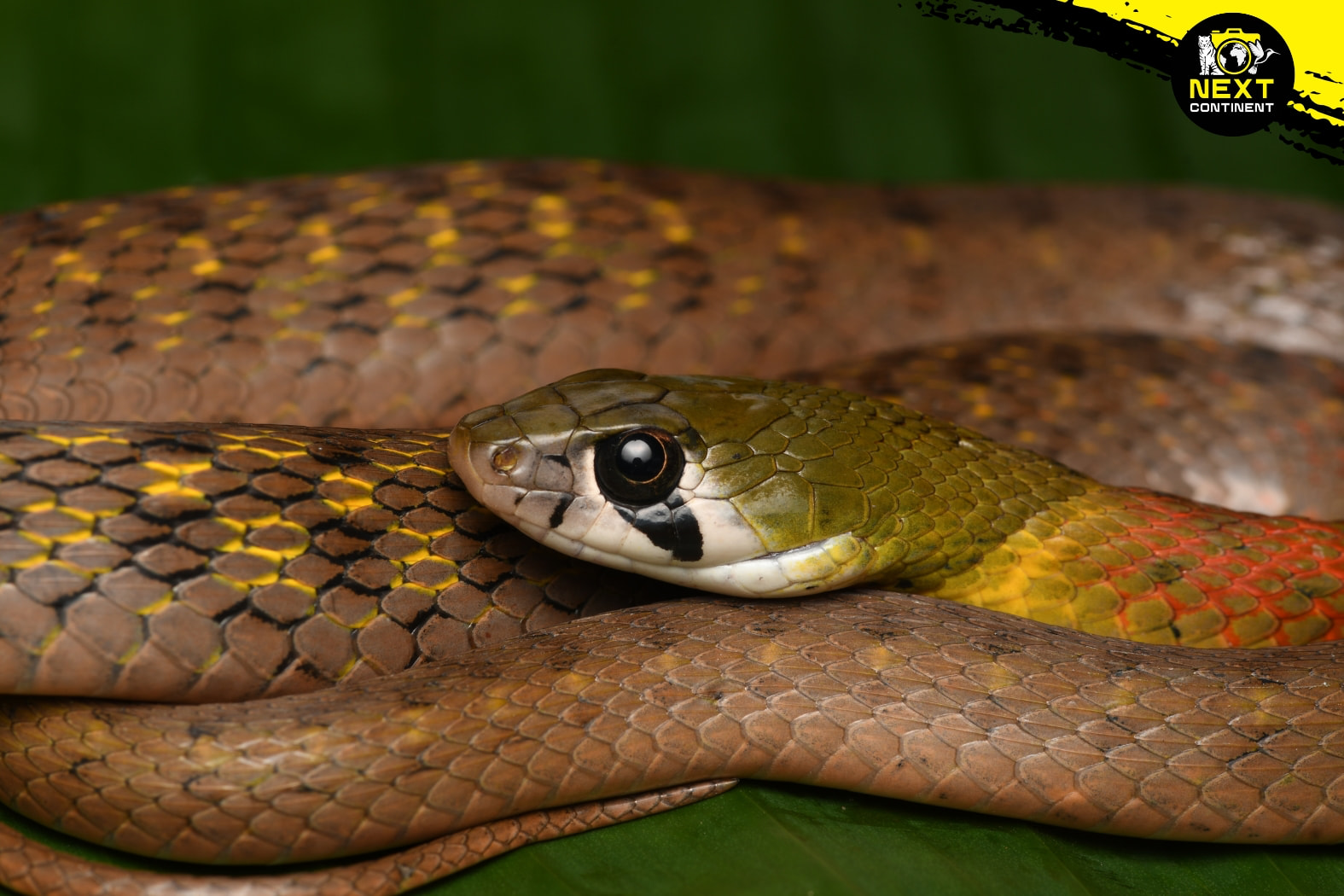
Today is dedicated entirely to exploring Bidoup. During daylight hours, guests may self-explore nearby trails or join optional hikes to areas such as Thác Thiên Thai and surrounding forest routes, depending on ranger access and local conditions. The daytime here is excellent for photography, habitat exploration, and simply enjoying one of Vietnam’s most beautiful mountain forests. After dinner, we head back into the field for our second and final Bidoup night session, giving us our best chances for the park’s most special species: Bidoup Litter Toad, White-eyed Spadefoot Toad, Vietnam Spadefoot Toad, Belly-spotted Frog, Taiwan’s Slug Snake, Truong’s Wolf Snake, Red Bamboo Snake, and potentially even the elusive Tonkin Mountain Pit Viper.
Day 8: Bidoup > Đà Lạt / Nha Trang / Ho Chi Minh City
After breakfast, we’ll enjoy a relaxed final morning in the park before beginning our departure transfers. Our standard drop-off point is Đà Lạt City, making it the default end point of the expedition. However, if you have other onward travel plans, we’re happy to help arrange alternative drop-off options, including transfer to Nha Trang Airport for domestic connections or return travel toward Ho Chi Minh City.
Main Targets & Highlights
The following is a selection of key target species and other highlights that we regularly search for during our tours across the regions featured in the itinerary. While we hope to encounter as many of these species as possible, sightings can never be guaranteed and we certainly do not expect to see everything. In total, there are approximately 280 possible herp species recorded from the areas covered on this tour.
- Malayan Pit Viper (Calloselasma rhodostoma)
- Brown-spotted Pit Viper (Protobothrops mucrosquamatus)
- Tonkin Pit Viper (Ovophis cf. tonkinensis)
- Southern White-lipped Pit Viper (Trimeresurus albolabris fario)
- Ruby-eyed Pit Viper (Trimeresurus rubeus)
- Vogel’s Pit Viper (Trimeresurus vogeli)
- Berdmore’s Slug-eating Snake (Pareas berdmorei unicolor)
- Taiwan Slug Snake (Pareas formosensis)
- Blue Krait (Bungarus candidus)
- Banded Krait (Bungarus cf. fasciatus)
- Siamese Spitting Cobra (Naja siamensis)
- Monocled Cobra (Naja cf. kaouthia)
- Big-eyed False Cobra (Pseudoxenodon macrops)
- Coral Snake (Sinomicrurus peinani)
- Coral Snake (Sinomicrurus annularis)
- Spotted Coral Snake (Calliophis maculiceps)
- Laotian Wolf Snake (Lycodon laoensis)
- Blanford’s Bridal Snake (Lycodon davisonii)
- Indochinese Banded Wolf Snake (Lycodon neomaculatus)
- Truong’s Wolf Snake (Lycodon truongi)
- Siamese Cat Snake (Boiga siamensis)
- Many-spotted Cat Snake (Boiga multomaculata)
- Jasper Cat Snake (Boiga jaspidea)
- Guangxi Cat Snake (Boiga guangxiensis)
- Green Cat Snake (Boiga cyanea)
- Striped Kukri Snake (Oligodon tuani)
- Deuve’s Kukri Snake (Oligodon deuvei)
- Annam Kukri Snake (Oligodon annamensis)
- Tuan’s Kukri Snake (Oligodon tuani)
- Long-snouted Kukri Snake (Oligodon rostralis)
- Red Bamboo Snake (Oreocryptophis porphyraceus)
- Boulenger’s Keelback (Hebius cf. boulengeri)
- Dalat Reed Snake (Calamaria buchi)
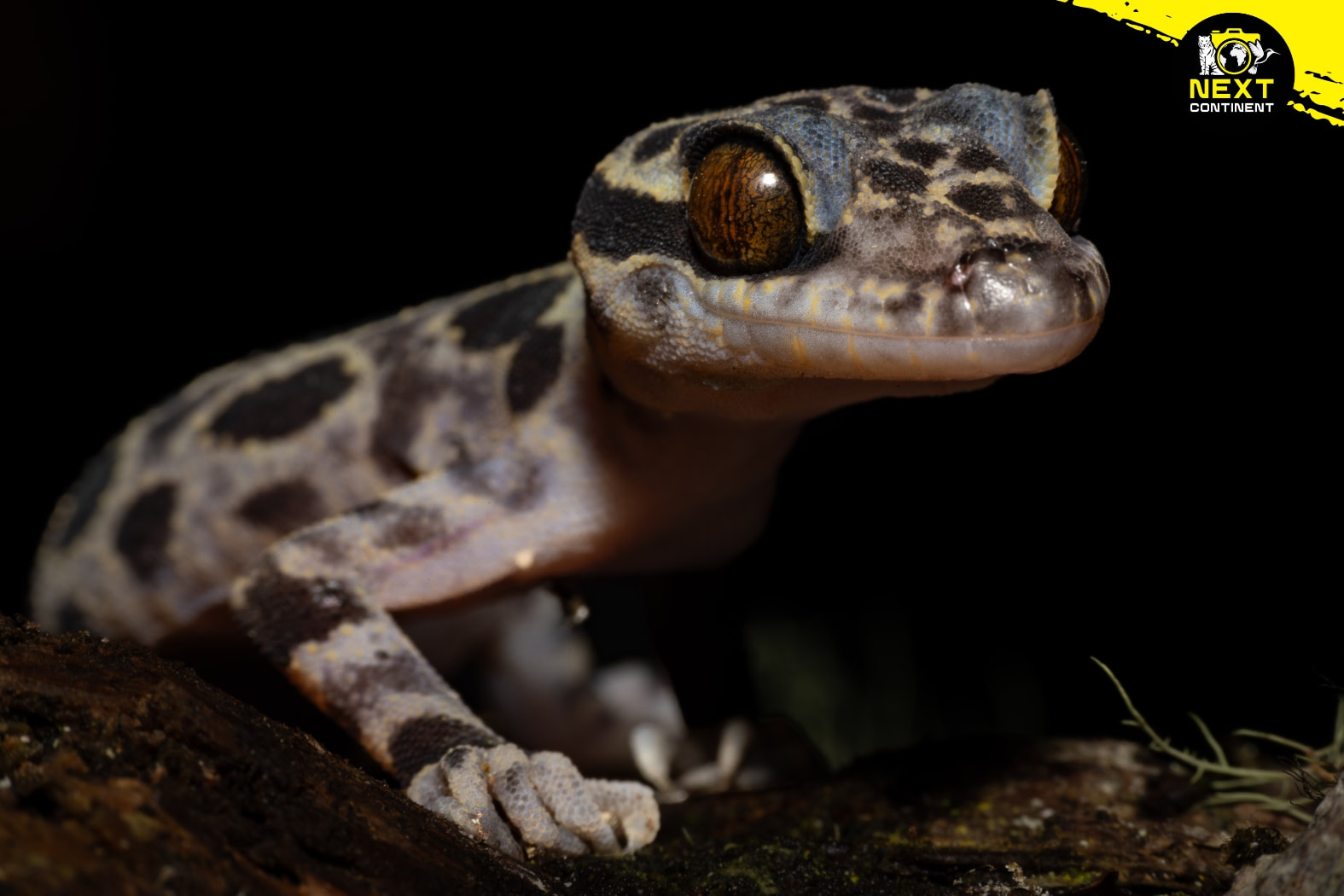
- Cattien Bent-toed Gecko (Cyrtodactylus cattienensis)
- Bidoup Bent-toed Gecko (Cyrtodactylus bidoupmontis)
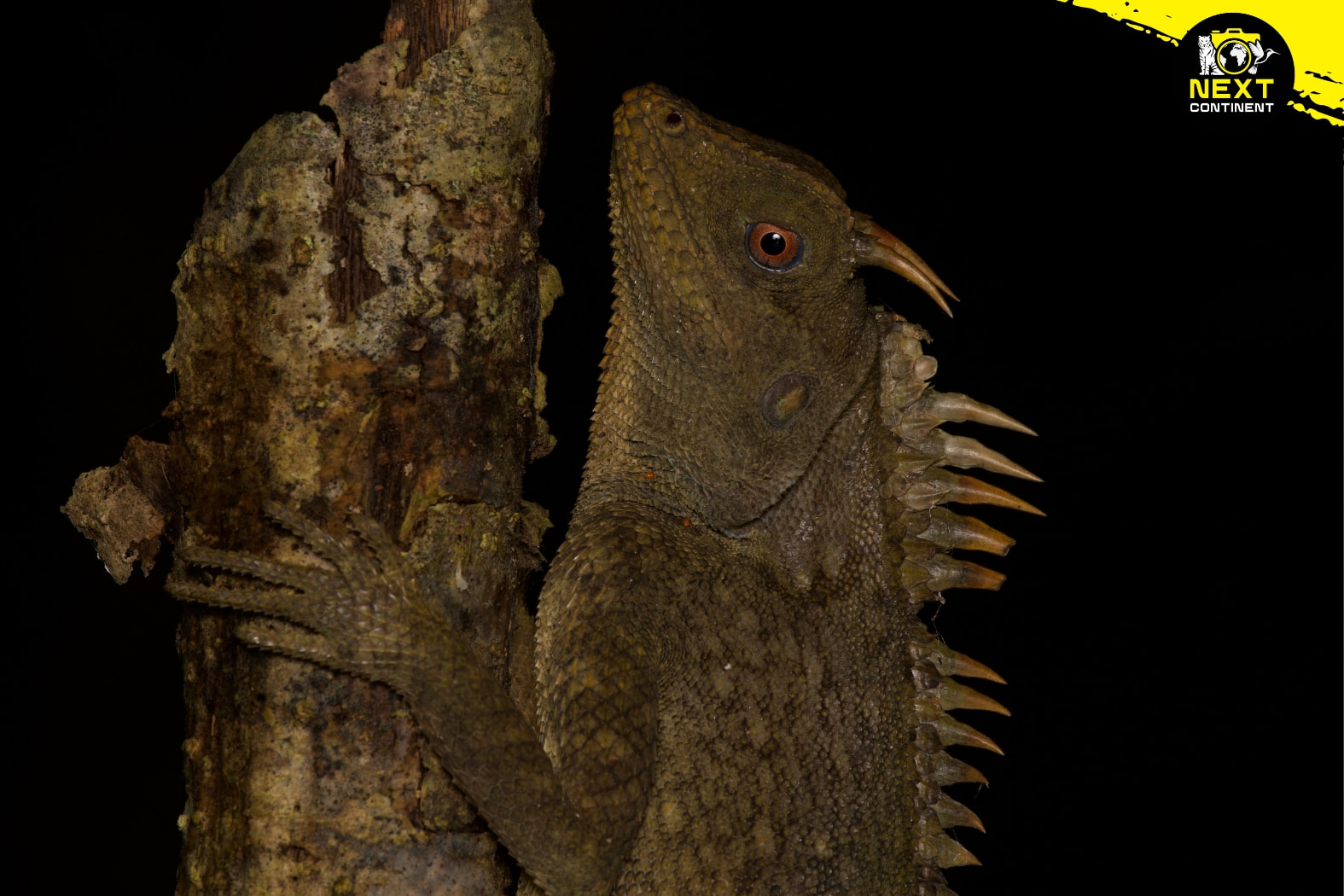
- Brown Pricklenape (Acanthosaura coronata)
- Green Pricklenape (Acanthosaura nataliae)
- Tokay Gecko (Gekko gecko)
- Clouded Monitor (Varanus nebulosus)
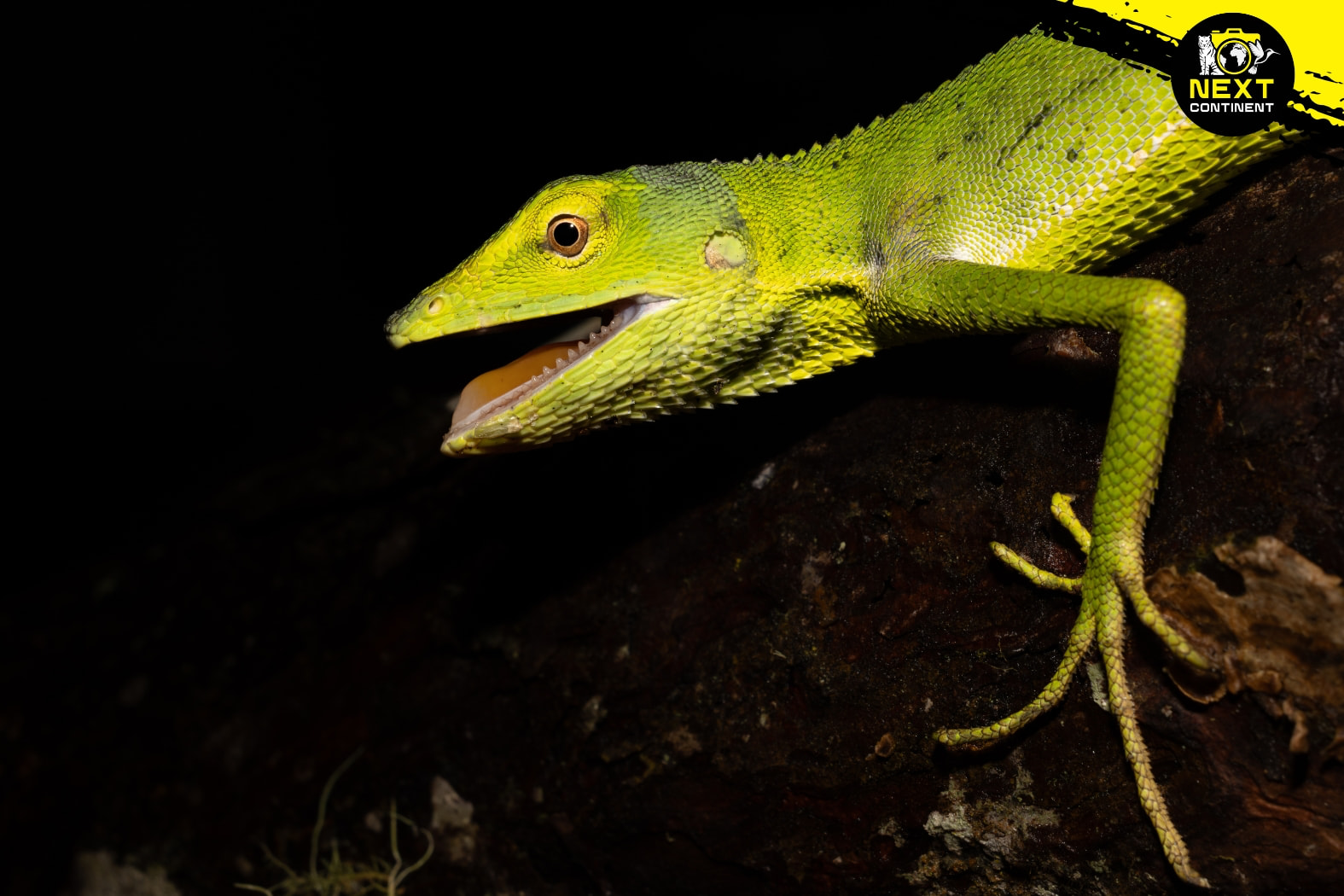
- Forest Lizard (Bronchocela smaragdina)
- Forest Lizard (Bronchocela vietnamensis)
- Siamese Crocodile (Crocodylus siamensis)
- Helen’s Flying Treefrog (Rhacophorus helenae)
- Vampire Flying Treefrog (Vampyrus vampyrus)
- Vietnam Spadefoot Toad (Leptobrachium pullum)
- White-eyed Spadefoot Toad (Leptobrachium leucops)
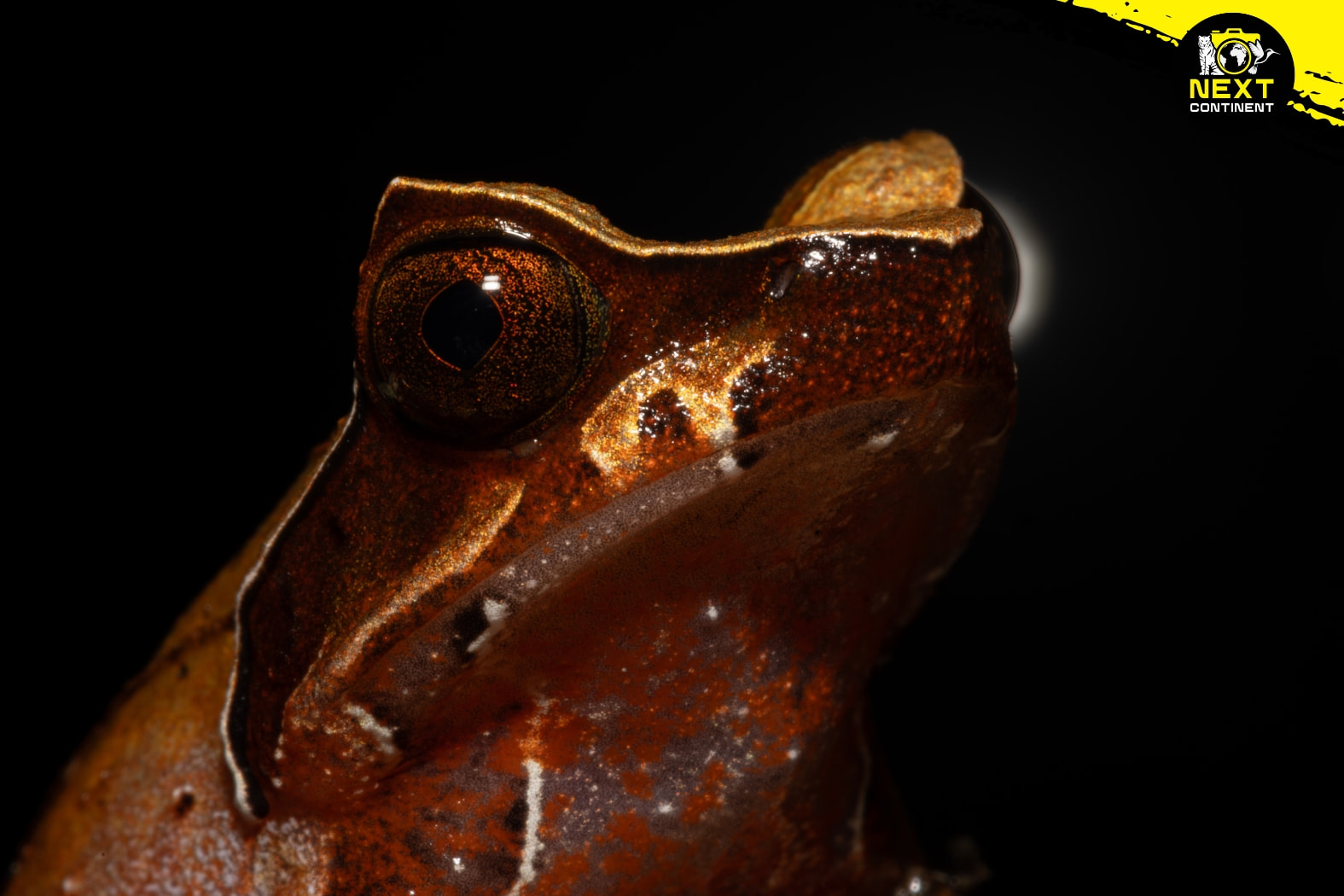
- Truong Son’s Horned Toad (Xenophrys truongsonensis)
- Mountain Frog (Ophryophryne sp.)
- Annam Flying Treefrog (Rhacophorus annamensis)
- Koh Tao Caecilian (Ichthyophis kohtaoensis)
- Vietnamese Bug-eyed Frog (Theloderma vietnamense)
- Vietnamese Bubble Frog (Feihyla palpebralis)
Other Wildlife Highlights
While this tour is heavily focused on herping, we’ll still encounter plenty of other wildlife along the way, including birds, primates/mammals and invertebrates. Our team is experienced across all major wildlife groups and will happily point out interesting sightings where appropriate, though the priority throughout the tour will remain firmly on herping and maximising reptile and amphibian diversity.
Tour Pace
This tour is designed around extensive nocturnal fieldwork, with most herping taking place after dark when reptiles and amphibians are at their most active. Nights can often run quite late depending on weather conditions and activity levels, particularly after rain. During the day, we may target diurnal species, explore new habitat, or relocate between sites, though afternoons are often kept flexible for resting and recovery before evening sessions.
Most walking is done along roads, forest trails, and streams at a relaxed pace, but guests should still be prepared for humid tropical conditions, uneven terrain, and long hours in the field. As always, we’ll adapt the pace and focus of the tour to suit the group, weather conditions, and current herping opportunities.
Group Size
Small group sizes make a huge difference on herping tours. Many of our targets are secretive, easily disturbed, or only active for short periods in the right conditions, so a quieter and more flexible group gives us the best chance of quality encounters and photography opportunities. That’s why we limit this tour from 3-6 participants, with two experienced guides allowing us to cover more habitat and maximise species diversity throughout the trip.
Climate & Weather Conditions
This tour runs during July and August, coinciding with the wet season across southern Vietnam and one of the most productive periods for herping activity. Warm temperatures, regular rainfall, and high humidity create excellent conditions for amphibians, reptiles, and other nocturnal wildlife, particularly during evening excursions following rain.
- Cat Tien National Park: Typically hot, humid, and wet, with daytime temperatures generally ranging between 28–34°C (82–93°F). Afternoon or evening rain showers are common, often creating highly active conditions for frogs, snakes, geckos, and other nocturnal herpetofauna. Nights remain warm and humid in the forest.
- Da Lat: Cooler and more temperate due to elevation, with daytime temperatures usually between 18–25°C (64–77°F). Mist, cloud, and regular rainfall are common, particularly in the evenings and overnight. Night walks can become quite cool, especially in exposed montane forest areas.
Because this tour combines both lowland tropical forest and cooler montane habitats, guests should be prepared for a wide range of conditions. Expect warm, humid nights in the lowlands and significantly cooler temperatures in the highlands, particularly during nocturnal excursions. Lightweight breathable clothing, reliable rain protection, quick-dry footwear, and warm layers for evenings in Da Lat are all strongly recommended.
Tour Inclusions
- Professional Herpetology Guide (2x guides if full group)
- Private Vehicle & Driver throughout tour in comfortable 16-seater van
- All Accommodation
- All specialist equipment (spotlights, hooks, etc)
- All entrance tickets and permits
- Meals (B, L, D)
- Non-alcoholic beverages throughout the day
- Water bottles
- Comprehensive insurance coverage available
- First aid and a COVID-safe environment
Photography Opportunites & Notes
This tour is purposefully to support guests in capturing portfolio-level herp photography. Our team is there to support those working extensive equipment set up for both standards lenses and more specialist macro set ups. It is worth noting that many of the species encountered during the tour can often be observed and photographed at close range under controlled and respectful field conditions.
We actively encourage guests to bring dedicated photographic equipment, and the pace of the tour allows time for careful observation, composition, and repeat photographic opportunities whenever possible. Night walks and targeted herping sessions are conducted with photography in mind, balancing ethical wildlife viewing with opportunities to capture high-quality images in natural settings. Our guides are experienced in assisting photographers in the field and understand the importance of positioning, lighting, and minimising disturbance to wildlife.
For gear, we generally recommend a strong macro setup for smaller subjects, alongside a versatile mid-range or short telephoto lens for larger reptiles, environmental compositions, and documentary-style images. External flashes, diffusers, LED lighting, and reliable headlamps are all highly encouraged, particularly for nocturnal photography. Guests interested in more advanced setups or techniques are welcome to contact us before the tour, we’re always happy to provide advice on equipment, field techniques, and preparing for tropical herp photography in Vietnam.

Tour Extension Options
Over the years, many guests have expressed interest in extending their trip either before or after the main tour in search of additional target species. We currently offer extension opportunities on request, tailored to custom experiences or specific wildlife interests. Please get in touch for more information. Popular extension options include northern Vietnam and the Central Highlands, Hon Son Island, Cat Ba Island and more.
Tailor Your Experience
Looking to enhance your experience? Whether it’s adding an extra day, making an additional stop, arranging pick-up from a distant location, hiring a camera, or combining your tour with another one of our amazing experiences, we’ve got you covered. Get in touch today, and let our experts craft a private, customised itinerary with dates and prices tailored to your needs
Still have questions? Get in touch with us directly
- info@nextcontinent.travel
- Phone / WhatsApp / Zalo: (+84) 328 955 019
- Frequently Asked Questions